Wildlife Conservation Society Canada, University of Saskatchewan, and First Nation of Na-Cho Nyäk Dun research on stressors affecting freshwater ecosystems across central Yukon using benthic macroinvertebrates
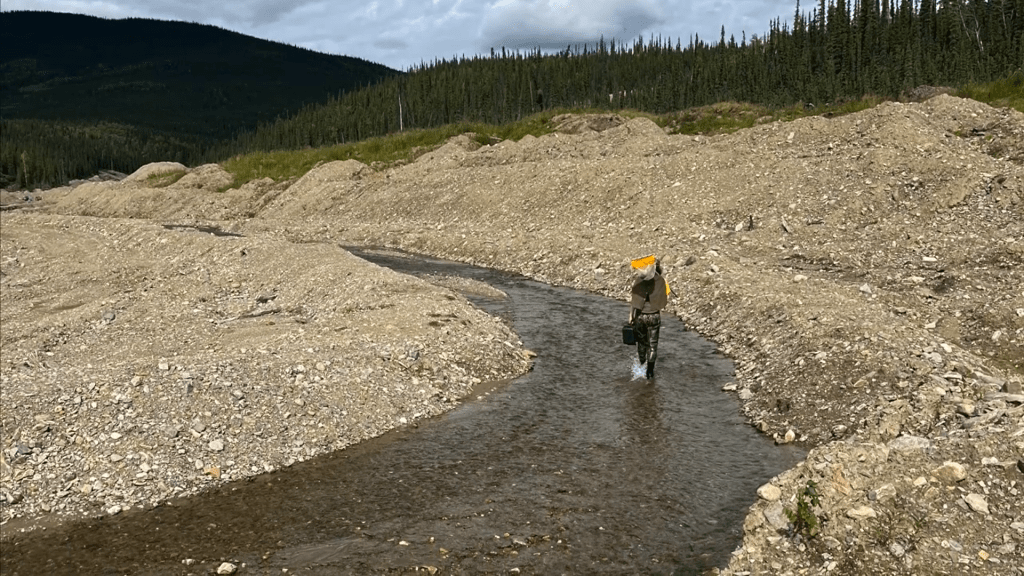
Wes Moir (WCS Canada Weston Fellow and MSc student at the University of Saskatchewan) is studying how multiple stressors are affecting freshwater ecosystems across central Yukon Territory using benthic macroinvertebrates (“water bugs”). Benthic macroinvertebrates are excellent monitoring tools because they are diverse, abundant, easy to collect, and are sensitive to different types of stress. In collaboration with the First Nation of Na-Cho Nyäk Dun, Wes will use benthic macroinvertebrates and their traits (e.g., feeding preference, breathing type, movement style etc.) as diagnostic tools to track how different types of stress, including placer mining, shape aquatic ecosystems. This research aims to improve management decision-making, support regional land use planning, and contribute to the First Nation of Na-Cho Nyäk Dun’s long-term water monitoring strategy.
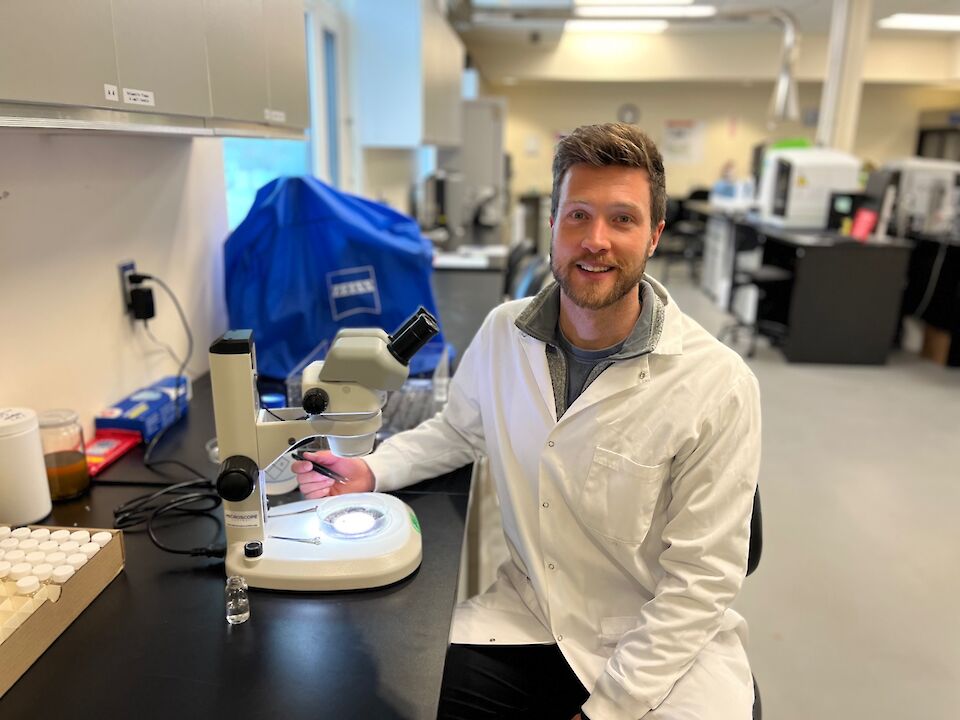
Wes’s work may reveal useful tools for stream restoration practitioners throughout the Yukon River drainage, to contribute towards the goal of improving freshwater habitat for Pacific salmon. Listen to more information about Wes’s work in the YouTube video below.
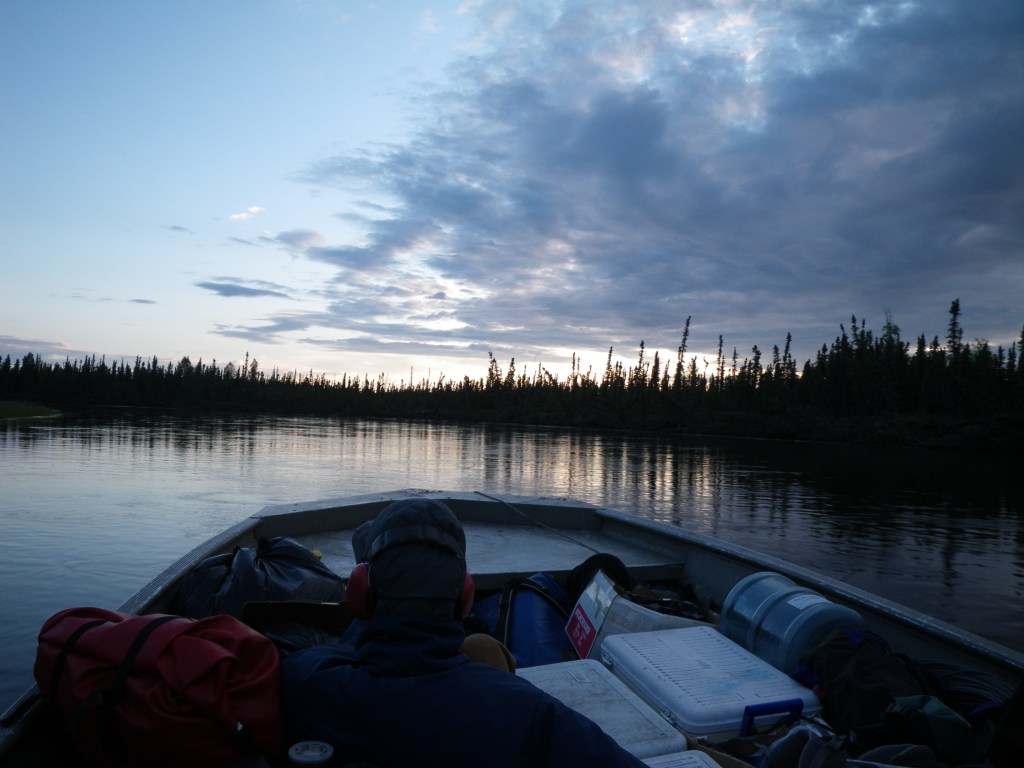
Interested in other Yukon River salmon projects involving WCS Canada? Check out this research examining Chinook salmon otoliths
 Arctic Beringia Fish Ecology