
Arctic Beringia Fish Ecology
This is the home for fisheries ecology activities of the Alaska-based Wildlife Conservation Society (WCS) Arctic Beringia Program.
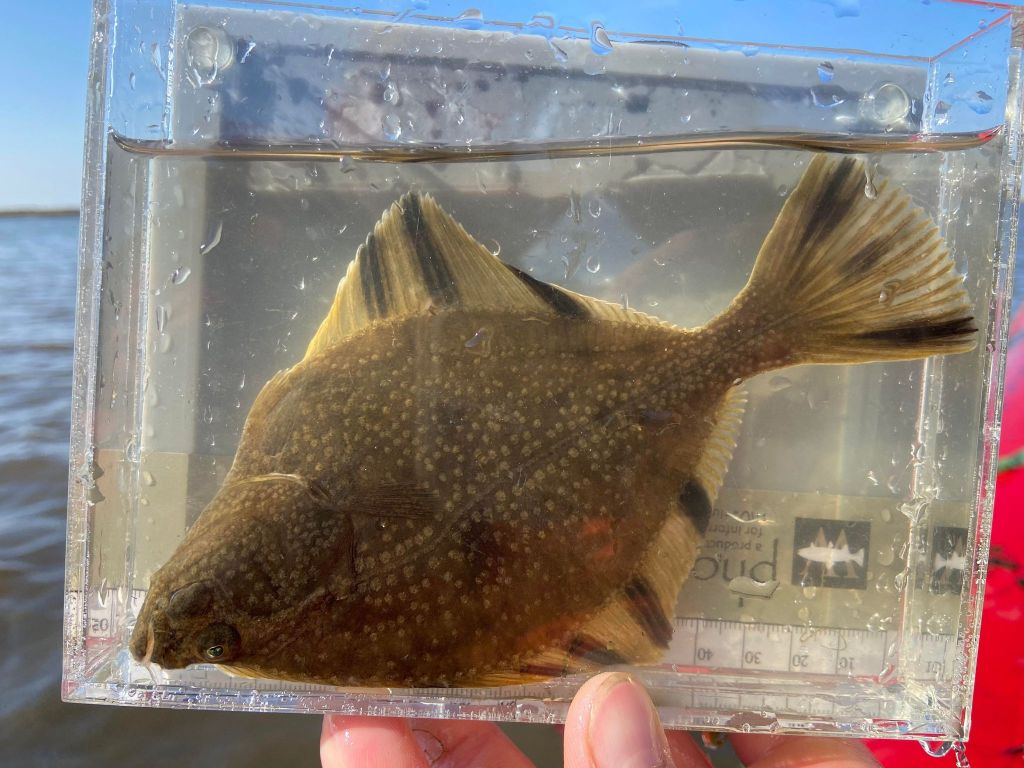
Our largest/longest-running project is a Northwest Alaska coastal lagoons fisheries monitoring and research program in partnership with the National Park Service and the Native Village of Kotzebue Environmental Program. Read more about the activities and status of this project here.
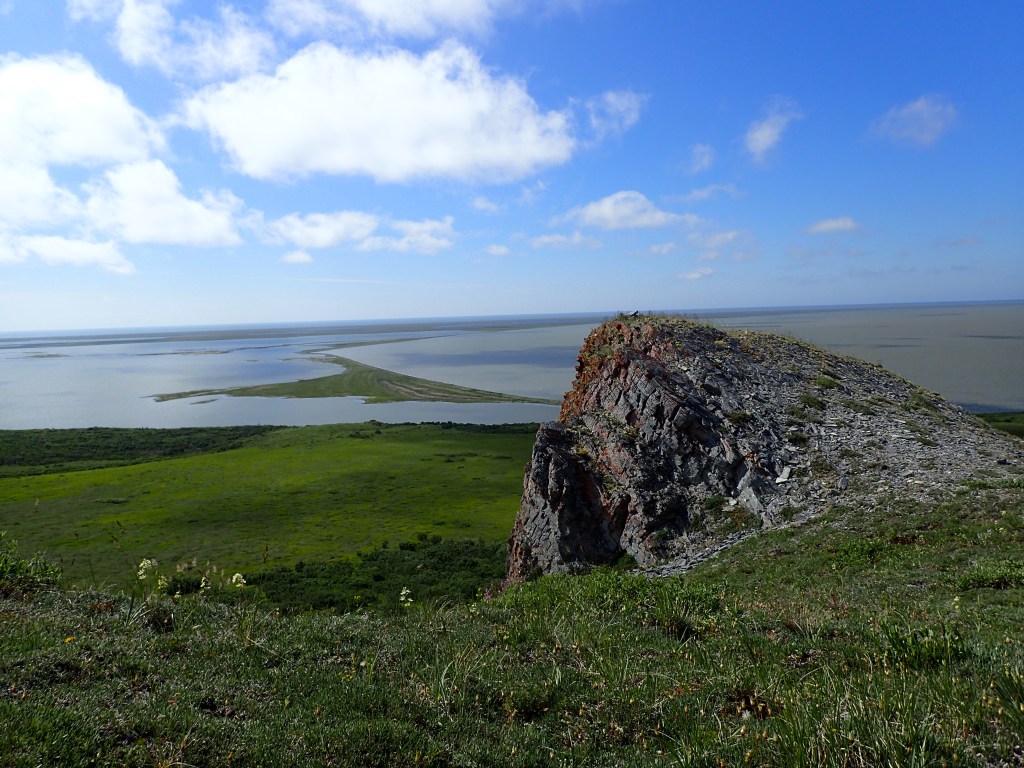
The Arctic Beringia region hosts vast intact tundra landscapes and seascapes with robust assemblages of free-ranging native species such as walrus and caribou, supports vibrant mixed economies for Indigenous communities, and is valued by diverse stakeholders across the globe. We use the best available science and Indigenous knowledge, along with expertise in trans-boundary policy, to work with diverse communities, indigenous groups, agencies and other partners to understand and protect wild places and wildlife, including their role in local food security. Beringia lies at the juncture of the eastern and western hemispheres, encompassing an area of tundra and shallow marine shelf areas that extend from the Kolyma River in the Chukotka region of the Russian Federation, across Alaska, and as far as Victoria Island in the Nunavut Region of Arctic Canada.
Wildlife Conservation Society (WCS)
The Wildlife Conservation Society is a New York not-for-profit corporation founded by statute in 1895 as the New York Zoological Society. WCS saves wildlife and wild places worldwide through research, science, conservation action, education, and inspiring people to value nature. That mission is achieved through our global conservation programs (WCS currently oversees a portfolio of more than 500 conservation projects in 65 countries in Asia, Africa, Latin America, and North America, and the oceans between them) and through the management of the world’s largest system of urban wildlife parks–the Bronx Zoo; the New York Aquarium; and the Central Park, Queens, and Prospect Park Zoos (the City Zoos)
Questions or comments? Email us at kfraley@wcs.org!
 Arctic Beringia Fish Ecology