WCS Arctic Beringia: Supporting Yukon River salmon restoration for the benefit of ecosystems and communities
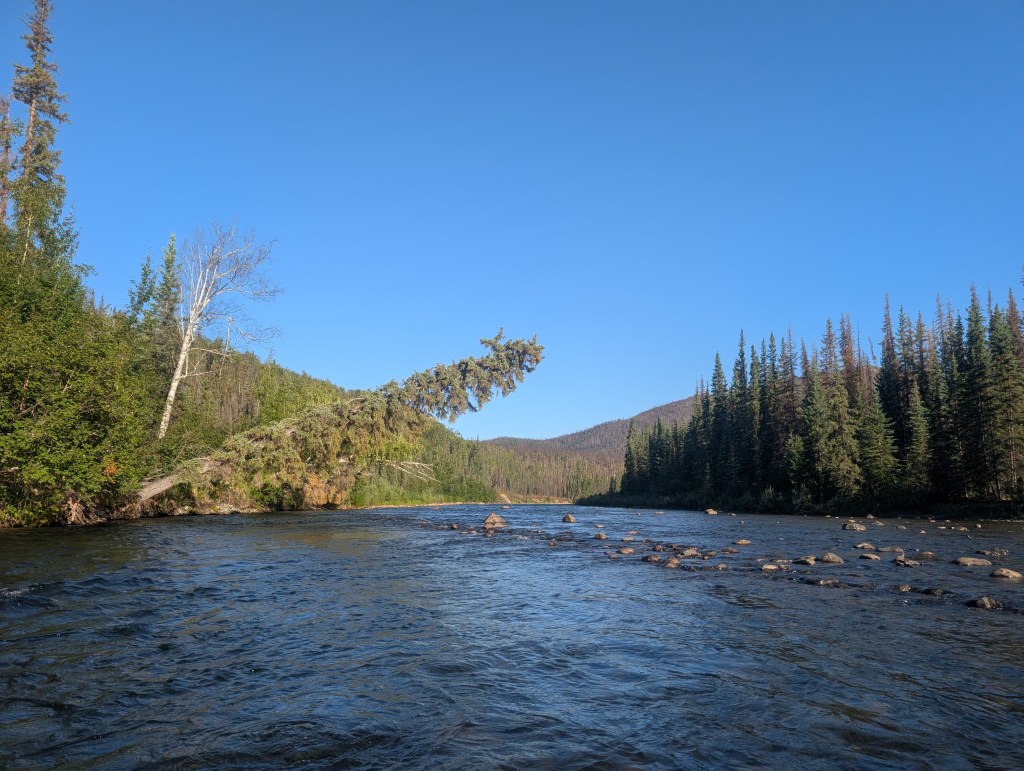
The Wildlife Conservation Society (WCS) was founded in 1895 and is a global non-profit organization with a mission to save wildlife and wild places through science, conservation action, education and inspiring people to value nature. The Arctic Beringia Program of WCS is headquartered in Fairbanks, Alaska along the banks of the Chena River, which historically supported the Yukon River drainage’s fifth largest Chinook salmon run. The Arctic Beringia Program uses the best available science and Indigenous knowledge, along with expertise in trans-boundary policy, to work with diverse communities, Indigenous groups, agencies and other partners to understand and protect wild places and wildlife, including their role in local food security
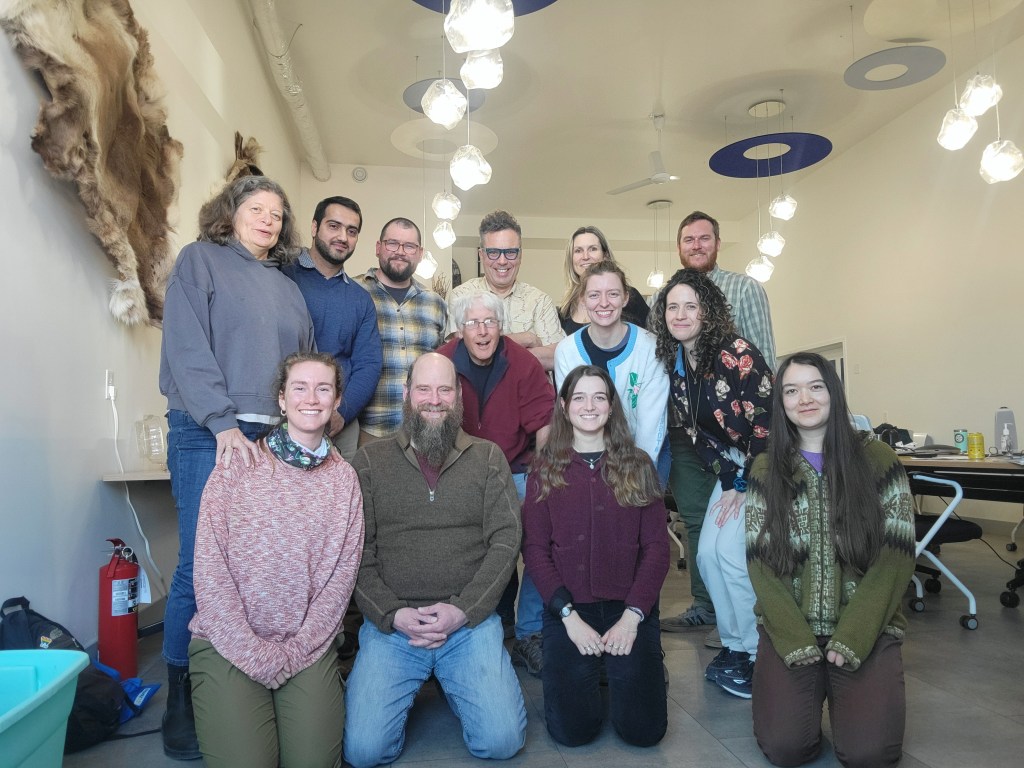
The health of Yukon River salmon populations is a priority for WCS, not only because of the ecological importance of salmon for fish, birds, and mammals in protected areas where they spawn and rear, such as the Koyukuk National Wildlife Refuge, Gates of the Arctic National Park, and the Arctic National Wildlife Refuge, but also our employees are members of Alaskan and Canadian communities within the watershed and have personal ties to the resource. Additionally, Yukon River salmon are integral to the culture and way of life of our Indigenous and rural partners.
WCS advocates for habitat restoration. Restoration of degraded streams in the Yukon River drainage is a useful step towards repairing freshwater and riparian ecosystems in Alaska and Canada that have been negatively impacted by the severe declines of Chinook, chum, and coho salmon populations. Enhanced juvenile rearing and adult spawning habitats created by habitat restoration activities may partially offset the decrease in freshwater productivity that was once boosted by marine-derived nutrients from abundant salmon carcasses, mitigating the cascading effects of salmon population declines. This will have positive effects on all facets of the environment that benefit from salmon presence, including grizzly bears, river otters, loons, Arctic grayling, and many more.
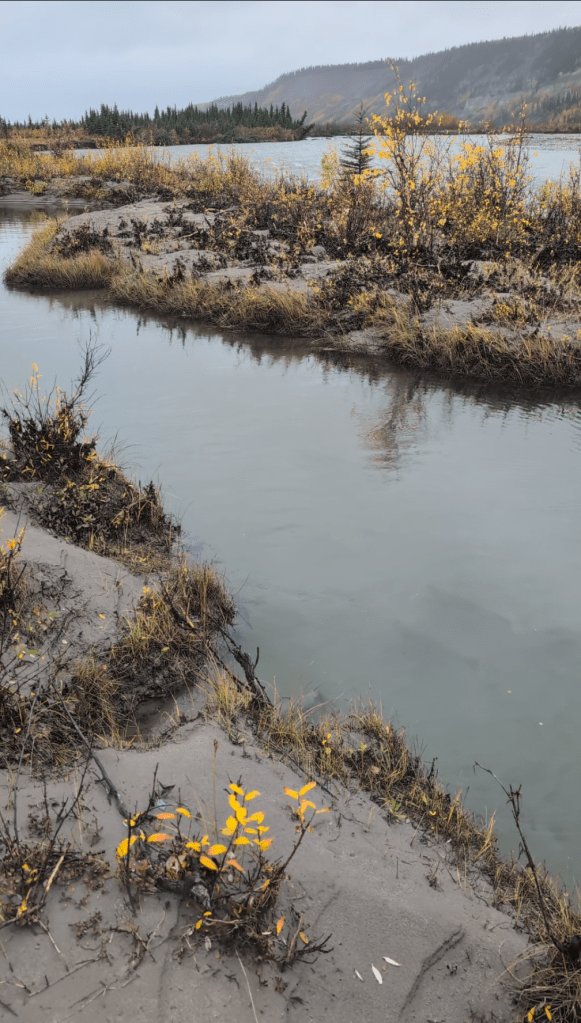
We also promote Indigenous involvement and strategies for salmon conservation. Contemporary models of restoration have largely excluded place-based knowledge systems and measures of cultural continuity that contribute directly to the resilience of fisheries and their governance. The collapse of salmon runs across the Yukon River Basin underscores the ecological and cultural costs of sidelining Indigenous Knowledge in fishery management and demands that we find ways to embed cultural indicators of fishery health into decision-making and governance frameworks. Building from a strong history of collaboratively developing governance solutions with local communities and Indigenous partners, the WCS Arctic Beringia Program is in the early stages of building local relationships to co-produce ecological and cultural (“ecocultural”) indicators of fisheries health that reflect local meanings of resilience. These indicators could help advance long-term, place-based monitoring and fishery governance models that support ecological and cultural health.
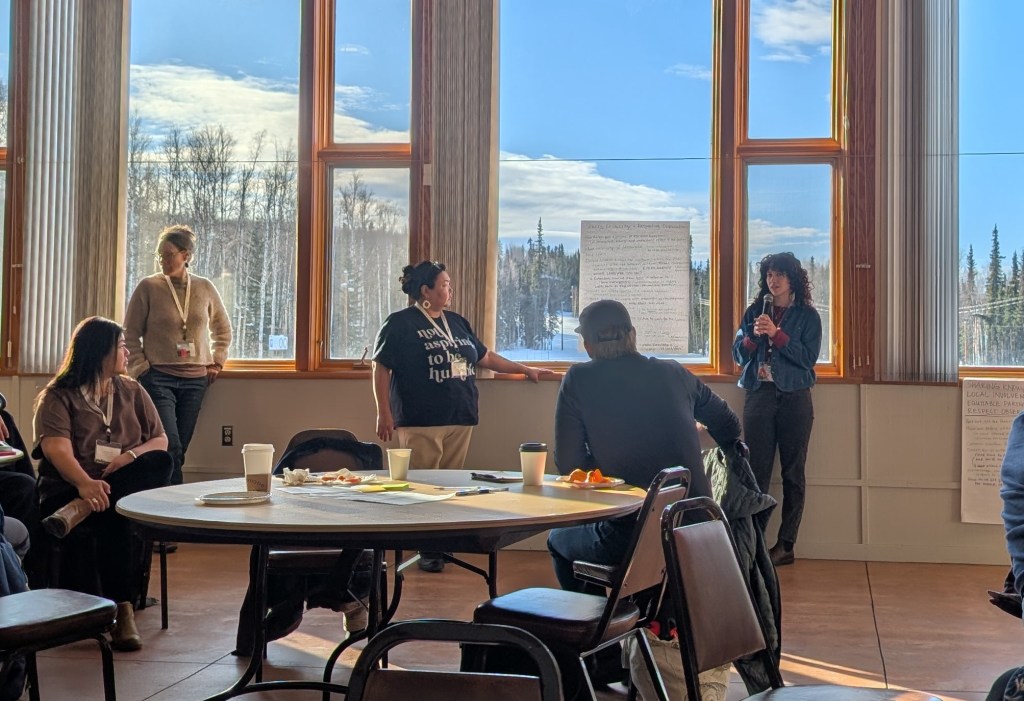
WCS Arctic Beringia will strive to to assist with Yukon River salmon rehabilitation, leading through science, expert opinion (e.g., Fish Ecologist Kevin Fraley’s position on the trans-boundary Yukon River Panel Joint Technical Committee), and outreach products such as the habitat restoration newsletter you are currently reading. Stay tuned for information about new ventures from WCS into the Yukon River salmon restoration space, in subsequent newsletter editions. In the meantime, check out our efforts occurring this summer, below.
Summer 2026 Activities
WCS Arctic Beringia is currently studying abundance, causes of mortality, and disease prevalence in Koyukuk, Hogatza, and Nenana River salmon within the Yukon watershed. Read more about our project here. Our study, which is being conducted in partnership with the Koyukuk National Wildlife Refuge, may elucidate causes of premature salmon mortality in freshwater systems, potentially offering insight for stream habitat restoration practices.
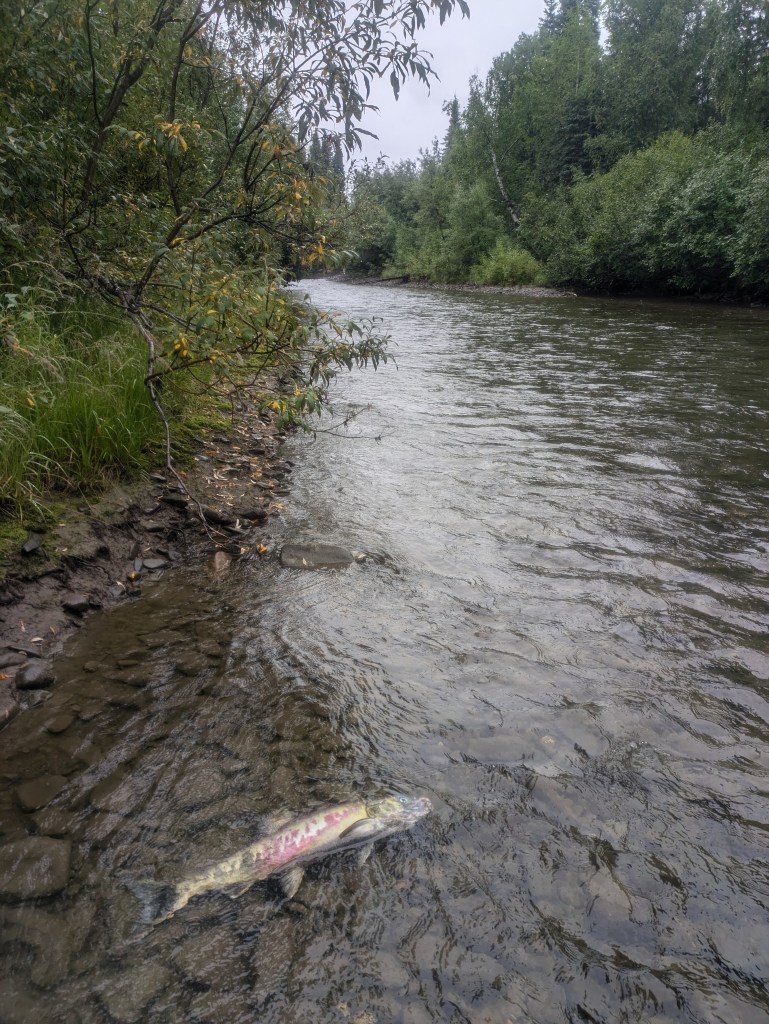
Fieldwork on this project in 2025 revealed that small, tributary-spawning populations of chum salmon in the Koyukuk and Nenana River drainages, numbering in the dozens or hundreds of individual fish prior to drainage-wide declines over the last ten years, may have become completely extirpated. This is concerning because we know that these small populations can be important to the overall genetic diversity and resilience of Yukon River salmon.
In 2026, these small populations will be assessed again, to verify the findings from prior years. Additionally, a WCS Fish Ecology field crew will be visiting Hogatza River drainage chum salmon spawning sites in July and August to collect information on pre-spawning mortality and conduct disease prevalence sampling. Also, science outreach visits will be conducted in Anderson, AK and Coldfoot, AK in relation to this project. Our activities during the 2026 summer season will be reported in the next edition of this newsletter.

