U.S. BLM Spring 2026 Updates
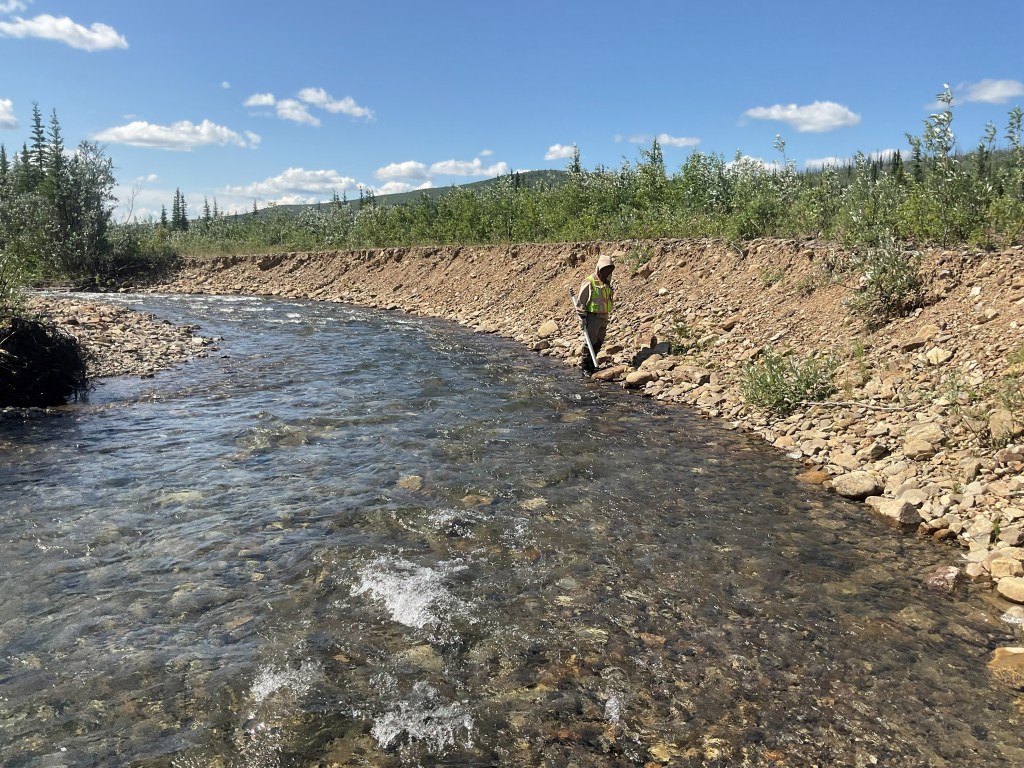
The Bureau of Land Management (BLM) will keep working to restore aquatic habitats affected by past mining in Alaska and will track progress to improve its restoration methods. Starting this summer, BLM will begin another phase of restoration at Nome Creek, focusing on areas upstream from previous projects (2023–2025). The main goals are to stabilize streambanks, improve floodplain health, and enhance habitats in the creek. BLM also plans to check other parts of Nome Creek for possible future restoration work.
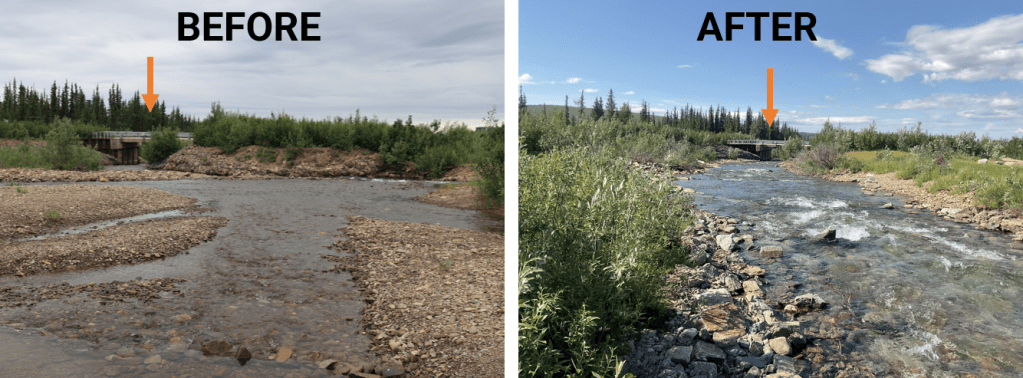
In addition to Nome Creek, the BLM has also been working for years to improve habitat conditions along sections of Wade Creek in the Fortymile Region. Wade Creek is more challenging to restore than Nome Creek because some mining continues along parts of the creek adjacent to areas that were mined in the past. This means BLM must work closely with miners and other partners to make projects successful. Since 2015, several restoration projects have taken place—some with help from placer miners—which have improved conditions and led to new ways of restoring streams in Alaska. While no new projects are planned for this summer, BLM will keep monitoring ongoing restoration efforts at Wade Creek.
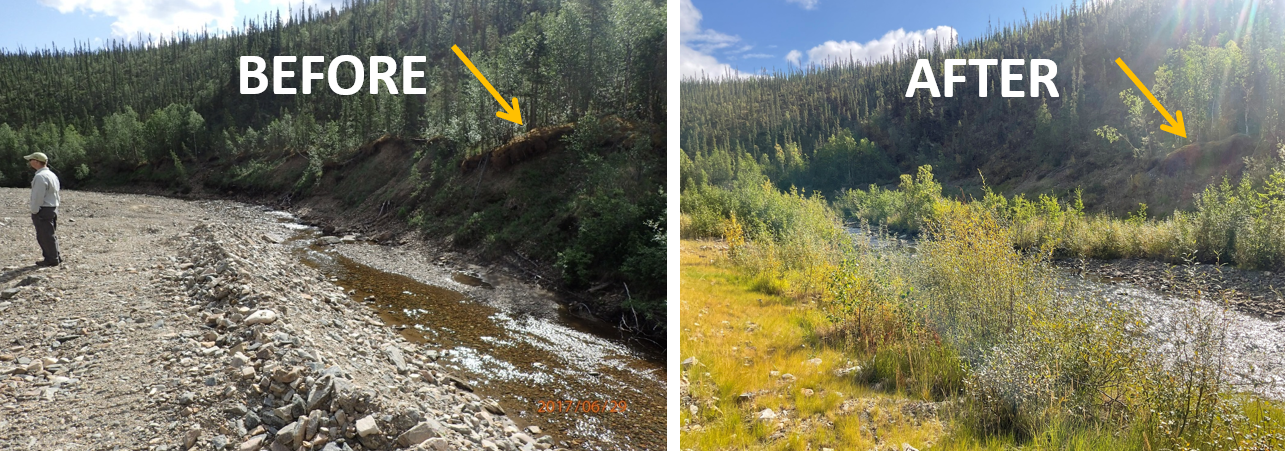
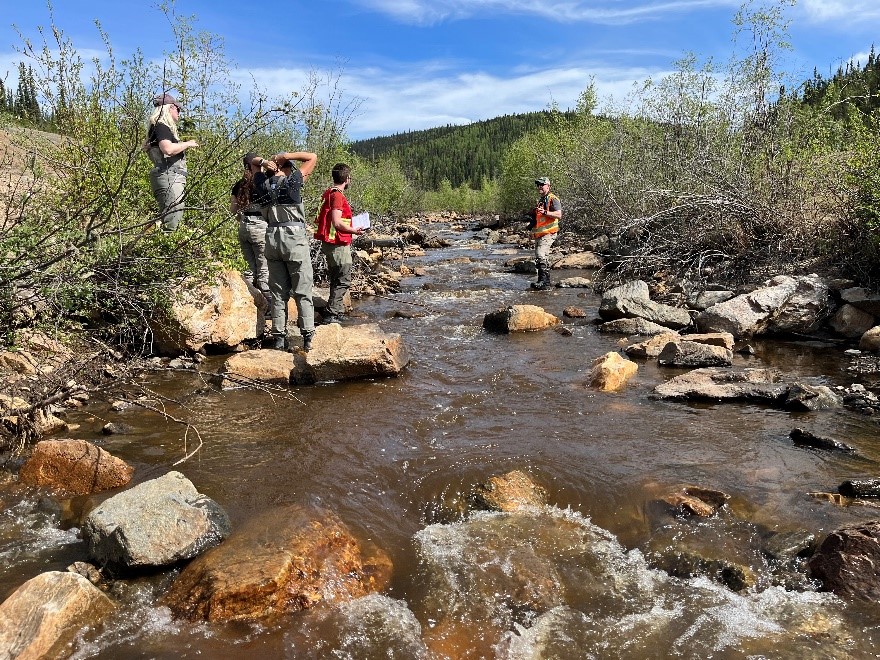
More information about BLM’s restoration efforts is available on our website: Gravel to Gravel | Bureau of Land Management.
Questions or comments on this work? Please contact mvarner@blm.gov or ejmay@blm.gov

