Indigenous Sentinels Network, Yukon River Drainage Fisheries Association, and Yukon River Inter-Tribal Fisheries Commission: Seeing the Ecosystem Through a Networked Watershed
The Yukon River watershed is sustained through the many partners working together toward shared salmon and habitat goals. Rather than operating as one large program, this networked approach allows each organization to contribute its own strengths while building greater impact through coordination. Yukon River Drainage Fisheries Association (YRDFA) works as a key hub for advocacy, restoration, and the protection of traditional knowledge in Yukon River fisheries, while the Yukon River Inter-Tribal Fish Commission (YRITFC) supports tribal unity and training while both serve the co-management across the watershed.
Other partners, including UAF, contribute research, technical innovation, and data support, while TVWA leads tributary restoration work on the ground. The US Fish and Wildlife Service (FWS) and additional collaborators help with policy coordination, data sharing, and broader support. Together, these efforts are connected through projects regarding habitat reconnection efforts, which works to improve spawning access for salmon, and the Yukon Data Clearinghouse, an effort to create a shared monitoring framework that brings community-owned and collected data alongside agency data together to identify gaps and guide restoration priorities.
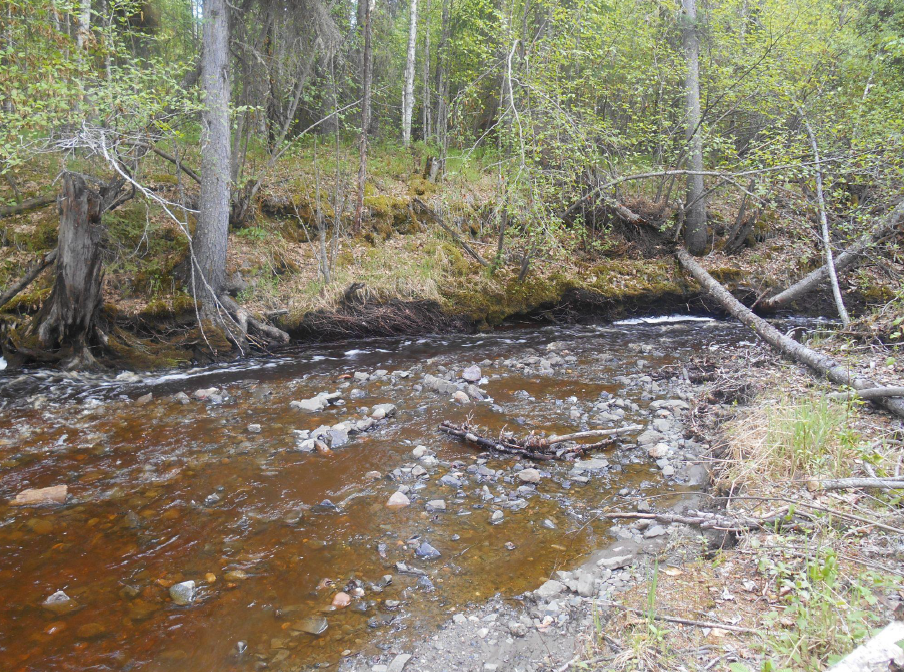
Equally important is how information is gathered, protected, and used. The Indigenous Sentinels Network (ISN), a key partner in the region, supports the management of environmental observations in a community-owned, privacy-protected database, helping ensure that local knowledge and monitoring information remain in the hands of the communities they serve. That matters for habitat work in the Yukon: when restoration priorities, spawning surveys, and water quality monitoring are guided by community-led data protocols and agreements. The resulting decisions reflect what people on the river are actually seeing year over year, and the governance of that information travels with the data itself.
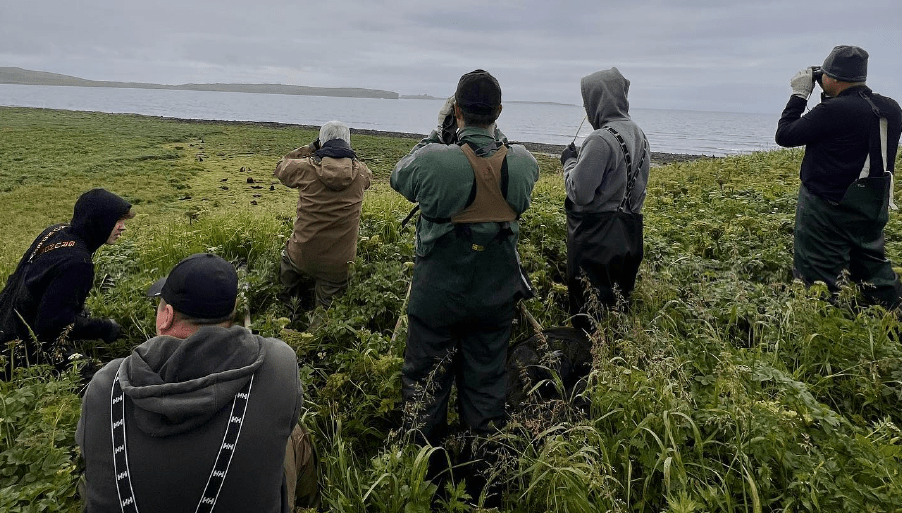
It also opens the door for community members to take active roles in habitat monitoring, restoration planning, and the advisory and management discussions that shape salmon stewardship across the watershed.
ISN’s role is to help communities guide how knowledge and technology are used. Any program built with ISN’s technology should reflect the needs, priorities, and preferred ways of working of the people who use it. That flexibility is essential to supporting Indigenous-led monitoring and stewardship in a way that is responsive, respectful, and community-driven.
As part of building this capacity, the NOAA Climate-Ready Workforce grant is supporting a new training opportunity through the ISN and its host organization, the Aleut Community of St. Paul Island, along with Iḷisaġvik College and the Bering Sea Campus. The course prepares participants for community-based monitoring and stewardship work – the kind of skills that directly support habitat assessments, water quality sampling, and restoration efforts across the Yukon and beyond. Interested participants can contact Louis Bonner at lcbonner@aleut.com or (907) 615-5202.
Questions about ISN can be directed to Hannah-Marie Ladd at hladd@aleut.com or (907) 615-5211.
Salmon recovery in the Yukon will take many hands and many years. ISN’s role is to make sure the data, the tools, and the decision-making level is with the communities doing the work, so that what gets built in this watershed reflects the priorities of the people who live with the river.