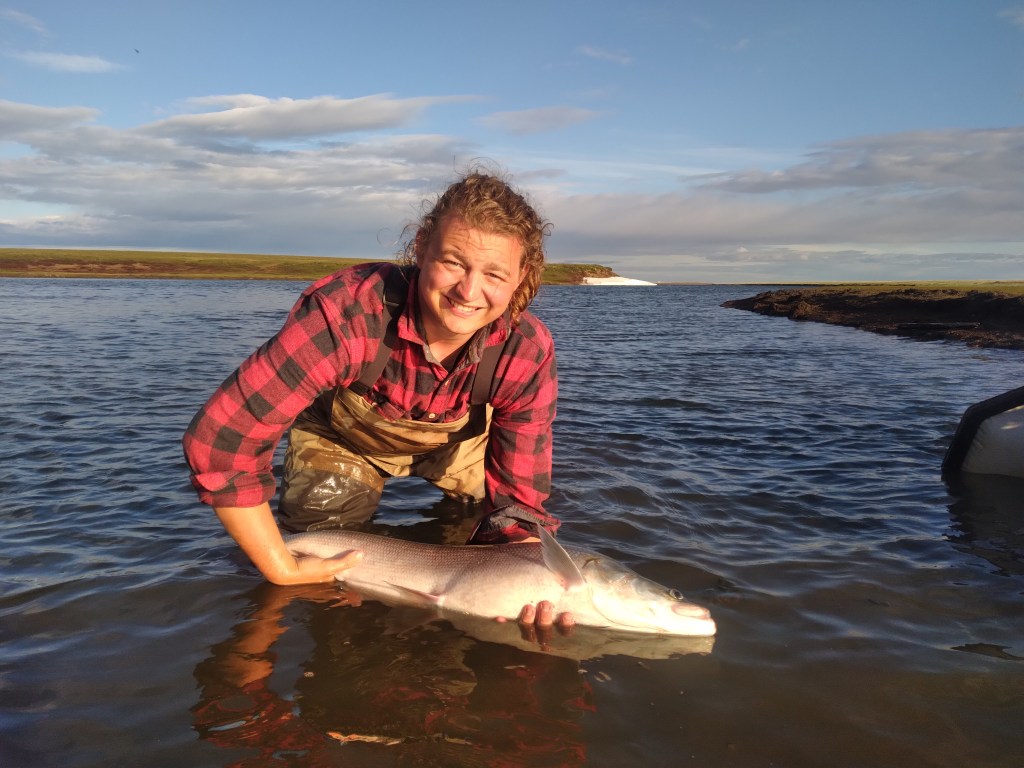
Sheefish Coastal Movements Study
Background
Sheefish (also known as Inconnu; Iñupiaq: Sii) are an important subsistence harvest species for rural and Indigenous Alaskans in both coastal and inland communities. Given the importance of sheefish for food security of Alaska Native Peoples and rural residents in the area, there is a need to monitor the status of stocks and identify any changes in the populations that may occur, such as range expansion, novel movement patterns, and other behaviors possibly attributed to climate change. The effects of climate change are exacerbated in the Arctic, and include changes in seasonal periodicity, warming water temperatures, declining sea ice coverage, and more hospitable freshwater habitats in winter, all of which have potentially profound effects on the behavior and distribution of migratory fish.
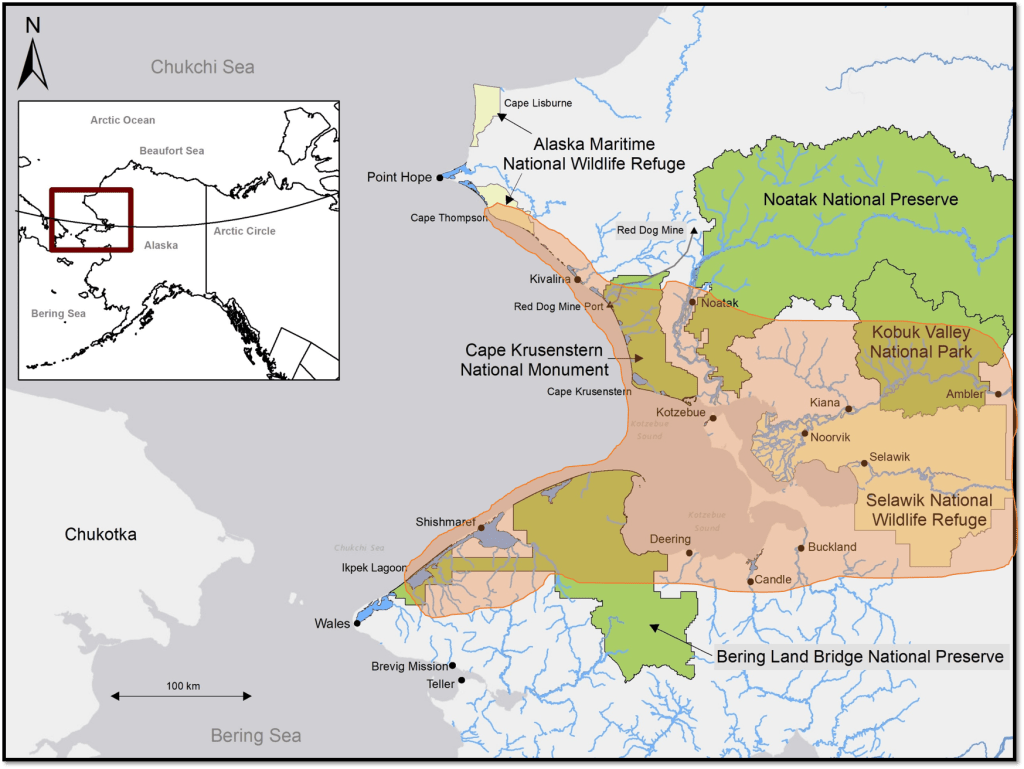
According to reports from local residents, the prevalence of sheefish further from known summer and overwinter areas is increasing, including in the lower Noatak River and in Cape Krusenstern Lagoons. Given this, the current extent of coastal movements has not been described and may represent species range expansion or migration to previously unknown spawning or feeding locations, potentially influenced by climate change effects. The map below shows the current distribution of the species as understood by the Alaska Department of Fish and Game, but based on newer observations, it may not be accurate.
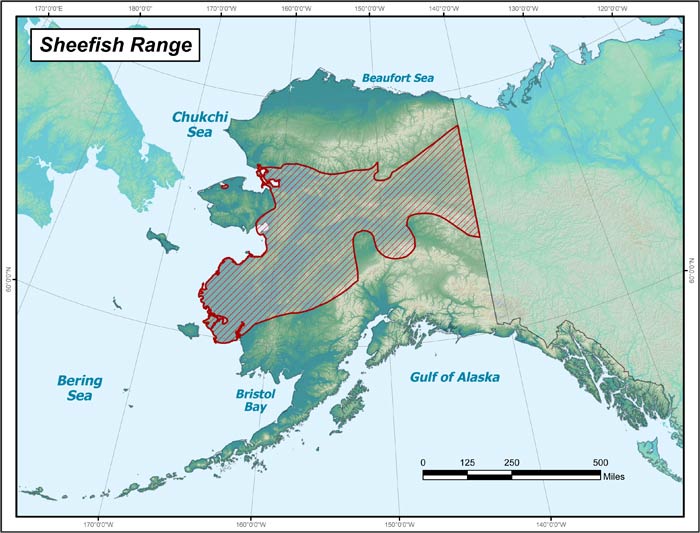
In addition to coastal distribution, there is little known about the habitats used and behaviors of sheefish as they travel along the coast. Therefore, WCS, University of Alaska Fairbanks, Native Village of Kotzebue, the Alaska Department of Fish and Game, The Wilderness Society, and Selawik National Wildlife Refuge scientists worked together to launch a project characterizing the current coastal distribution of sheefish in Kotzebue Sound, and learn more about their coastal habitat use and behavior, described below.
Methods
•Part 1: Interviews of Northwest Alaska subsistence fishers and Traditional Ecological Knowledge literature compilation
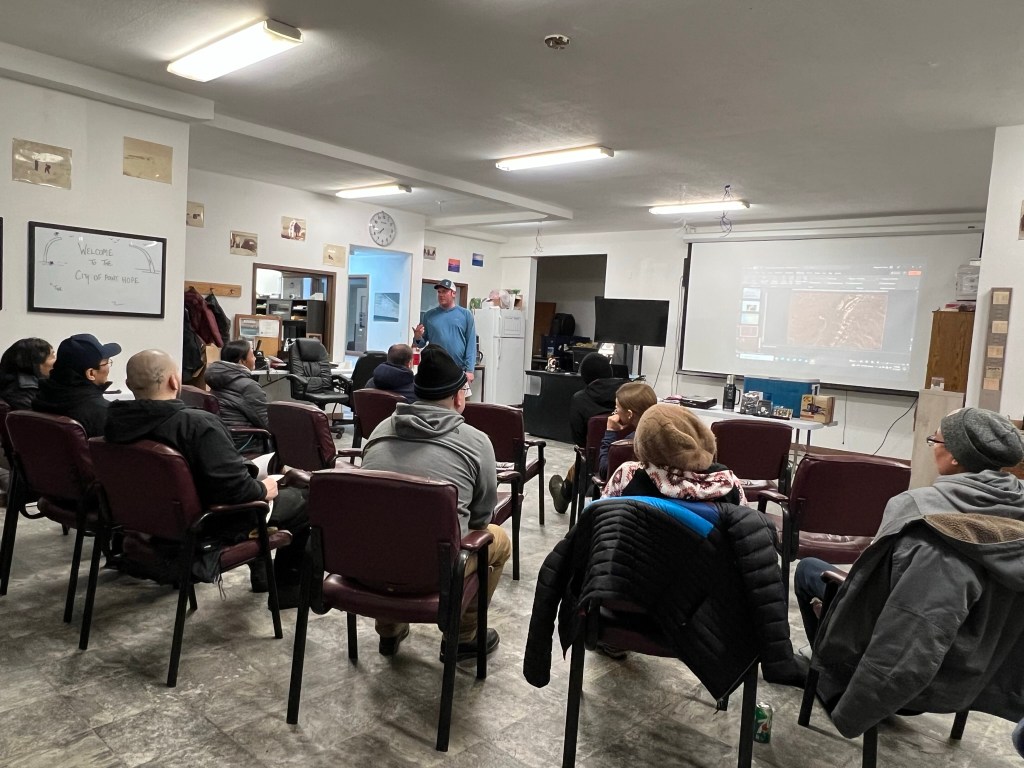
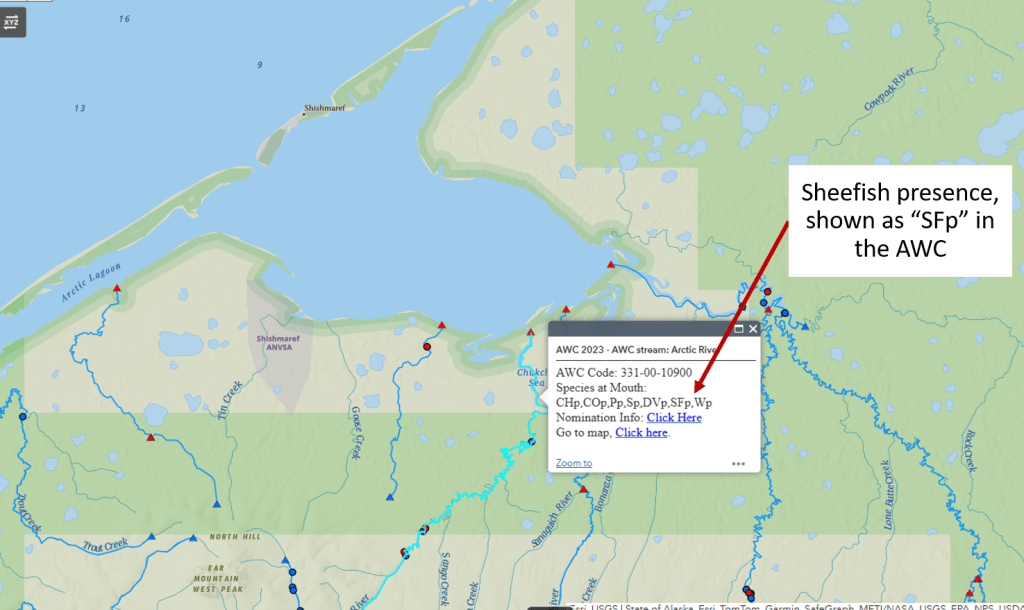
•Part 2: Summarization of 2012-2024 fish capture data from Wildlife Conservation Society monitoring of coastal lagoons of Northwest Alaska and from the Alaska Department of Fish and Game’s Anadromous Waters Catalog
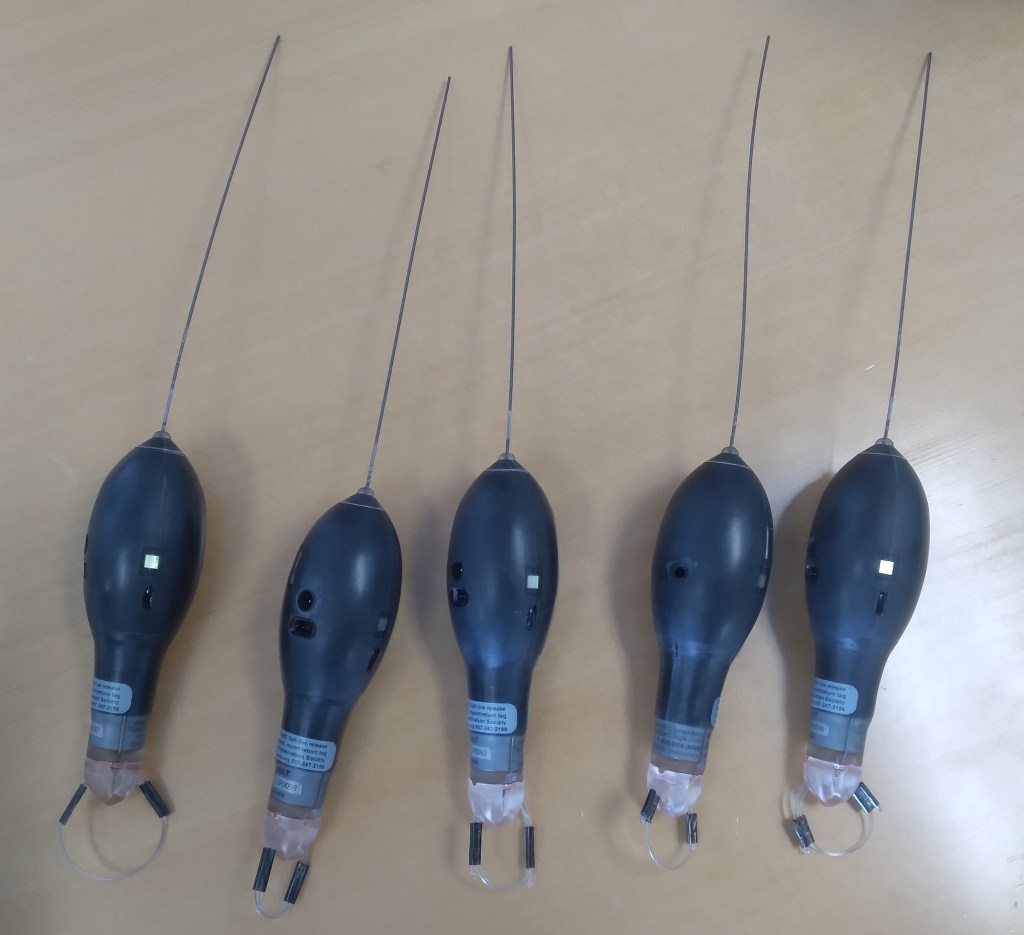
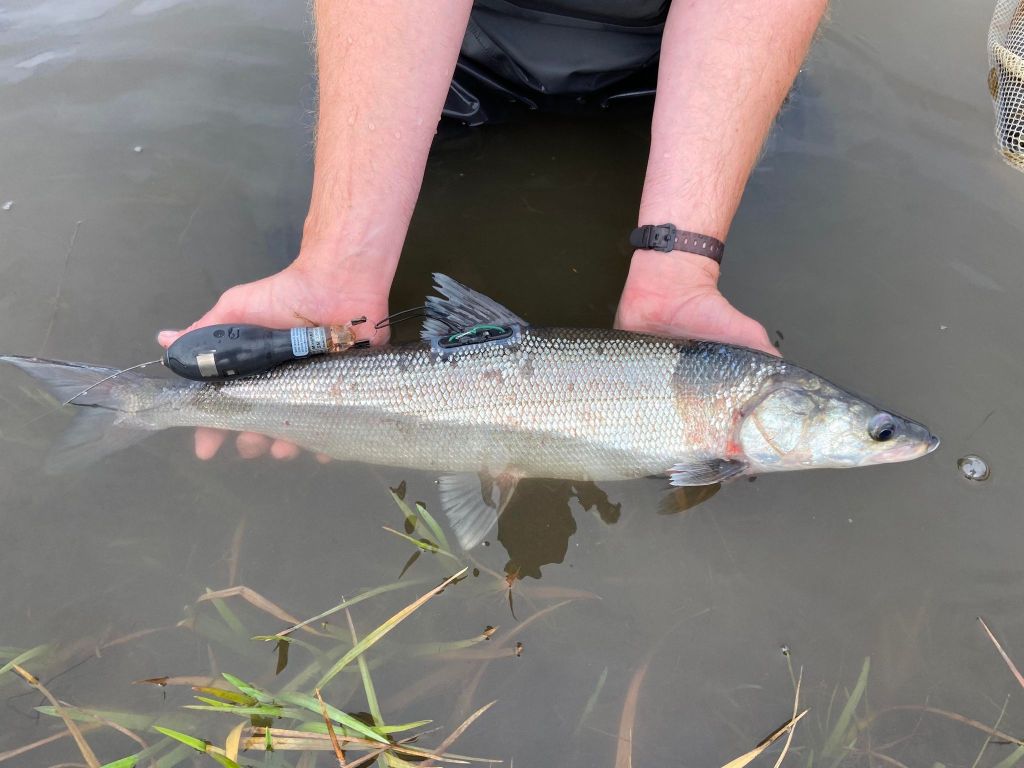
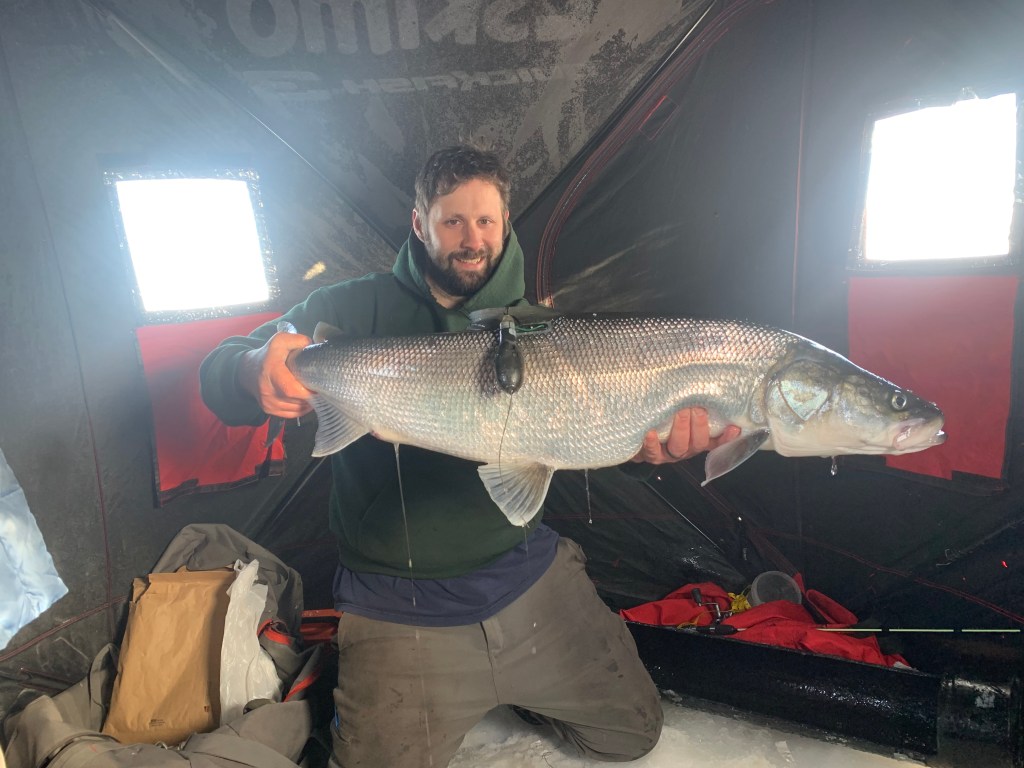
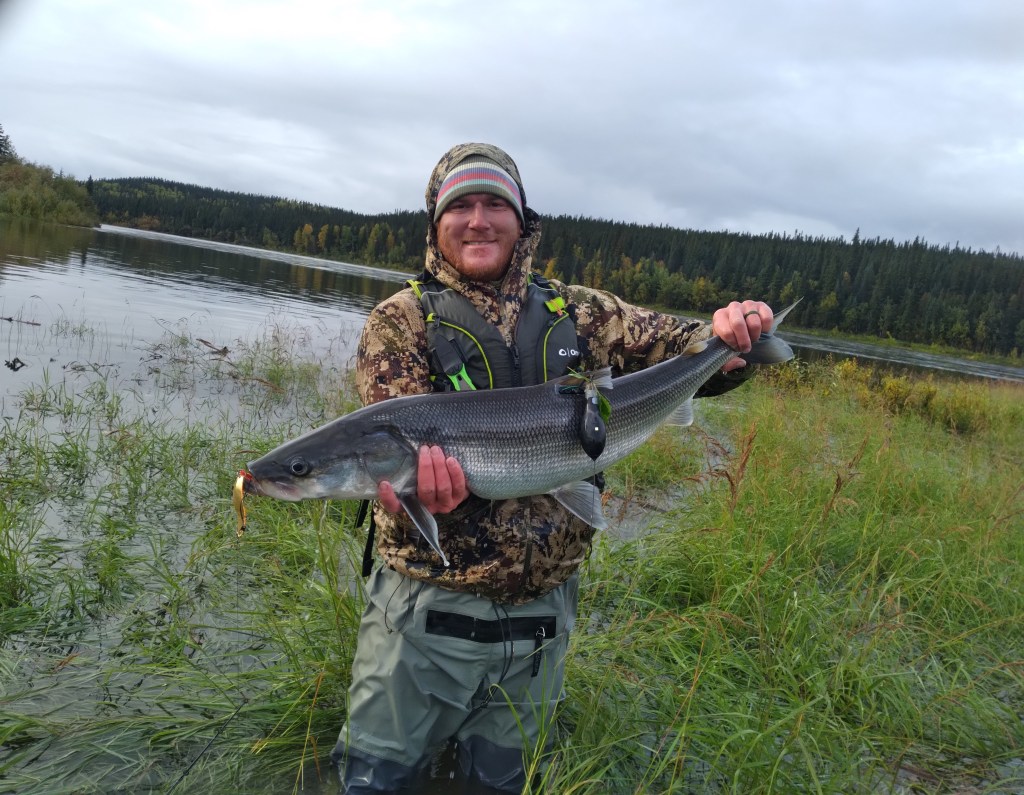
•Part 3: Sheefish pop-up satellite archival tagging to examine coastal movements, water temperatures, and depths used
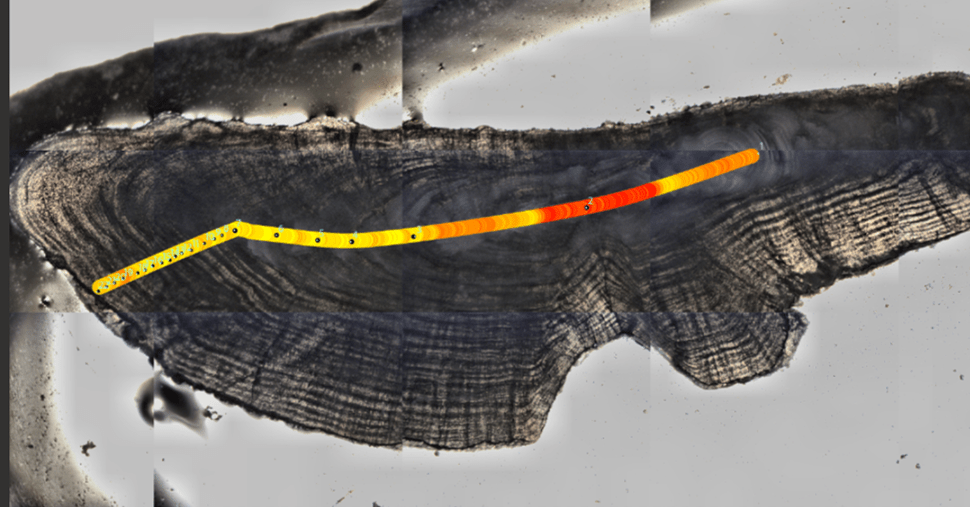
•Part 4: Otolith (fish earbone) microchemistry to see what habitats sheefish are using and which river fish originate from
Preliminary Results
Coastal distribution: Sheefish sightings and observations have been confirmed through TEK literature, subsistence fisher interviews, ADFG anadromous waters catalog data, and WCS fish monitoring projects along the Chukchi Sea coast from Shishmaref in the southwest to Cape Thompson in the north. This confirms that the distribution map for the species should be updated in the Kotzebue Sound region:
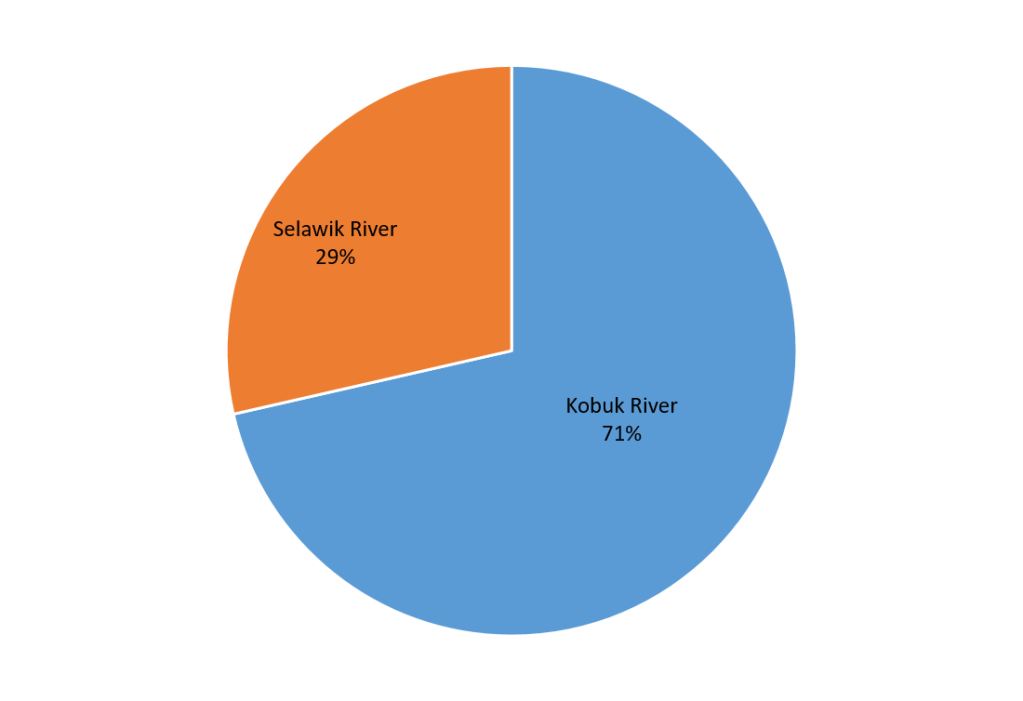
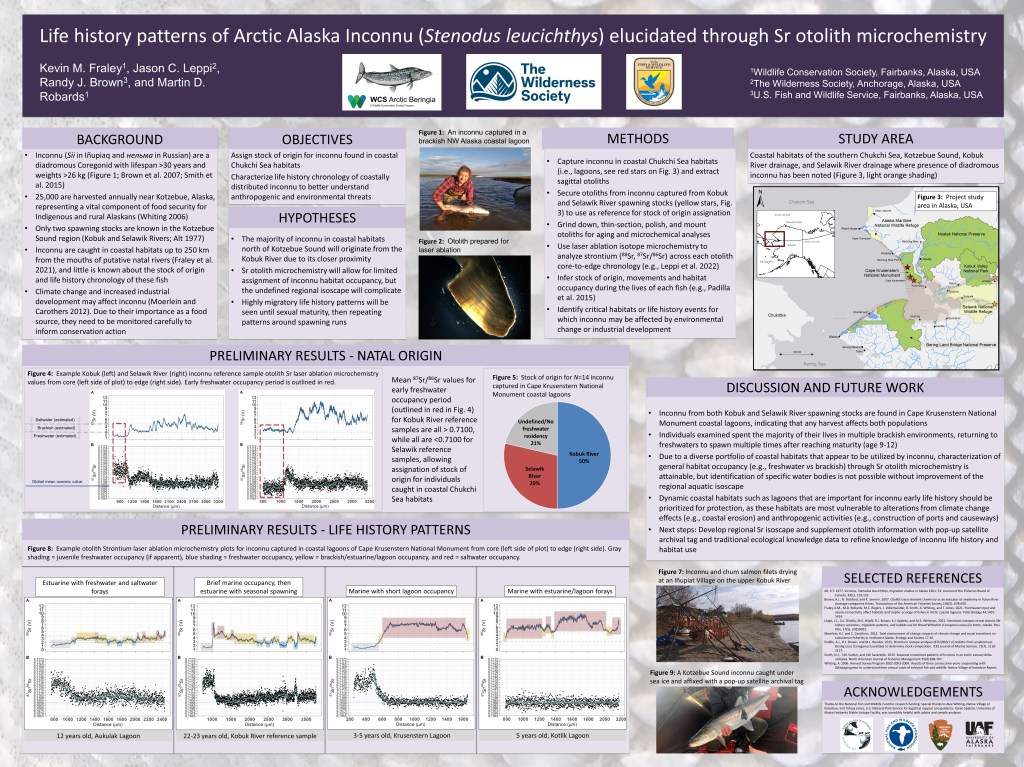
Origin of sheefish found along the coast: Otolith microchemistry data showed that sheefish caught from Cape Krusenstern National Monument lagoons come from both the Selawik and Kobuk River spawning populations:
Life history patterns: Otolith microchemistry revealed that sheefish often spend time in brackish and saltwater habitats theroughout their lives, especially before they become reproductively mature (<8 years of age). After becoming reproductively mature, more regular spawning migrations to freshwater occurs every year or every few years.
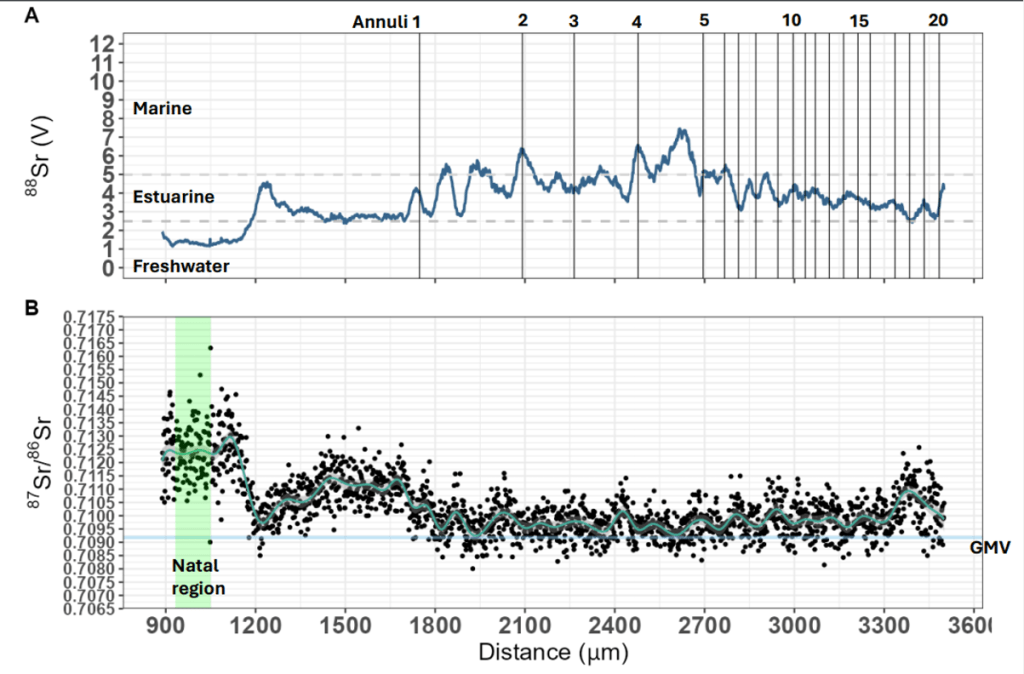
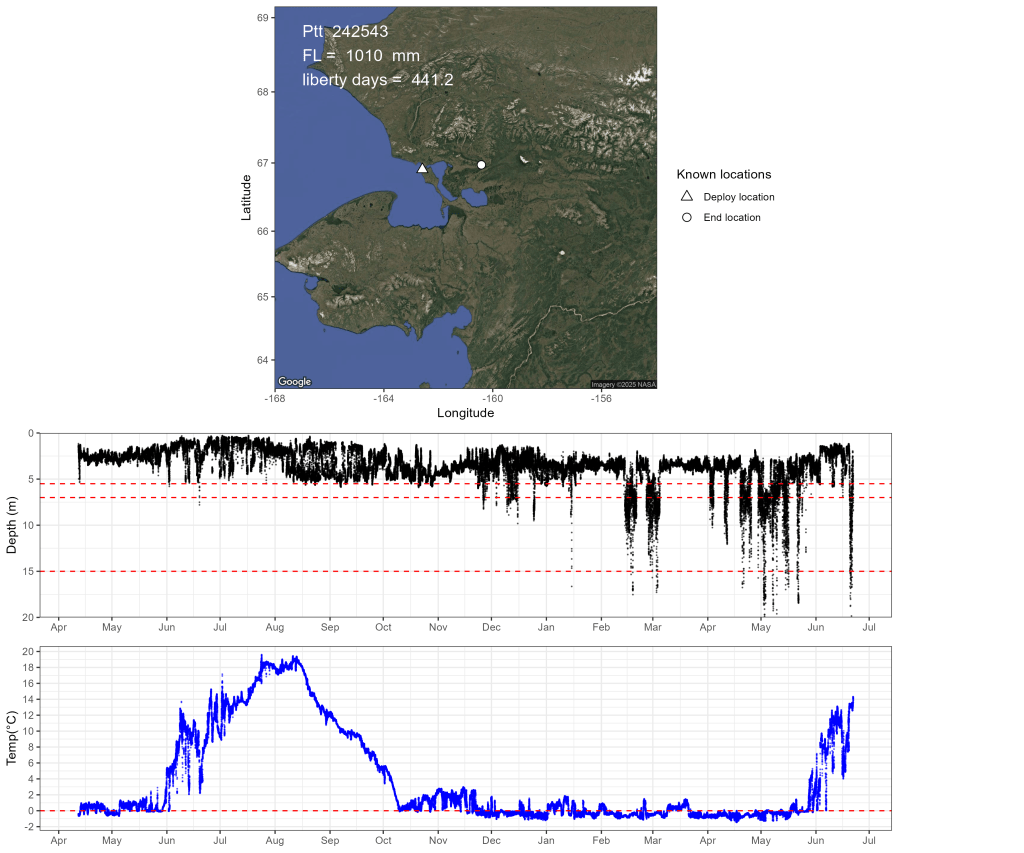
Water Temperature and depth occupancy: Satellite tagging data showed that some sheefish dive as deep as 70 feet for feeding or predator evasion, although they spend most of their time in the top 16 feet of the water column. Also, data showed that the fish could spend time in water as cold as 29 degrees F (subfreezing water under sea ice) and as warm as 68 degrees F.
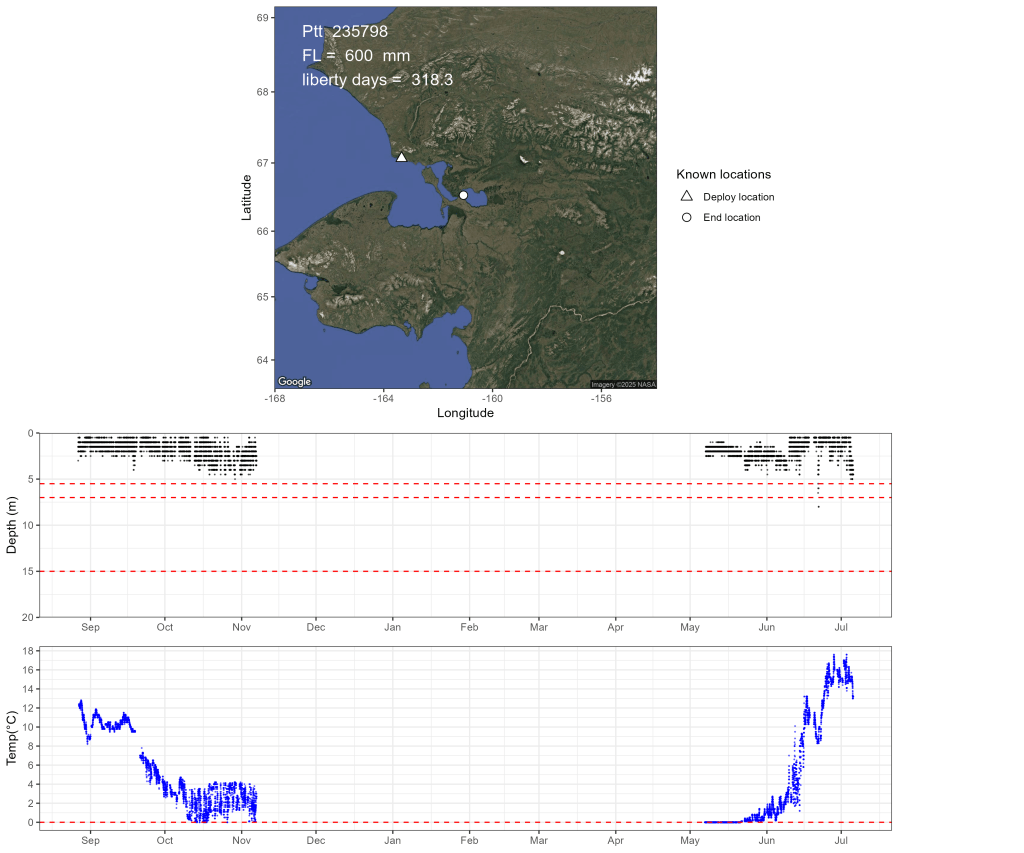
Water Temperature and depth occupancy: A smaller (23-inch) sheefish was tagged in the Krusenstern Lagoon system in August 2022, when the system was closed to the ocean by a gravel berm. The fish was able to successfully overwinter in the lagoon or its tributaries, left the lagoon in spring 2023, and the tag attached to the fish popped up in Hotham Inlet in July 2023. This answered a question scientists were unsure of about whether anadromous species like whitefish can successfully survive the harsh winters in shallow coastal habitats such as lagoon systems (it seems that they can).
Outreach Activities
-Updates presented to the Northwest Arctic Subsistence Regional Advisory Council from 2023-2025
-Presentation to the Cape Krusenstern Subsistence Resource Commission in 2024
-Poster at 7th International Otolith Symposium
-Presentation of early results to Midnight Sun Fly Casters in November 2023
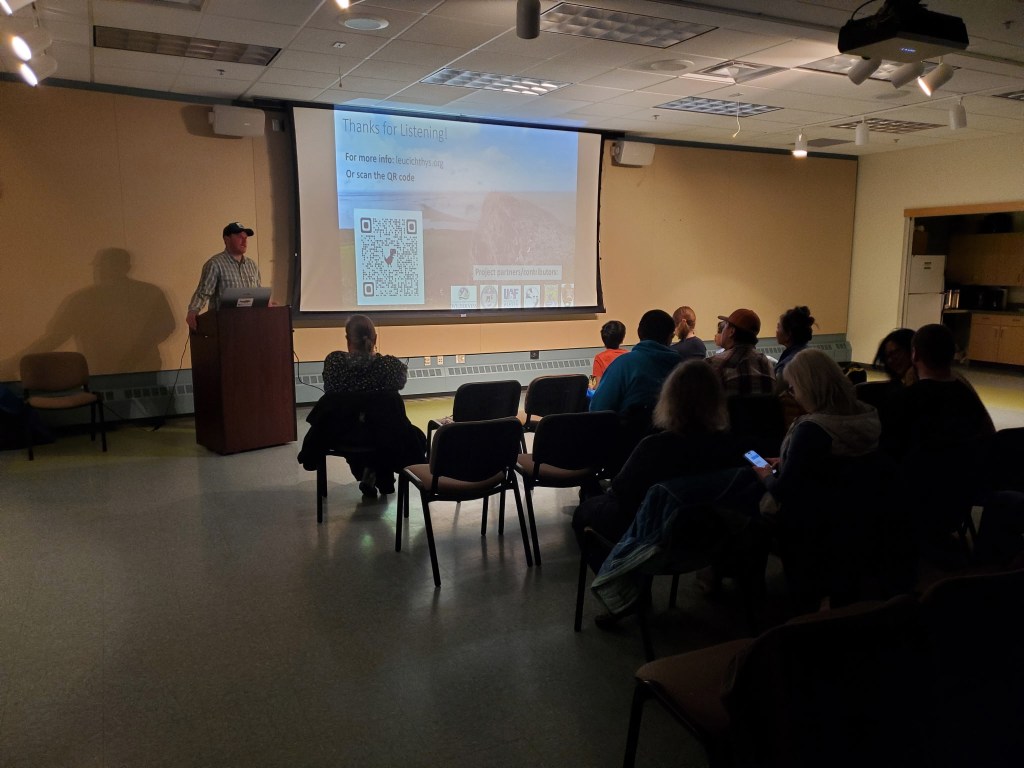
-Iknik Talk at Northwest Arctic Heritage Center in April 2025
More photos

This project was funded by the U.S. Fish and Wildlife Service Office of Subsistence Management Fisheries Resource Monitoring Program and the U.S. National Park Service Coastal Lagoons Vital Signs monitoring program. Activities are authorized under NPS and Alaska Department of Fish and Game research permits
 Arctic Beringia Fish Ecology