Background
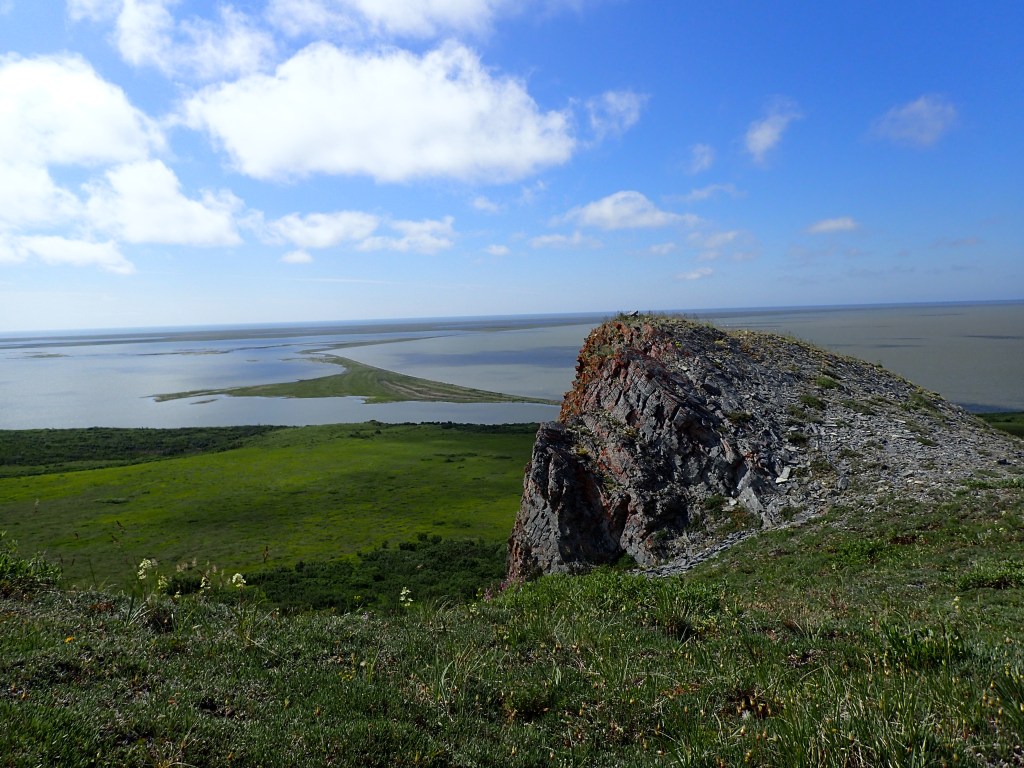
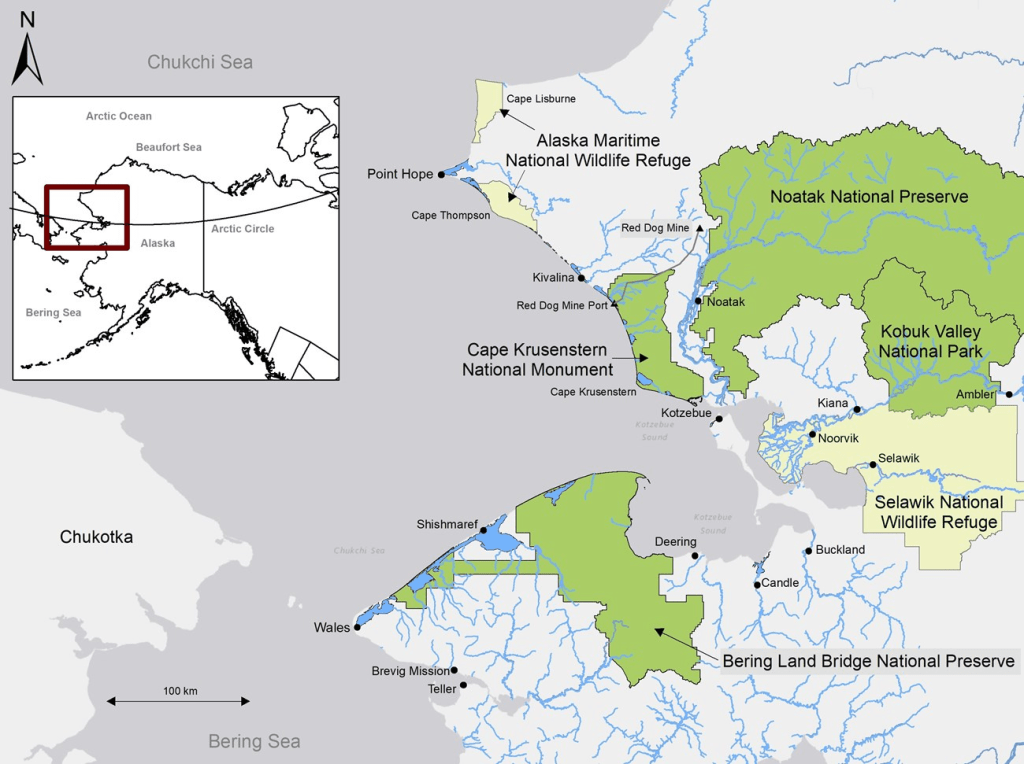
The Wildlife Conservation Society (WCS) has been collaborating with the National Parks Service on monitoring of Cape Krusenstern National Monument and Bering Land Bridge National Preserve coastal lagoons since 2012 using the Coastal Lagoon Vital Signs component of the Arctic Inventory and Monitoring Network. This program aims to establish biotic and abiotic reference conditions for assessing long-term ecological changes in the lagoons. The Vital Signs program focuses on the fish resources crucial for subsistence in coastal communities. A standardized protocol, developed from field efforts between 2015 and 2017, has been used for subsequent fieldwork, which expanded the existing database of information on lagoon ecology. Data collection involves measuring physical and chemical water properties, primary productivity, and fish abundance and diversity in several coastal lagoons.
Methods
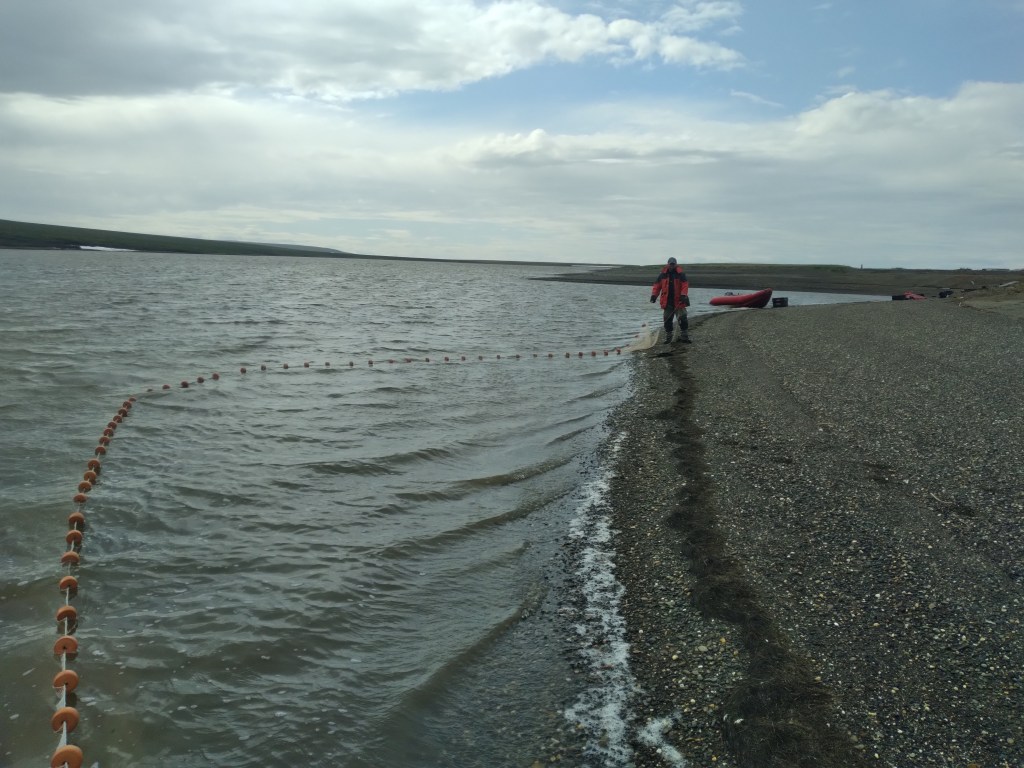
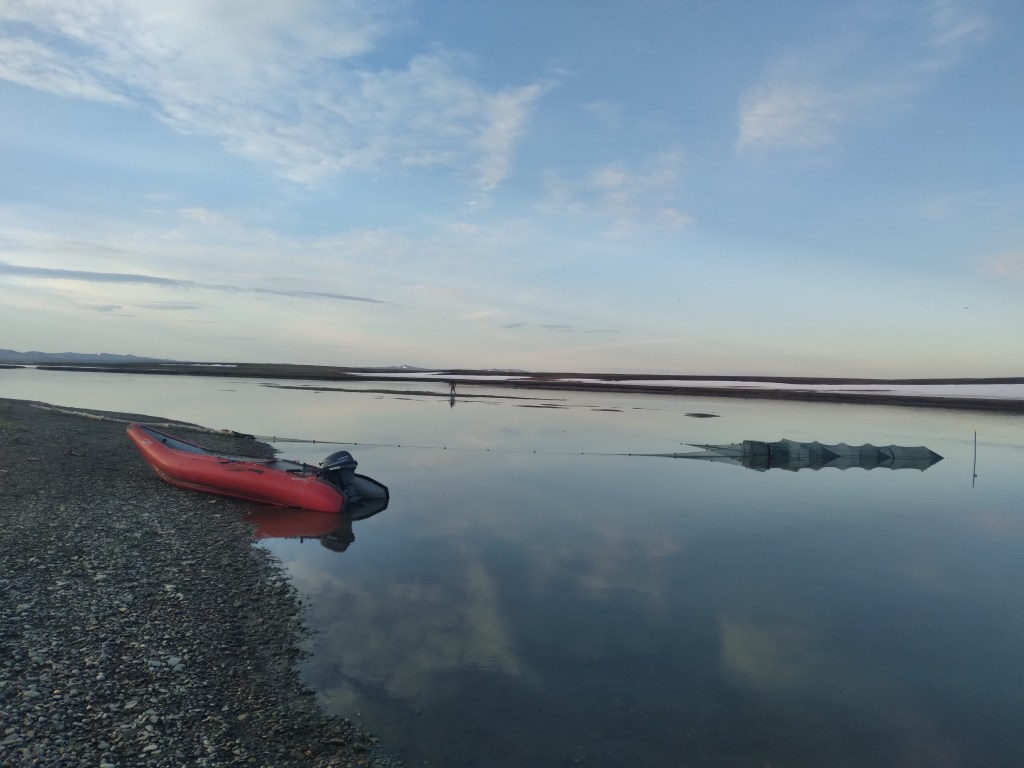
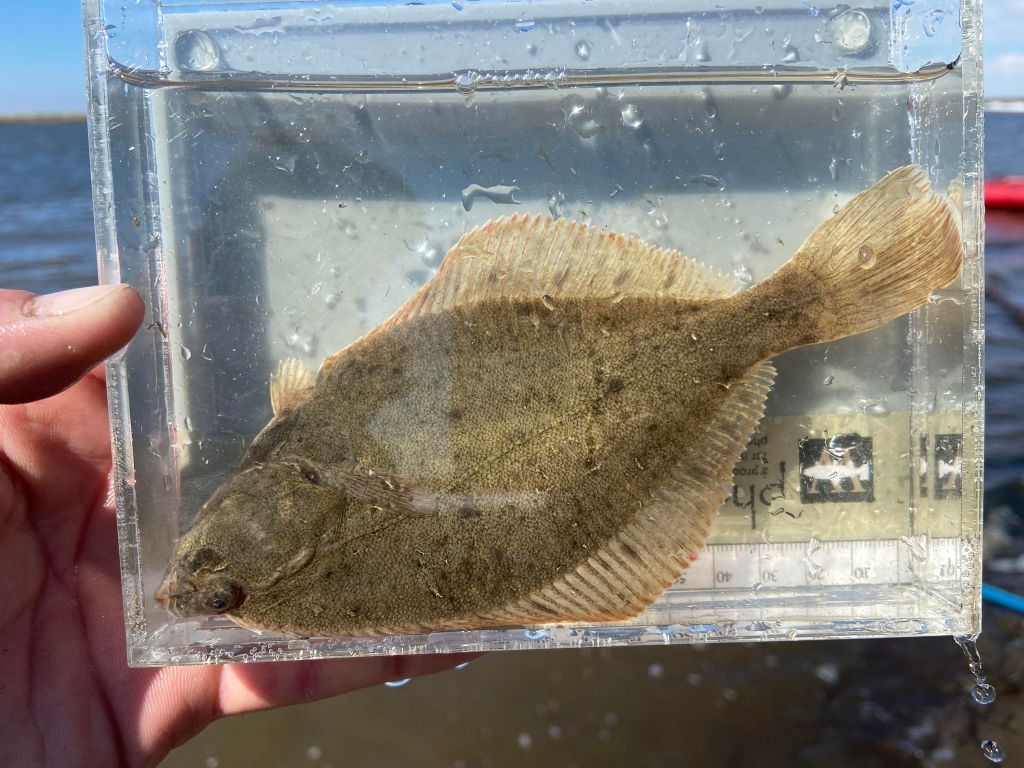
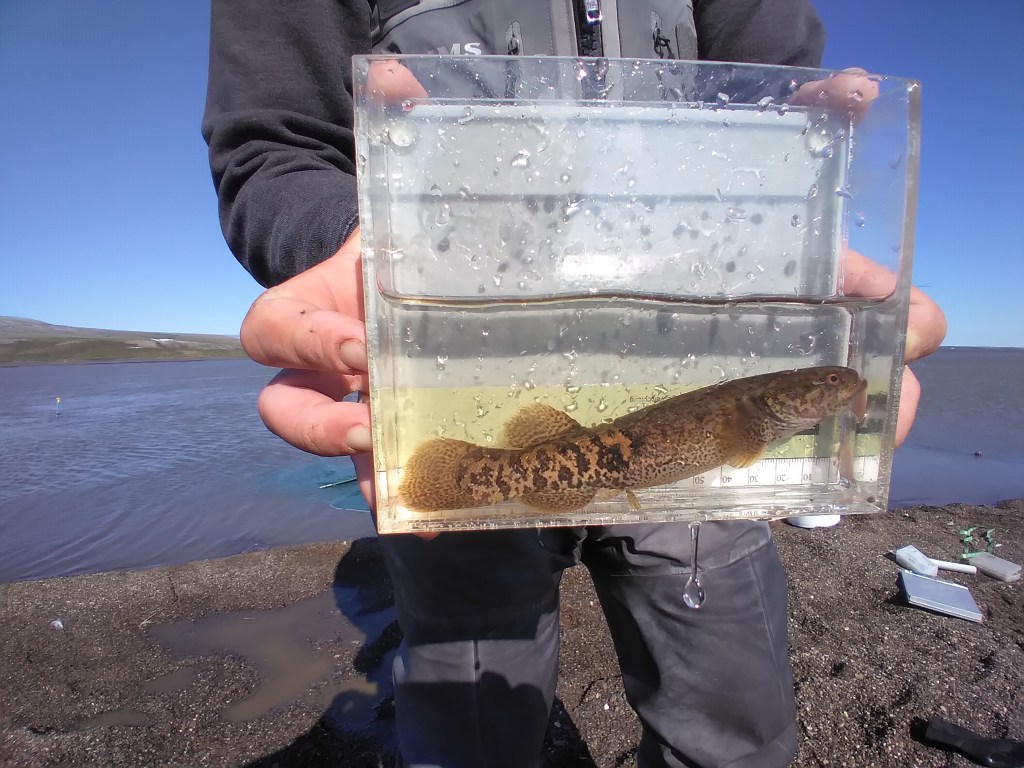
During sampling, 1-3 sample sites are used at each lagoon to assess fish abundance and species diversity. Typically, these include the outlet, marine edge, and the freshwater input for all lagoons. Water chemistry is sampled at 7 locations within each lagoon to record temperature, salinity, turbidity, algal content, pH, and conductivity. Four methods are used to collect fish at the sample sites: Experimental tangle nets, fyke nets, beach seines, and opportunistic angling. Fish are identified to species and each individual is measured. On occasion, a subset of fish are euthanized for various analyses such as otolith microchemistry or assessment of contaminants concentration.

Recent Results
See fieldwork blog posts here for summaries of yearly activities through 2024.
Read More:
National Park Service Resource Brief on Lagoon Monitoring
 Arctic Beringia Fish Ecology