UAF Cripple Creek and Nome Creek post-restoration invertebrate studies
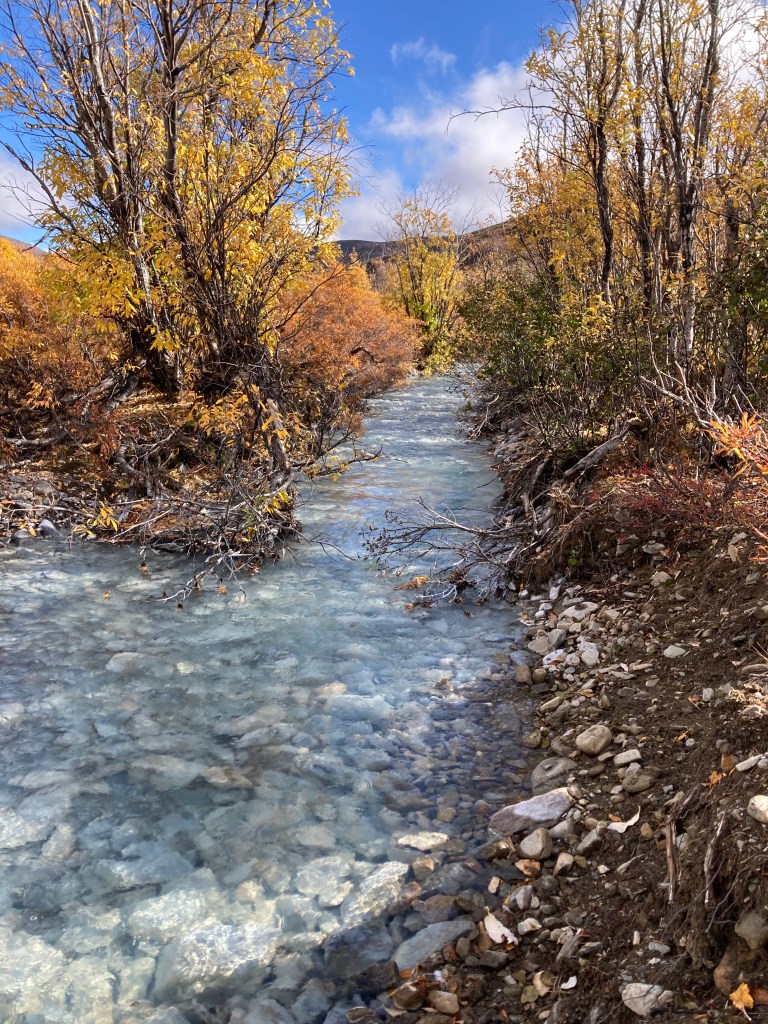
Dakota Keller, biology masters student at UAF, is currently studying the potential changes in aquatic insect and invertebrate communities following stream restoration practices on Cripple Creek, in Fairbanks, and Nome Creek, in the White Mountain Recreation Area. Both of these streams have a legacy of gold mining, which has resulted in diminished fish habitat and has consequently made them candidates for testing stream restoration techniques geared towards increasing quality and quantity of fish habitat. Two seasons of macroinvertebrate samples will comprise her master’s thesis project and help to characterize the early stages of recovery of these two streams. The macroinvertebrate community data will be used to assess how stream restorations mature over time biologically and the potential implications to fish food and habitat.

The final round of sampling wrapped up this summer with the help of two undergraduate researchers, Sarah Nyland and Rachel Cox. They assisted with collecting and processing macroinvertebrate samples as part of their experience working with the Alaska Rivers Lab this summer under the mentorship of Dakota and her advisor, Jeff Muehlbauer. This entailed enumerating and identifying macroinvertebrates to family or genus and weighing samples to estimate macroinvertebrate biomass. Comparing the relative abundances of species will help us better understand what available prey for the fish in these two systems and give us insight into how our restoration actions are changing the habitat on a biological level.
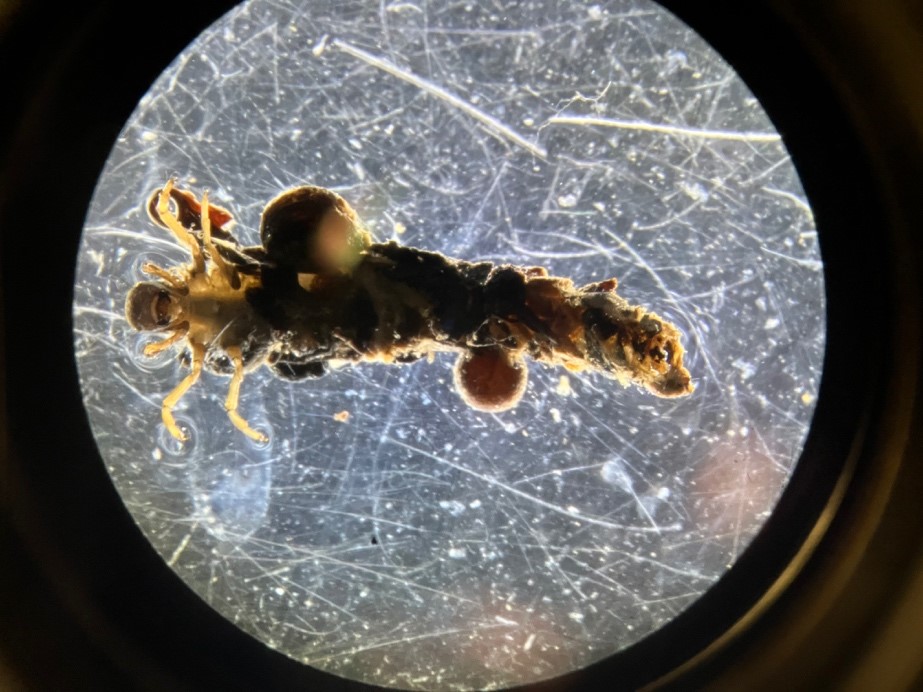
Lab processing and data analysis of the macroinvertebrate communities for both Cripple Creek and Nome Creek are expected to wrap up this winter with final results this spring.

Questions or comments on this effort? Please contact dkeller14@alaska.edu
 Arctic Beringia Fish Ecology