UAF Research on how habitat quality, temperature, and species interactions may influence the outcomes of restoration projects
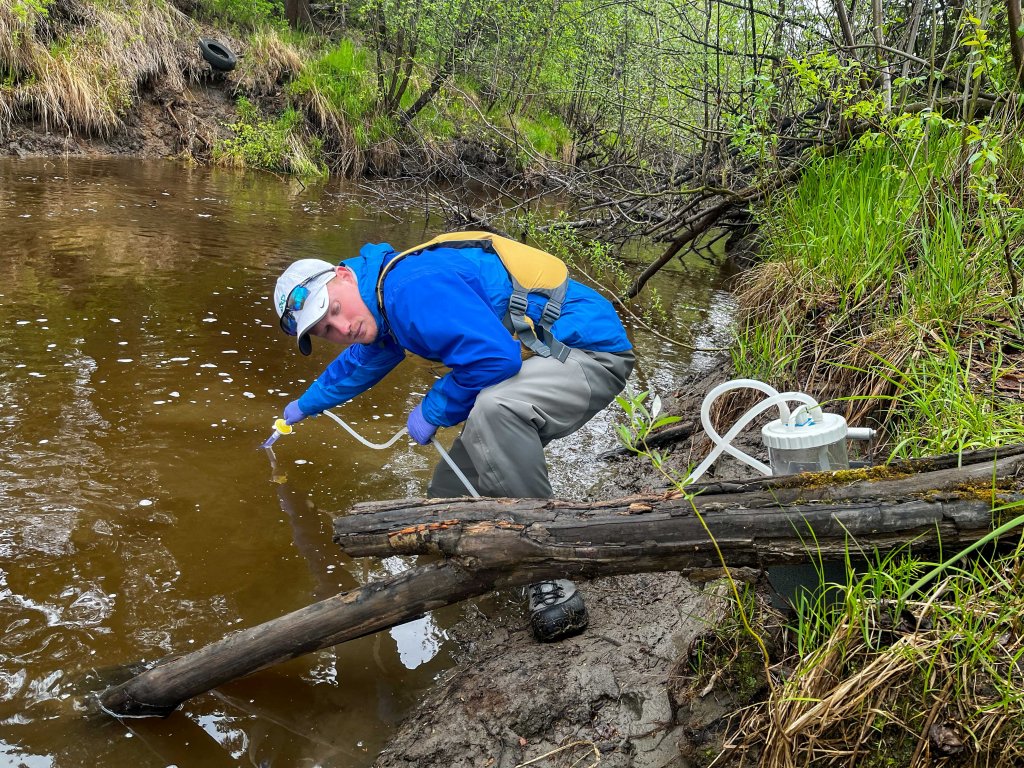
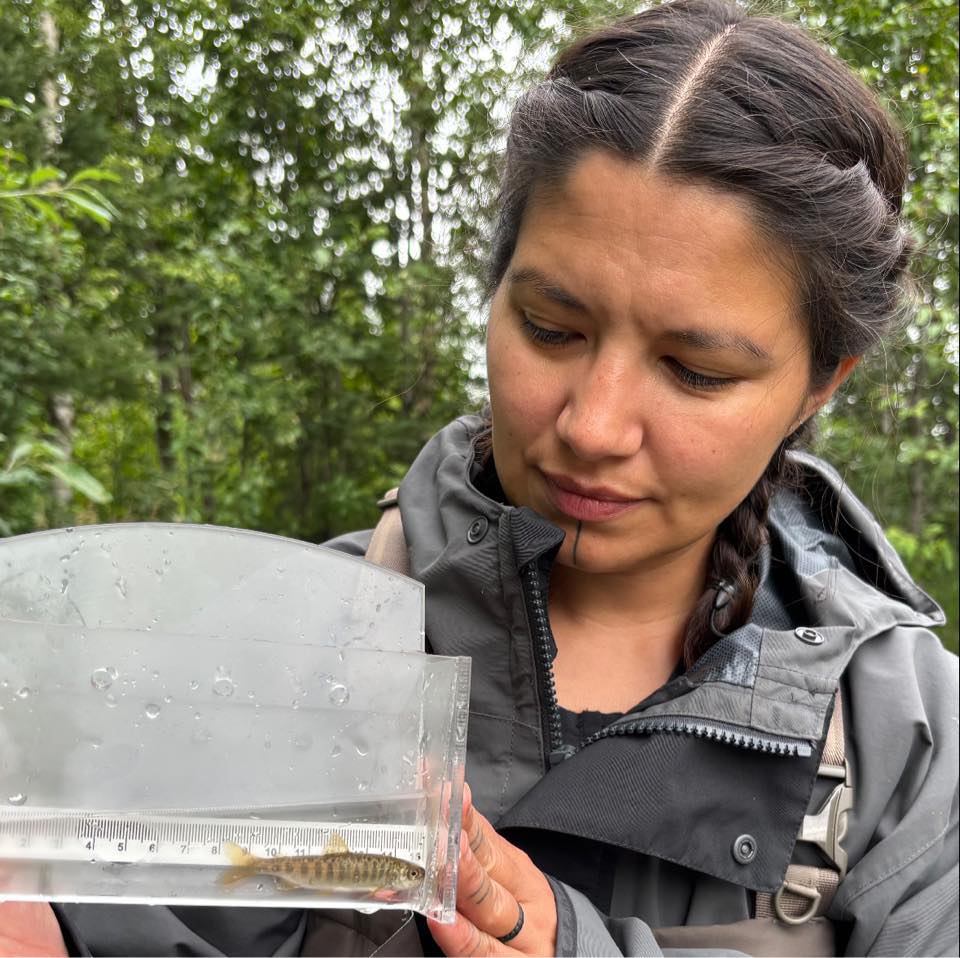
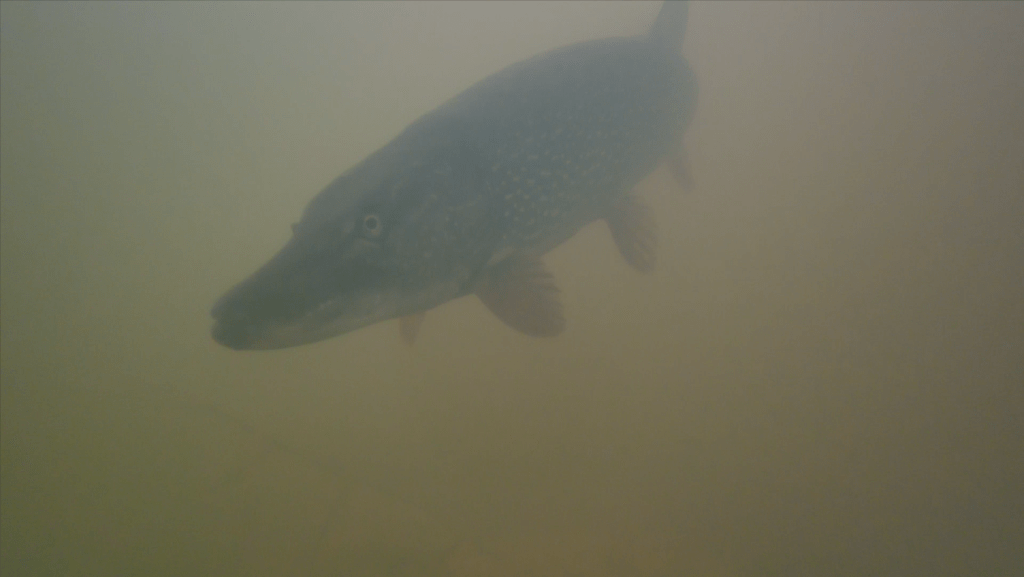
A team led by the University of Alaska Fairbanks International Arctic Research Center conducted the first field season on a project examining cumulative effects of habitat quality, stream temperature, and species interactions on salmon in the Yukon River Basin. Masters students Raven Dawson and Kristen Reece conducted habitat surveys, fished for northern pike and other salmon predators, documented juvenile salmon distribution and body size, and sampled environmental DNA near several potential restoration sites on the Chena and Chatanika rivers near Fairbanks. The overall goal of this project is to help inform efforts to prioritize and design habitat restoration projects to have the biggest bang for the buck in a changing environment.
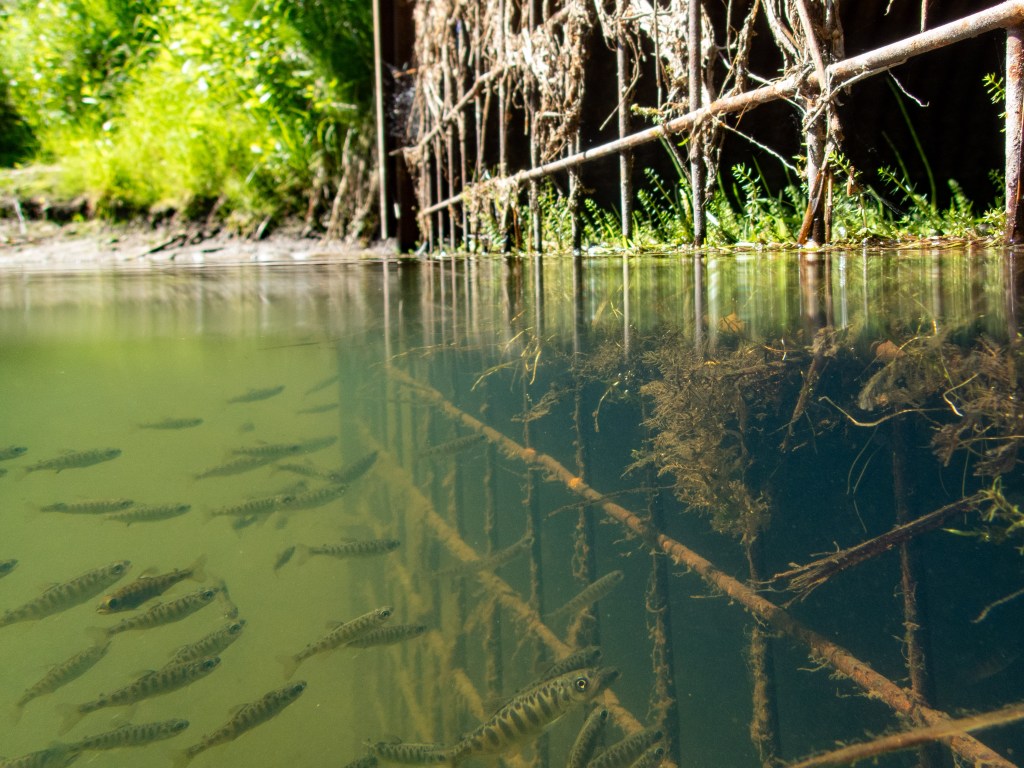
One highlight of the summer’s fieldwork was monitoring a school of juvenile Chinook salmon parr and the disconnected water bodies around them, about 45 miles east of Fairbanks, a stone’s throw from Chena Hot Springs Road (below photo). An oxbow slough here was once part of the mainstem Chena River and core salmon spawning grounds but is now only connected to the mainstem via a small culvert on its downstream end. The culvert was rated “green” on the ADF&G fish passage mapper, but the team found its upstream end completely blocked by debris. A school of 50+ Chinook parr were parked in front of the downstream grate of this culvert from June through September. The salmon were holding station in warm water flowing out of the slough, potentially to grow faster than they could in the cooler river water. The culvert grate was cleaned off multiple times during the summer, leading to changes in water level, temperature, and dissolved oxygen that the team monitored with sensors, but each time it was quickly blocked again by beavers.
The project, funded by the Alaska Climate Adaptation Science Center, also supported fieldwork by the Yukon River Drainage Fisheries Association to survey road culverts and other restoration opportunities and conduct Traditional Knowledge interviews in rural communities in the Yukon River Basin, including in the community of Saint Mary’s and along the Dalton Highway corridor.
The team is coordinating with restoration practitioners in the region and would love to hear how they can produce useful information and decision-support tools to support your restoration efforts. Please contact Erik Schoen at eschoen@alaska.edu if you would like to connect.
Interested in learning more? Read some background on the group’s efforts from this update in our Spring 2025 newsletter.
Click on the links below to read additional media articles published about the group’s 2025 accomplishments:
 Arctic Beringia Fish Ecology