2025 Yukon River drainage chum salmon fieldwork and outreach

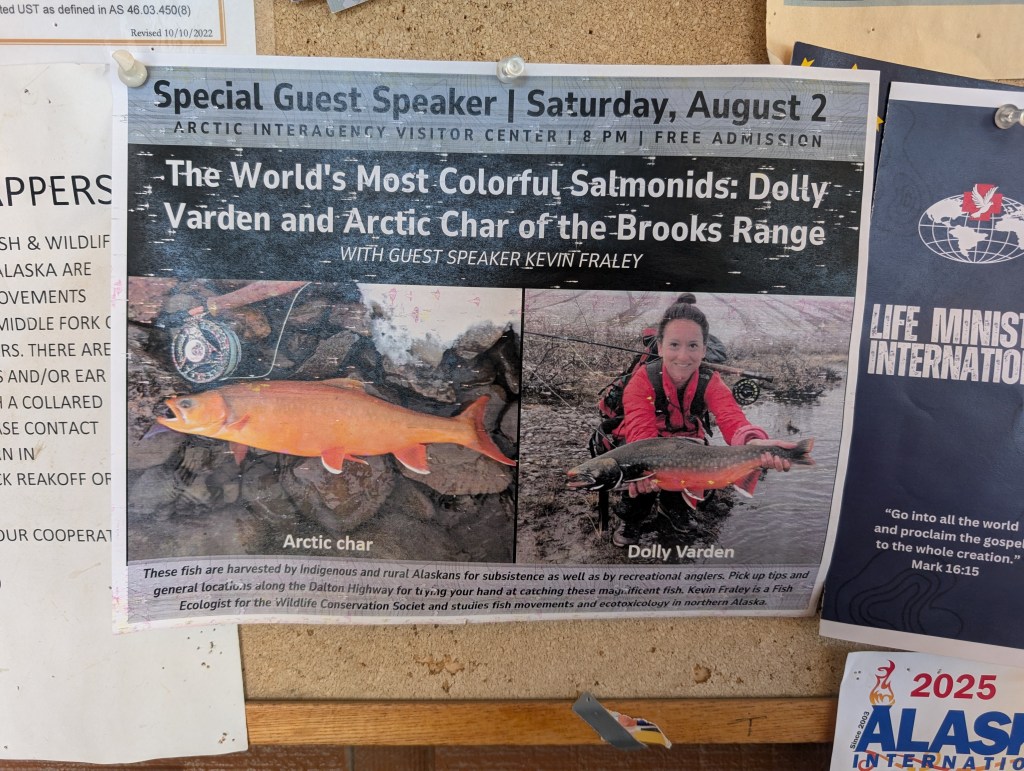
WCS Fish Ecologist Kevin Fraley drove the Dalton and Parks Highways in August and September 2025 to conduct fieldwork relating to a chum salmon pre-spawning mortality research project. Read more about the project background and goals here. This consisted of four packraft and on-foot trips to count chum salmon carcasses, assess for pre-spawn mortality, and investigate causes of mortality at Koyukuk and Nenana River tributaries (see map below). Additionally, Kevin presented two evening programs on fish ecology and WCS’ research at the Arctic Interagency Visitor Center in Coldfoot, AK.

Fieldwork
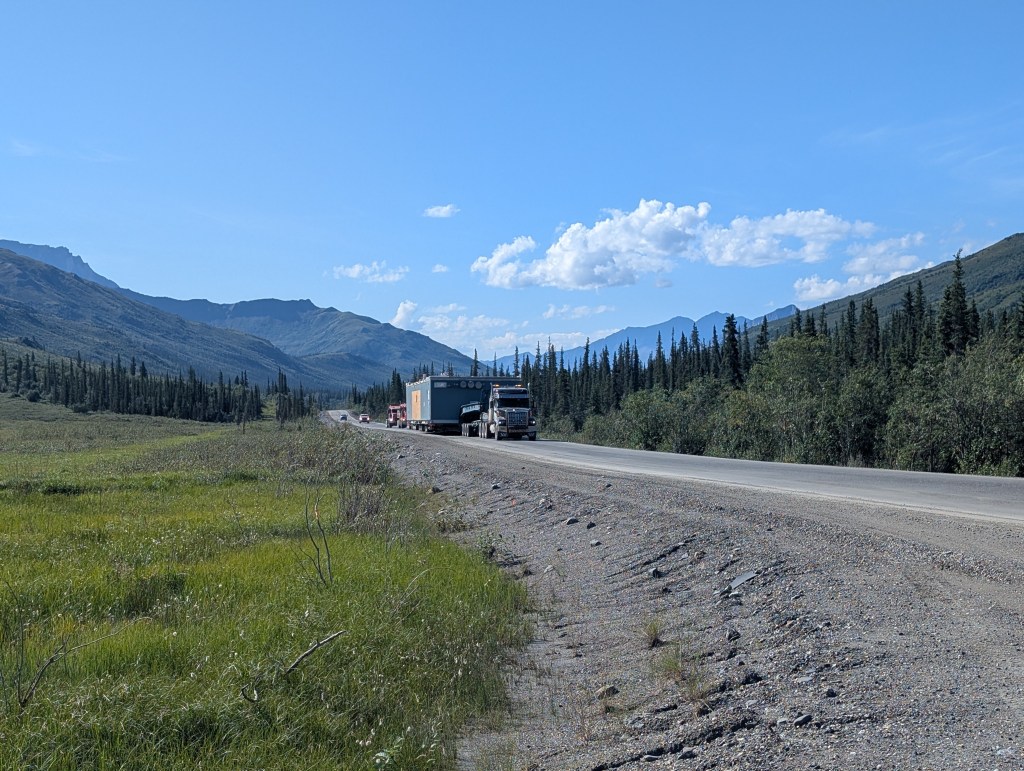
In early August, WCS Fish Ecologist Kevin Fraley drove up the Dalton Highway from Fairbanks, Alaska and surveyed known chum salmon spawning locations along the Jim River, South Fork of the Koyukuk River, and Slate Creek. Weather conditions were perfect for the survey, with creeks flowing low and clear, potentially allowing for easy viewing of spawning salmon and providing ample gravel bars for salmon carcasses to wash up on.
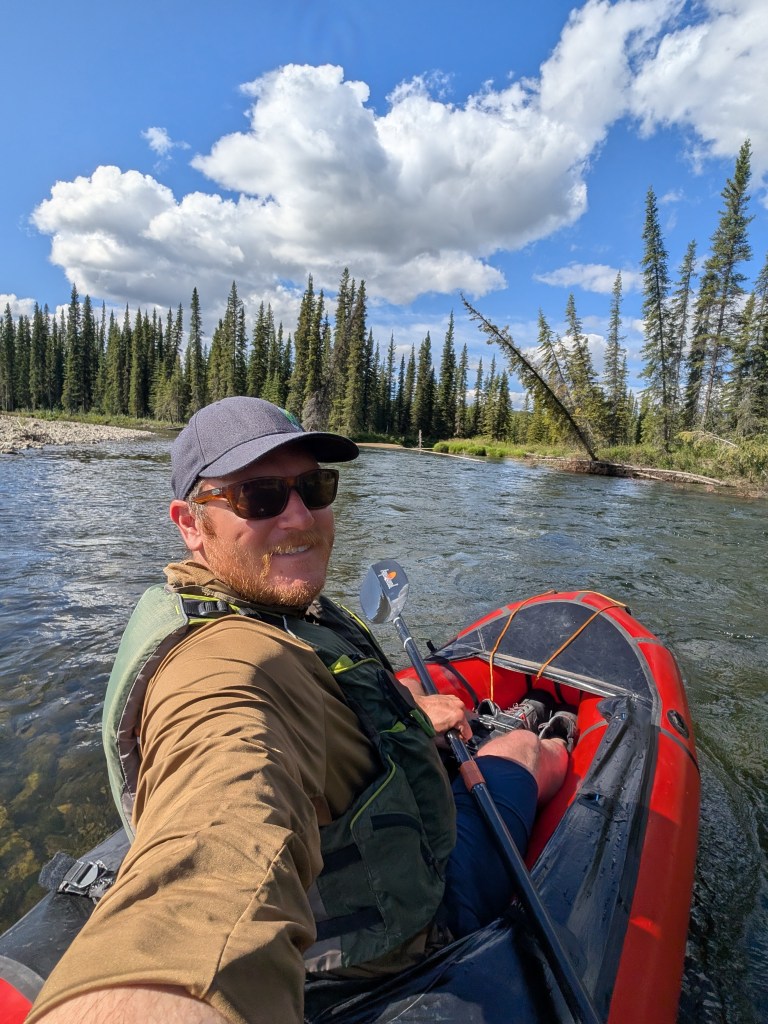
19 miles of the Jim River were floated via packraft, over the course of three days. This included areas where local residents and radio-tracked data points had indicated that past chum salmon spawning occurred (i.e., 10+ years prior), at this same time of year.
These prior efforts, which included radio tracking to establish salmon spawning locations and DNA sampling to build a genetic portfolio of Yukon River populations were undertaken by the Bureau of Land Management and by a resident of Wiseman, AK on behalf of ADFG from 2009-2013. There is very little recent data on Jim River salmon, and the BLM has prioritized this population as well as other small tributaries (e.g., Slate Creek) along the Dalton Highway, for updated studies.
During the 2025 survey, several live Chinook salmon were seen, as well as multitudes of Arctic grayling, round whitefish, and longnose suckers, but not a single adult chum salmon (live or dead) was observed. Thus, no carcasses could be assessed and sampled for the project from this location.
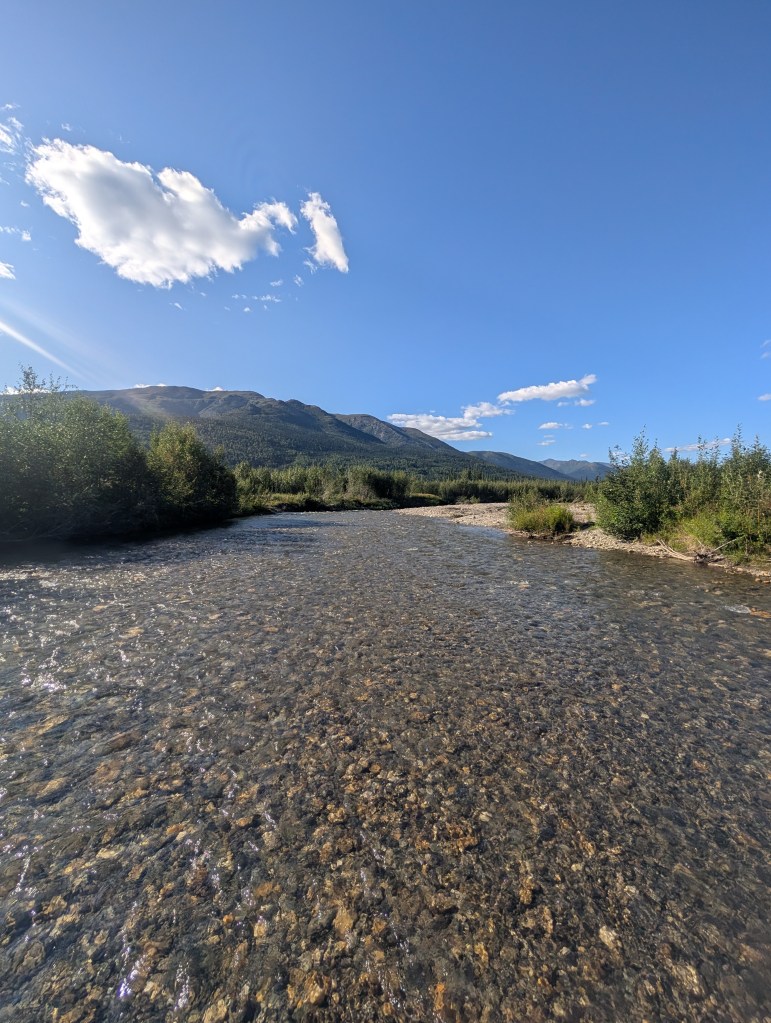
Two visits to both Slate Creek (above photo) and the South Fork of the Koyukuk River were conducted in August. Similar to the Jim River surveys, areas where chum salmon had previously been observed spawning were searched on foot. No chum salmon were located at these locations either. Evidence of some potentially unauthorized gravel movement and equipment operation in Slate Creek was reported to the BLM and Alaska DEC to be followed up on. Such activities are not allowed in a stream harboring anadromous fish species (i.e., listed as an Alaska “anadromous water”) without permits.
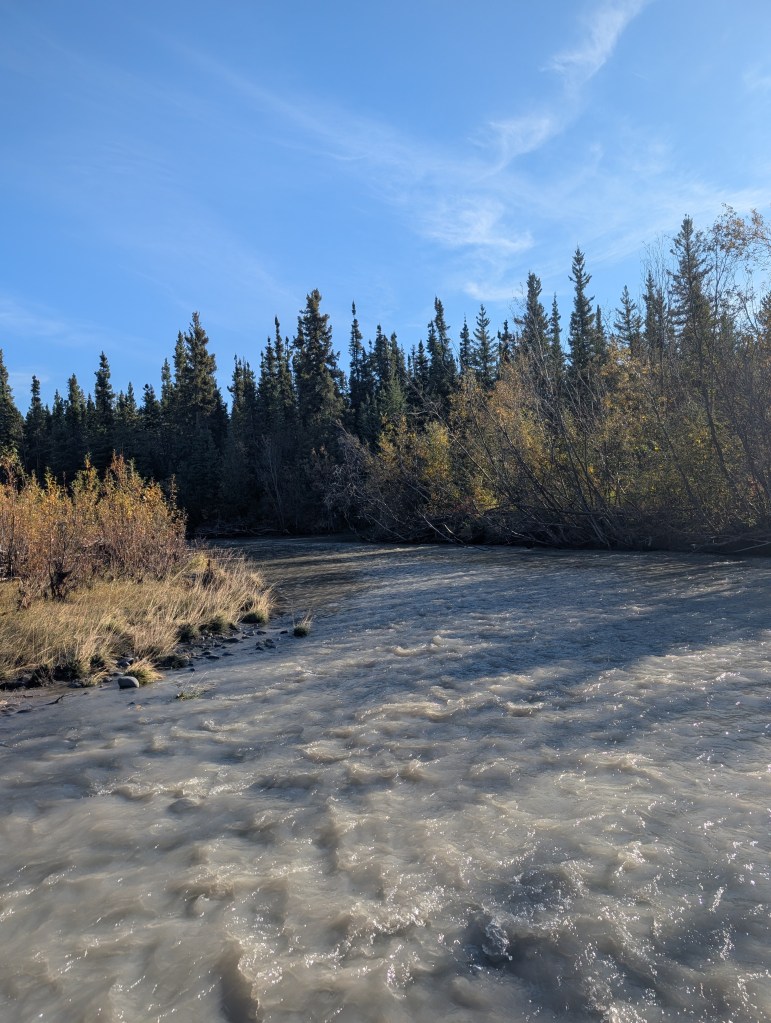
Finally, Kevin Fraley undertook two visits to known chum spawning sites in the Nenana River drainage in September to conduct spawning and carcass surveys.
Similar to the Dalton Highway sites, on-the-ground chum salmon spawning surveys have not been conducted at these small tributaries in over a decade, since Kevin Fraley counted salmon at these locations while working for the Bering Sea Fishermen’s Association from 2009-2011. The Alaska Department of Fish and Game has undertaken periodic aerial surveys of some of these tributaries, but any counts of chum salmon from helicopter are unreliable as this species blends in very well with the stream background (the aerial surveys focus on the red-colored coho salmon). Thus, collecting updated information on the chum salmon spawning populations in the drainage is overdue, especially given drainage-wide abundance declines that have occurred since the last on-foot surveys.
While coho salmon were observed, no chum salmon were encountered during 2025 surveys. One of the candidate tributaries visited was not correctly represented in the Alaska Department of Fish and Game’s Anadromous Waters Catalog, due to beaver damming and the changing hydrology of the Nenana River. So, a geographic correction was submitted to state officials to update the records.
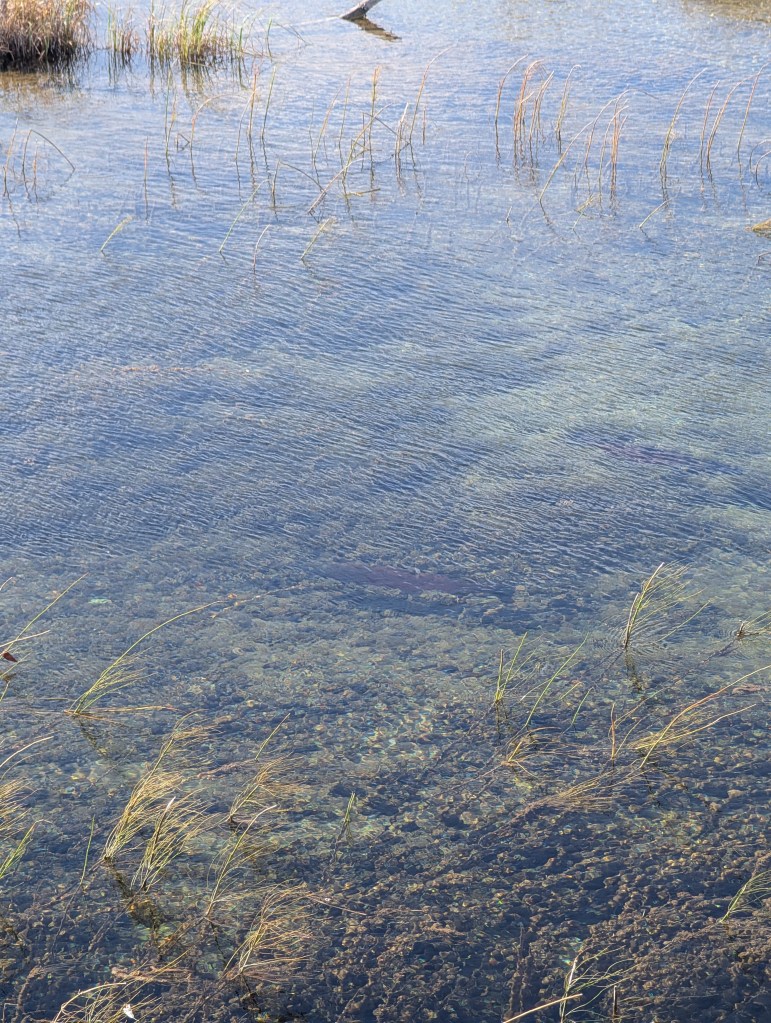
The unfortunate take-away from all these surveys is that the drainage-wide decline of Yukon River chum salmon over the past 5-10 years has taken a disproportionately large toll on smaller spawning populations such as the ones that were previously found at the sites visited. Populations in smaller tributaries that once held just dozens, or hundreds, of fish may have have become extirpated. This is bad news for Yukon River drainage chum salmon as it diminishes the “bet-hedging” that is inherent in multiple, geographically and genetically diverse spawning populations.
Outreach
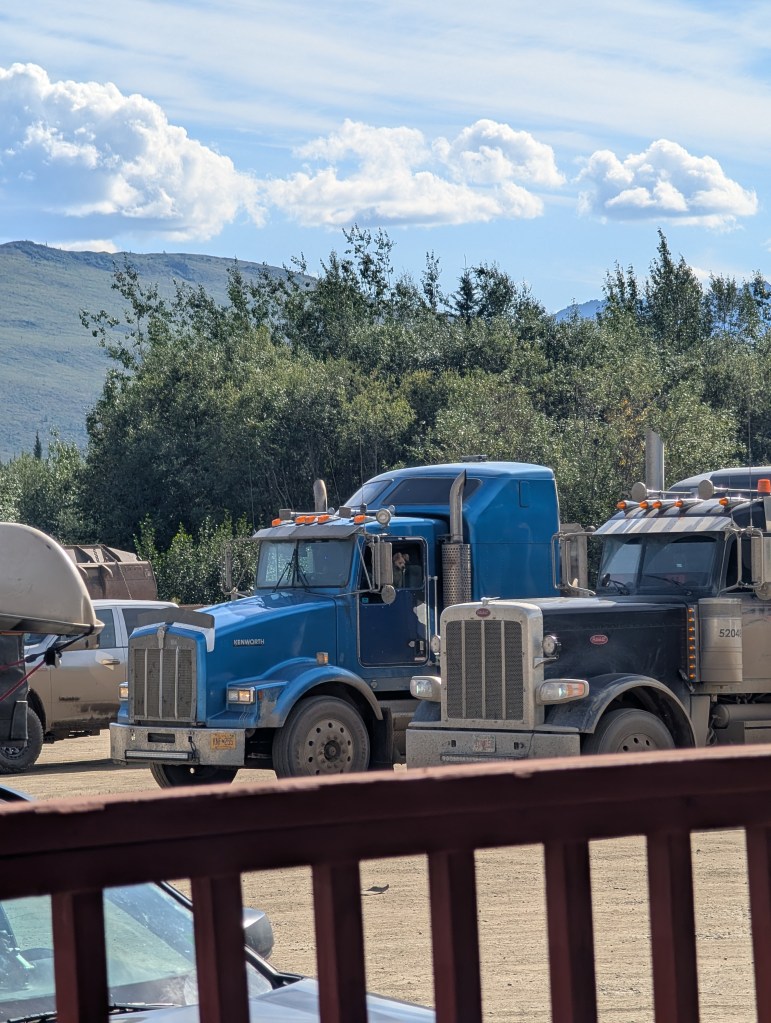
During the visit to survey the Jim River and other Dalton Highway sites, Kevin Fraley gave two evening talks at the Arctic Interagency Visitor Center in Coldfoot, AK. The talks covered various fish ecology and research topics and findings that are relevant to the Brooks Range and the Dalton Highway area.
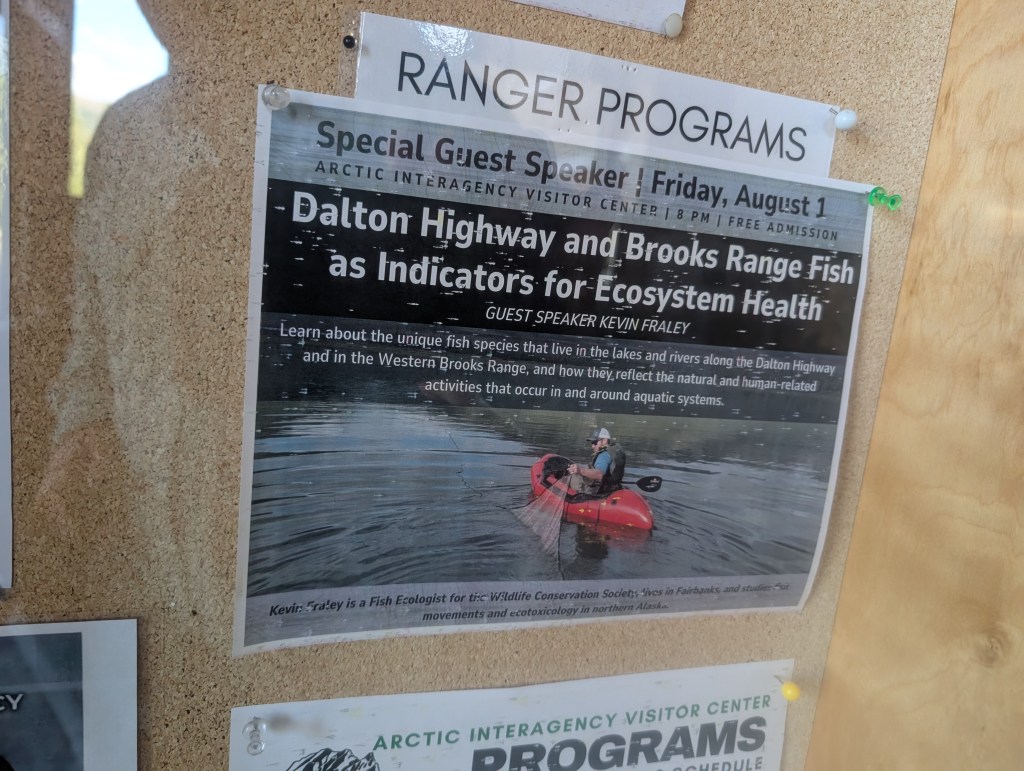

The talks attracted small but engaged audiences that consisted of tourists, Alaskans, and Coldfoot residents who happened to be passing through the area, camping, or working. It was great to have an opportunity to share information from studies that are interesting to the public and relevant to the Brooks Range region, and the Arctic Interagency Visitor Center provides a wonderful venue for doing this.
Next Steps
Because of the lack of spawning chum salmon found at the sites that were visited in 2025, fieldwork in 2026 will focus on several different Koyukuk River locations away from the road system that historically held more-abundant runs (i.e., thousands of spawning adults), allowing for a higher likelihood of encountering sufficient salmon carcasses to meet project goals. These sites will potentially include locations in the Hogatza River drainage and Alatna River drainage, and will similarly be surveyed to locate, assess, and sample salmon carcasses to investigate rates and causes of pre-spawning mortality.
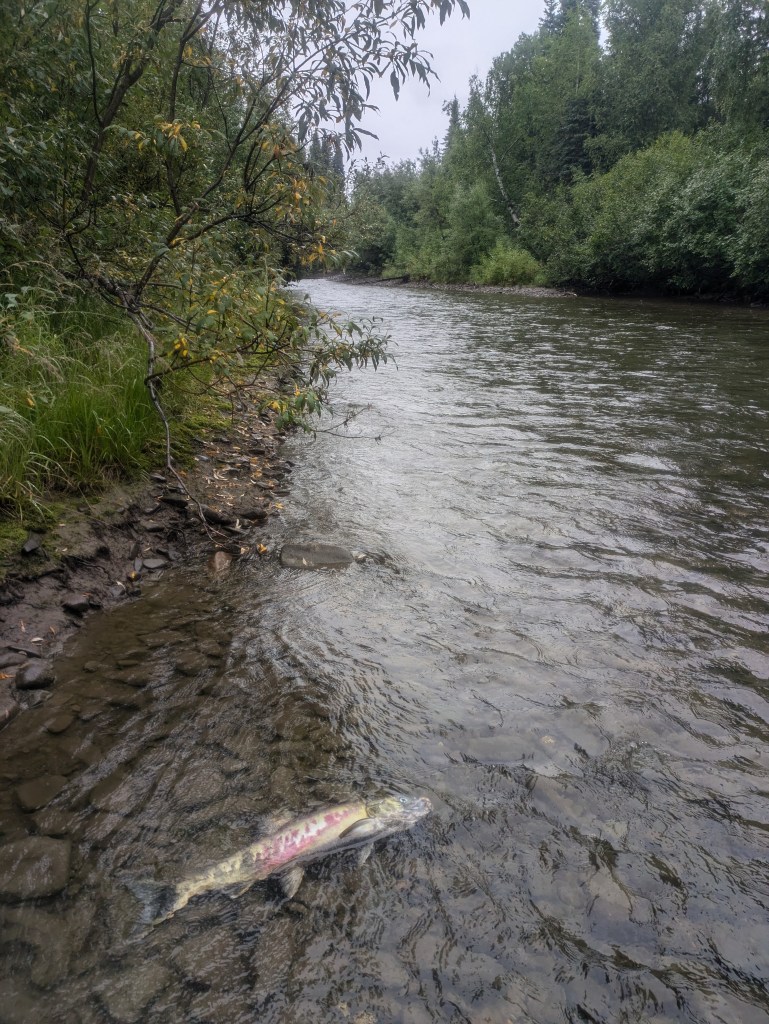
If time and budgets allow, attempts will be made in 2026 to visit the Dalton and Parks Highway sites surveyed in 2025, to ascertain if the absence of spawning chum salmon at these locations was a single-year anomaly, or is evidence of a longer-term extirpation. These follow-up visits will likely allow for additional fish ecology outreach presentations to be made at the Arctic Interagency Visitor Center, if there is interest from agency staff in hosting WCS for more talks.
 Arctic Beringia Fish Ecology