“Legacy Mine Cleanup Act,” which could be utilized to rehabilitate streams affected by historic mines, advances in the U.S. Senate
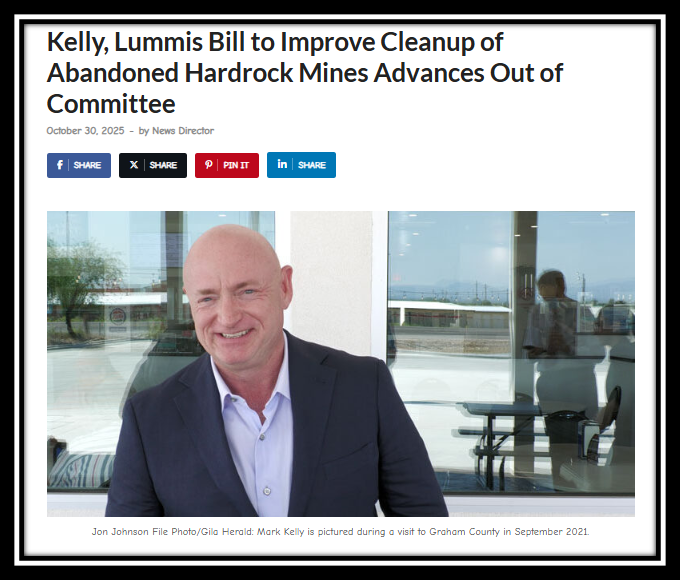
A bipartisan bill which would clear hurdles for environmental cleanup at old, abandoned mine sites throughout the U.S. has advanced from the Natural Resources Committee of the Senate and may now receive a vote on the Senate floor.
This act would not pay for rehabilitation of lands and waters contaminated or devegetated by old hardrock mines, but would make it easier for Native American Tribes, local governments, or other “Good Samaritans”‘ to fund and facilitate cleanups. This could include sites in Alaska, within the Yukon River drainage, that may be affecting rearing or spawning salmon habitat.
Read more about the details and the background of the bill in the excellent article here.
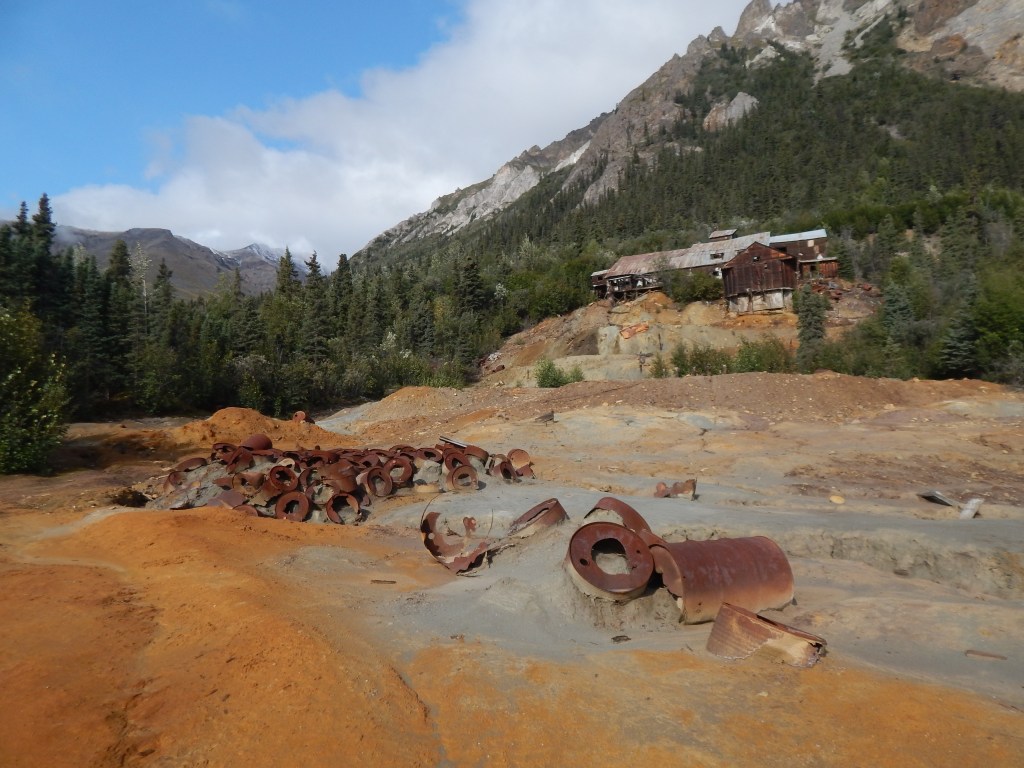
Sites that would be potentially eligible under this bill, if it passes, include the following:
The Nabesna Mine in Wrangell-St. Elias National Park (see photo above), which affects streams that drain into the Chisana River within the Yukon drainage. Read more about the mine, types of contamination, current status, and evaluation efforts at the link here.
The Stampede Mine in Denali National Park, which affects a salmon spawning and rearing stream along the Toklat River, within the Yukon River drainage. Read more about this mine and the contamination present at the link here.
There are likely many more sites similar to these within the Yukon River drainage that could also be eligible, and their rehabilitation may benefit freshwaters and salmon
 Arctic Beringia Fish Ecology