July 2025 Point Hope, AK Rusting Rivers Fieldwork
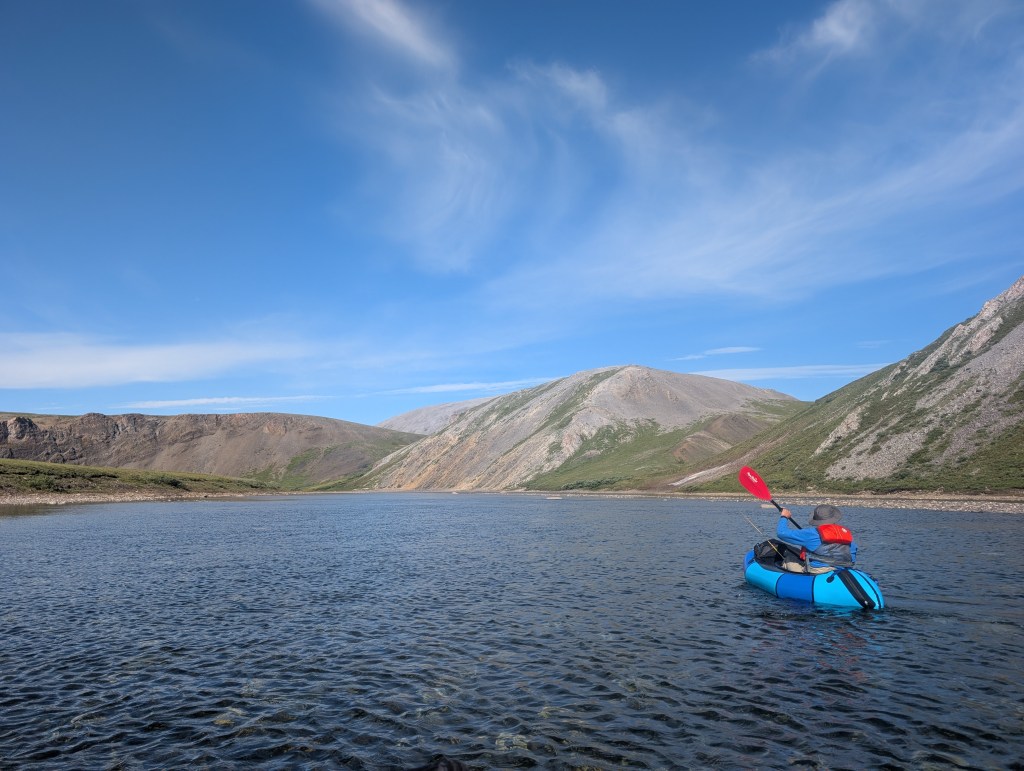
WCS Fish Ecologist Kevin Fraley and volunteers traveled to Point Hope, Alaska in July 2025 to conduct fieldwork relating to our Kukpuk River Rusting Rivers/Arctic grayling research project. This consisted of two fly-in, float out packraft trips to collect fish samples and sediment for testing. Read more about the project background and goals here.

Leg 1: Ipewik River
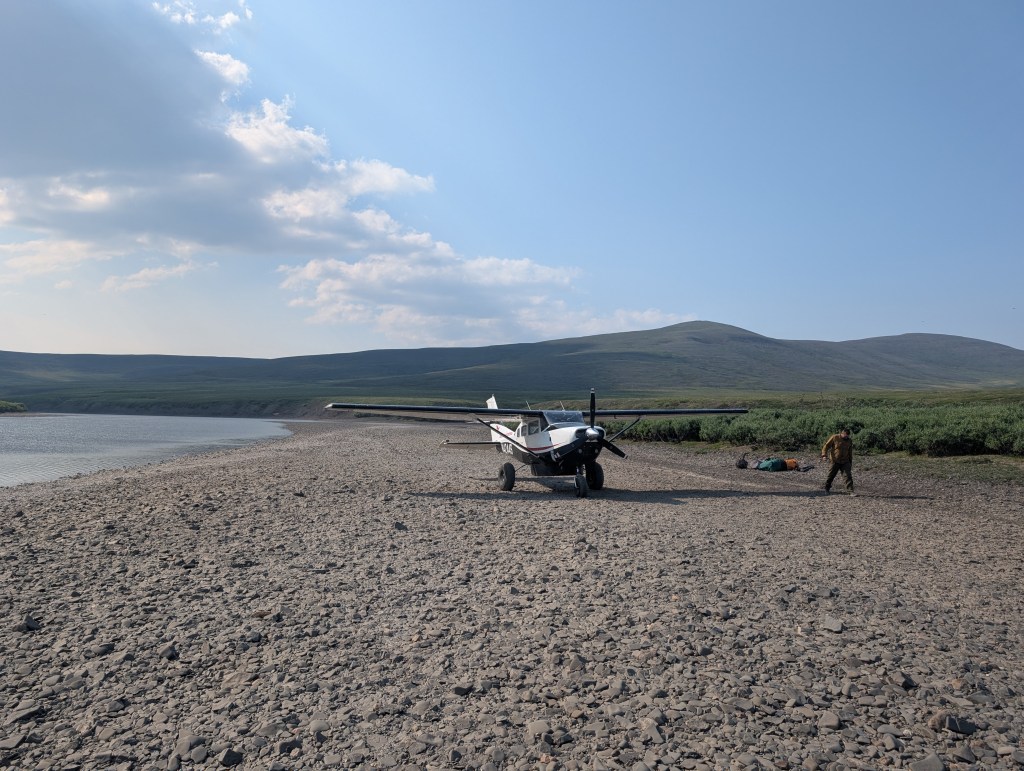
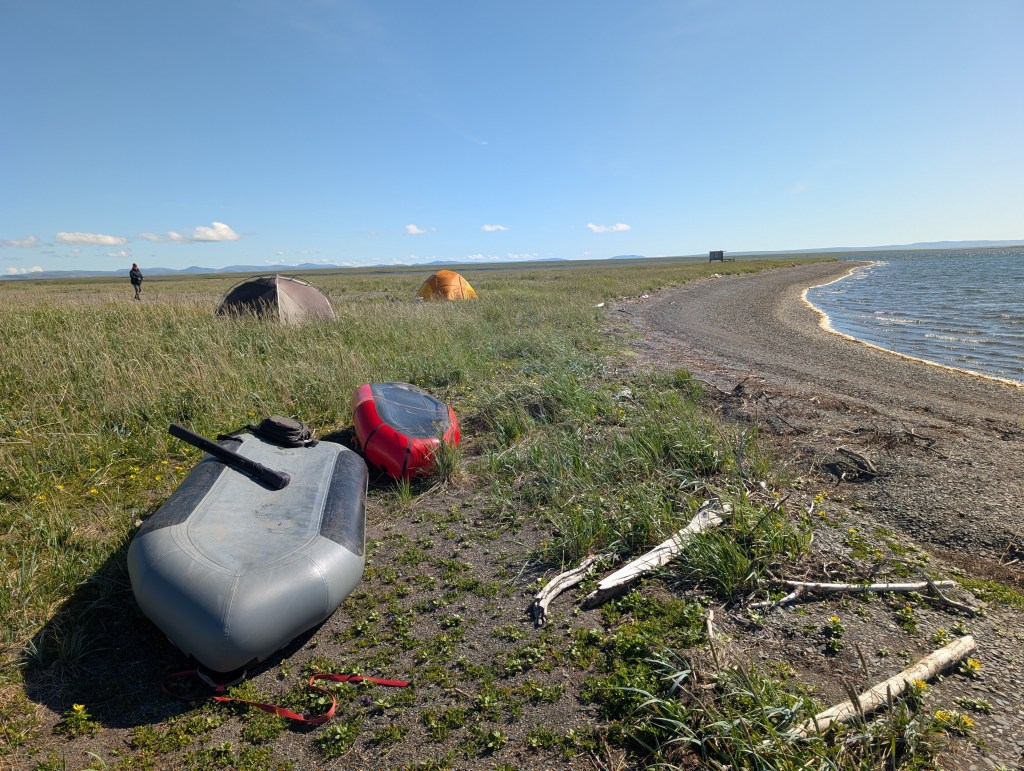
In mid-July, WCS Fish Ecologist Kevin Fraley and volunteer Carl Deloof were dropped off approximately 50 miles upstream on the Ipewik River, with the plan to float for 6 days down to Marryat Inlet along the Chukchi Sea coast and collect Arctic grayling and sediment samples for contaminants analyses.
The Ipewik River was selected as a control reach for the study, because there are no rusty orange seeps in this tributary, compared to the several that are present in the mainstem Kukpuk River in the same drainage.
Rusty mineral seeps are caused by permafrost thaw, and have become more common throughout northern Alaska since 2018. Read more about this phenomenon here. Initial studies have focused on the water chemistry and effects on aquatic invertebrates, but a fish-focused investigation has not been published. Therefore, we wanted to investigate if these mineral seeps caused increased levels of heavy metal contaminants in the food web and in Arctic grayling, an important subsistence harvest species for residents of Point Hope, AK.
Floating and fishing conditions on the Ipewik River were difficult, with high winds and lots of rain. Unfortunately, grayling were not encountered, but sediment samples were collected. The grayling were absent from the stretch that was floated and were likely distributed far upstream, or over in the main Kukpuk River. Because of this result, we shifted focus to comparing contaminant loads of Kukpuk River grayling to results from other northern Alaska studies, rather than having a control sample from the Ipewik.
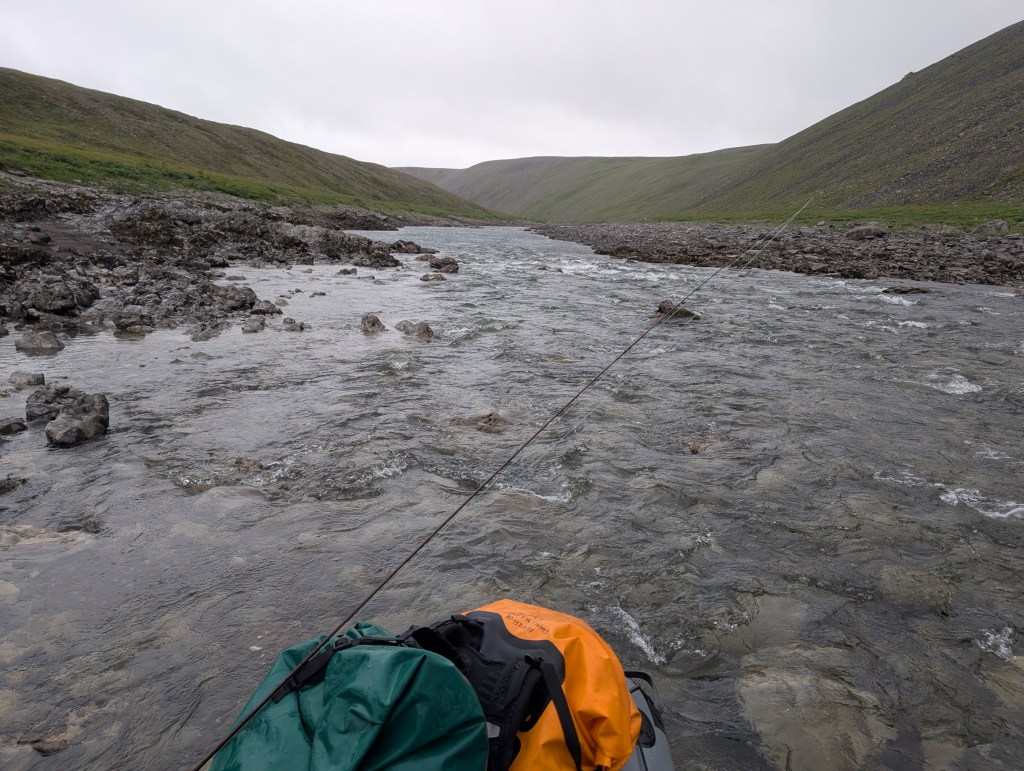
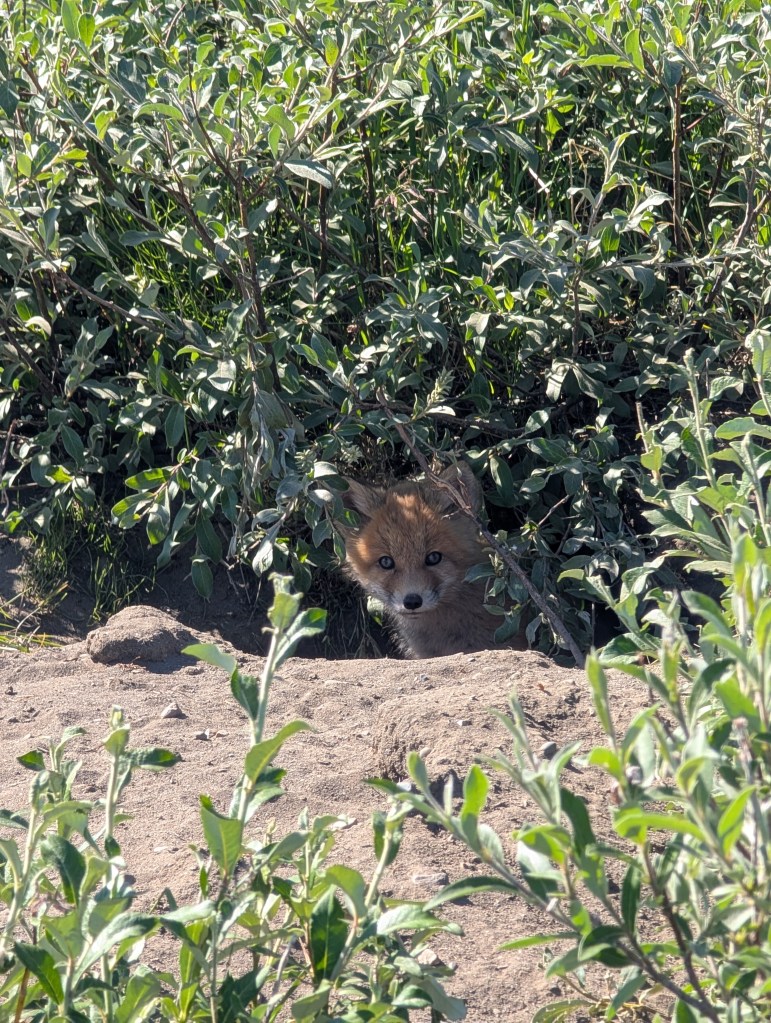
Despite the difficulty of floating and fishing, the scenery and wildlife viewing along the float were stellar.
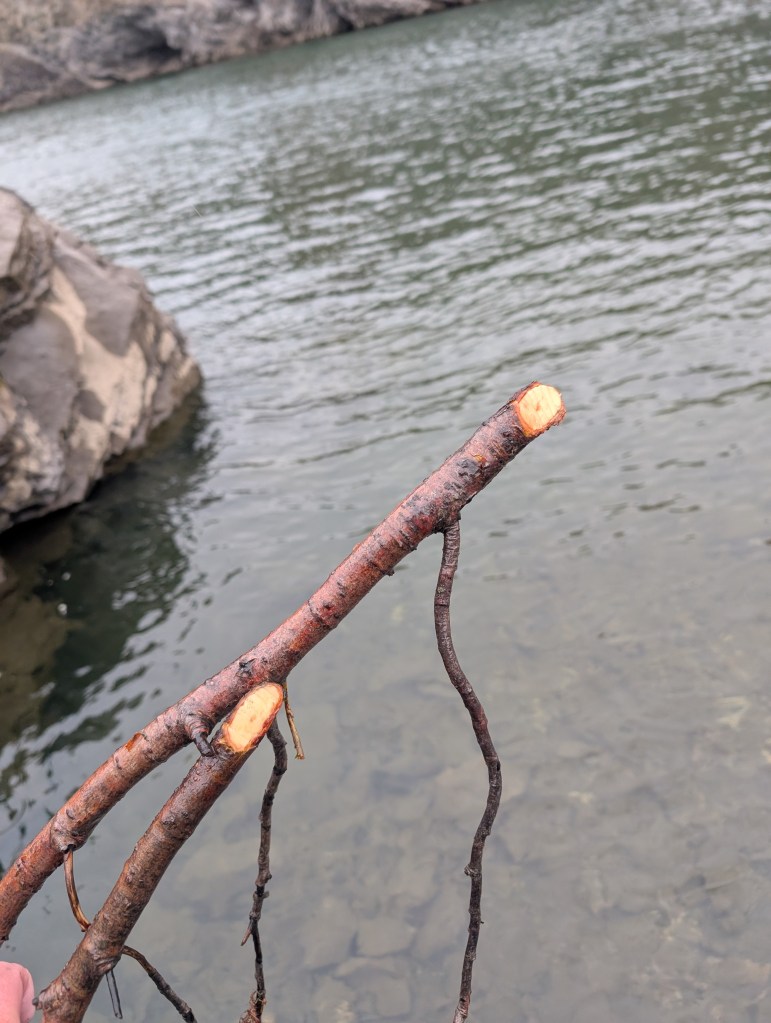
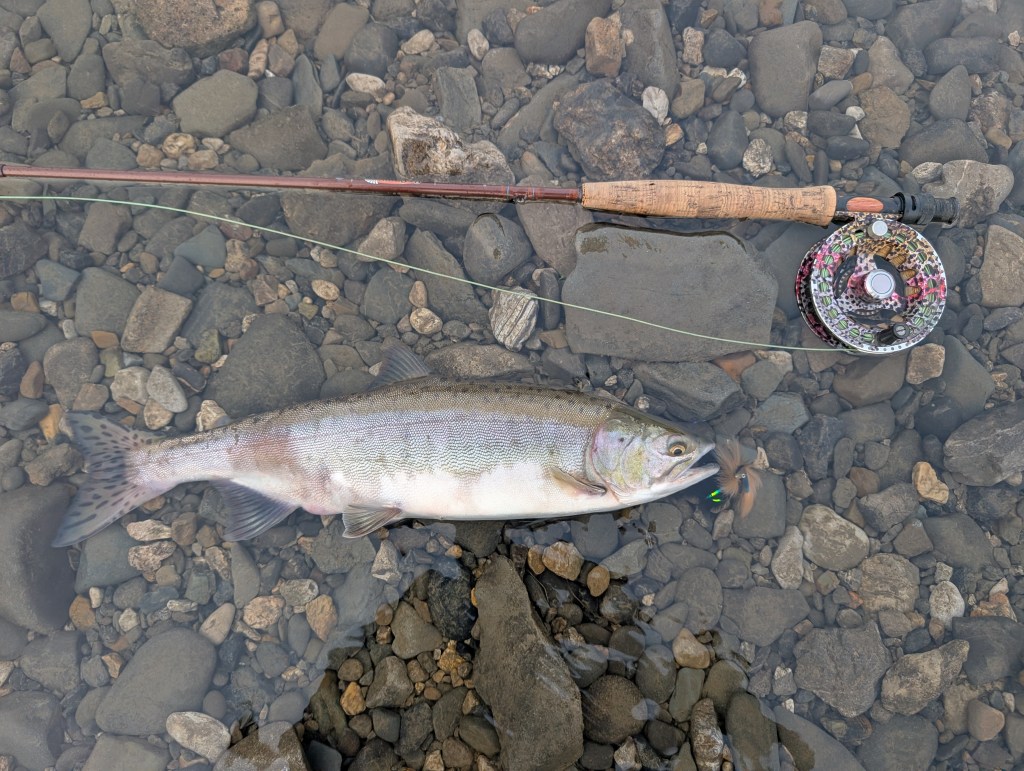
A chum salmon was caught on the float, and a fin clip was taken to provide to the ADFG Salmon Genetics lab. Additionally, sighting of beaver-chewed sticks were forwarded on to researchers who are interested in the expansion of this species into new river drainages throughout Northwest Alaska. This was the first beaver observation reported for this river drainage by scientists, though locals from Point Hope noted that they occasionally encounter beavers and river otters in the area
Once we joined the mainstem Kukpuk River, we floated approximately 25 miles down into Marryat Inlet, a lagoon along the Chukchi Sea coast. Several important fishing locations were denoted by clusters of cabins along the lower river, where Native Alaskans from Point Hope go to catch salmon, grayling, and Dolly Varden.

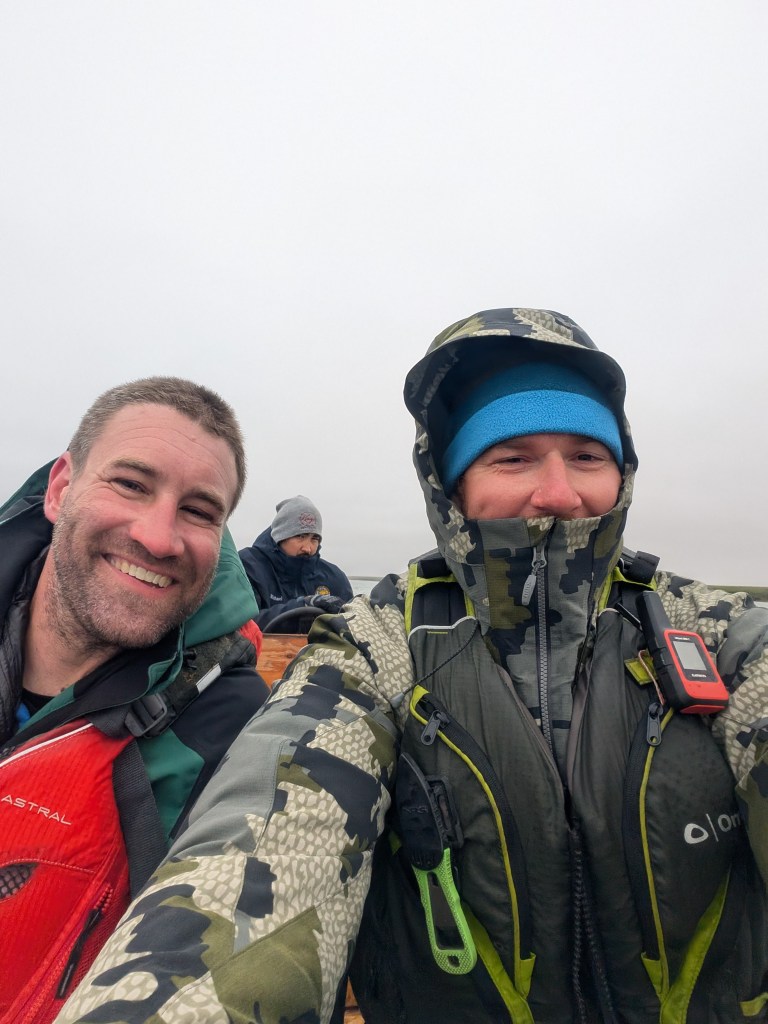
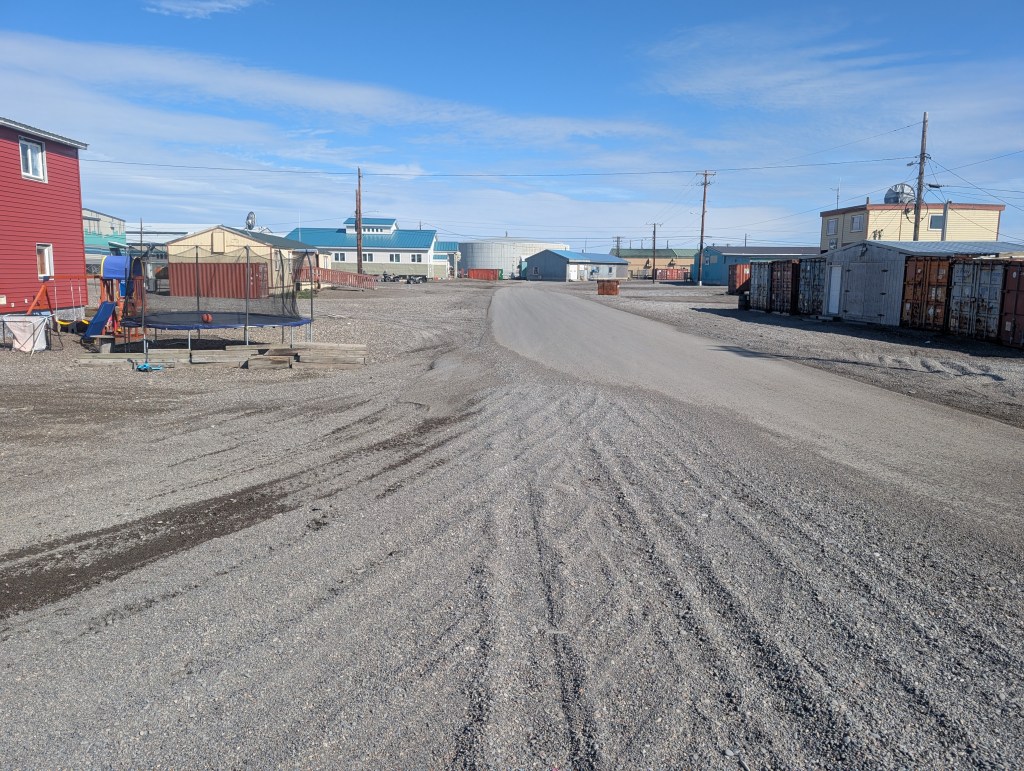
When we arrived at the Inlet, a local contact from Point Hope was very generous to pick us up in his boat, allowing us to avoid an 8-mile crossing of the lagoon to reach the village.
Leg 2: Kukpuk River
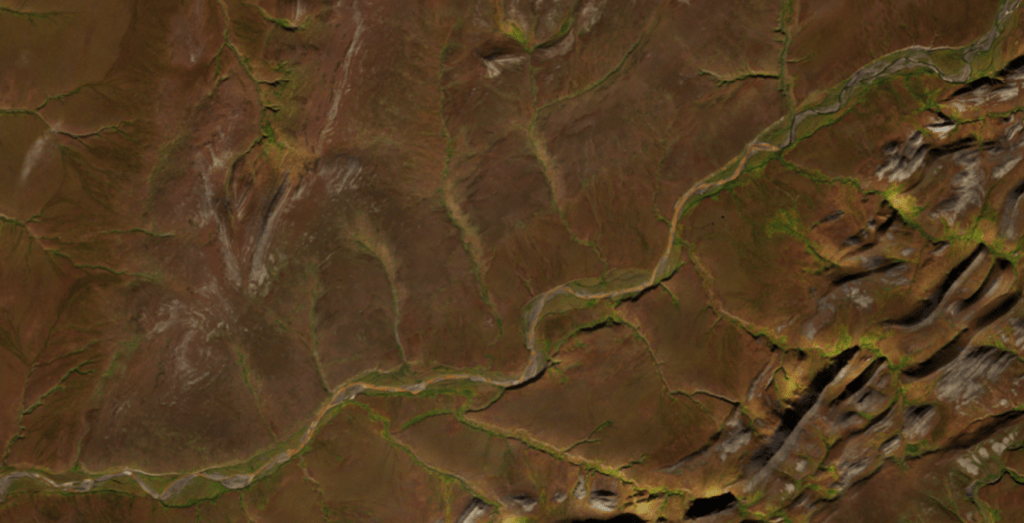
After a short stay in Point Hope, Fish Ecologist Kevin Fraley and volunteer Jeanne Laurencelle flew into the upper Kukpuk River and were dropped off approximately 100 miles upriver from Marryat Inlet to begin the second leg sampling float, which would take 9 days. The location where we were dropped was just downstream of several of the rusty seep locations. Because of limited availability of gravel bars for landing bush planes, and low water upstream, we did not float past the seeps.

Fortunately, we encountered grayling almost immediately after being dropped off, and began collecting fish muscle tissue and sediment samples as we floated along. Grayling were concentrated high in the river in the first ten miles of the float, and then we found very few fish until we floated all the way down to one of the cabin clusters along the lower river, many days later. The population in the river seems to be at fairly low abundance, and very patchily distributed during this summer feeding season. Locals noted that the fish move downstream to the subsistence fishing cabin areas in the autumn to overwinter.
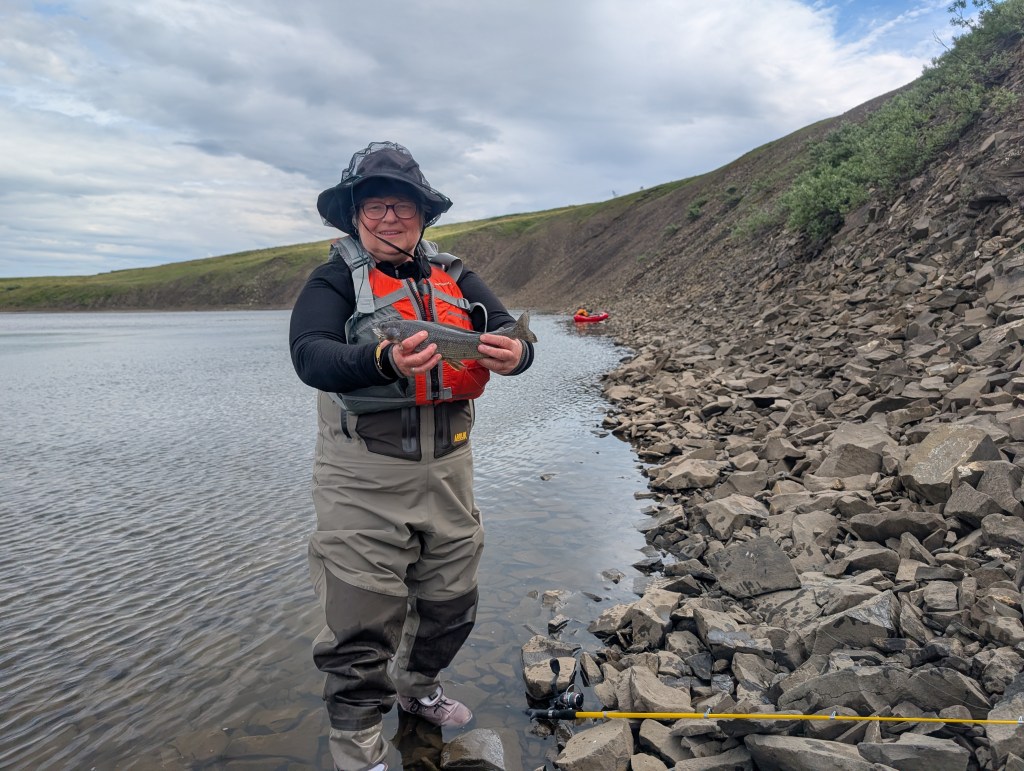
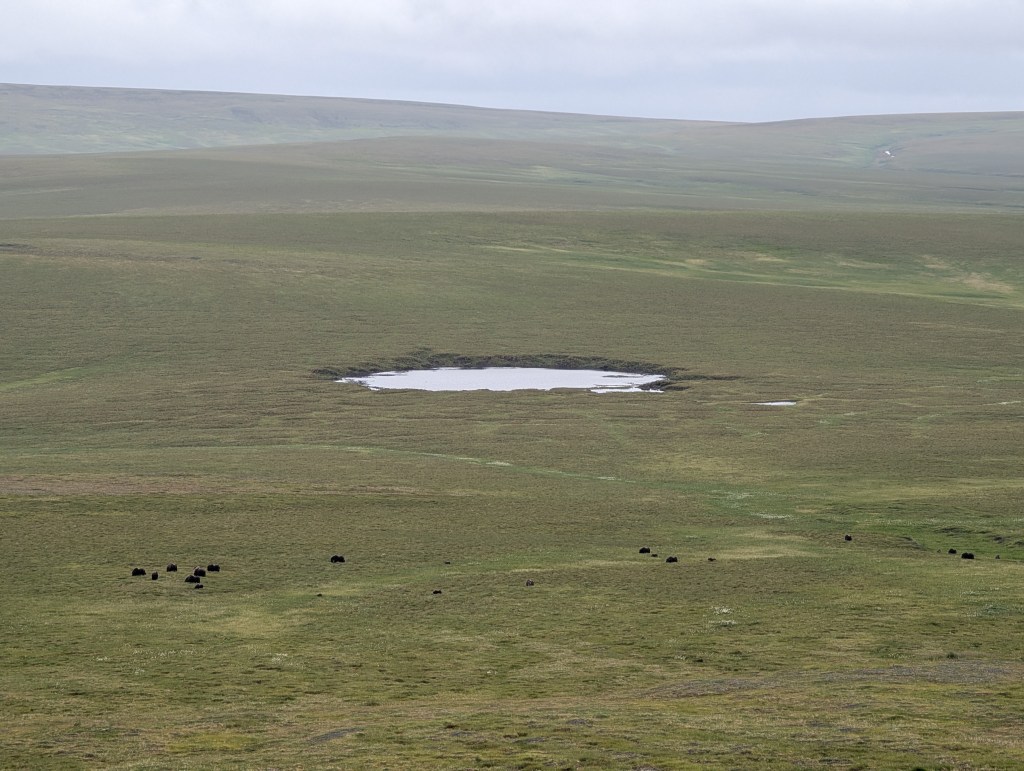
The weather for this second float was much more conducive to paddling and sampling, compared to the heavy wind and rain during the first leg. Caribou, musk oxen, red foxes, and many breeding birds were seen along the float
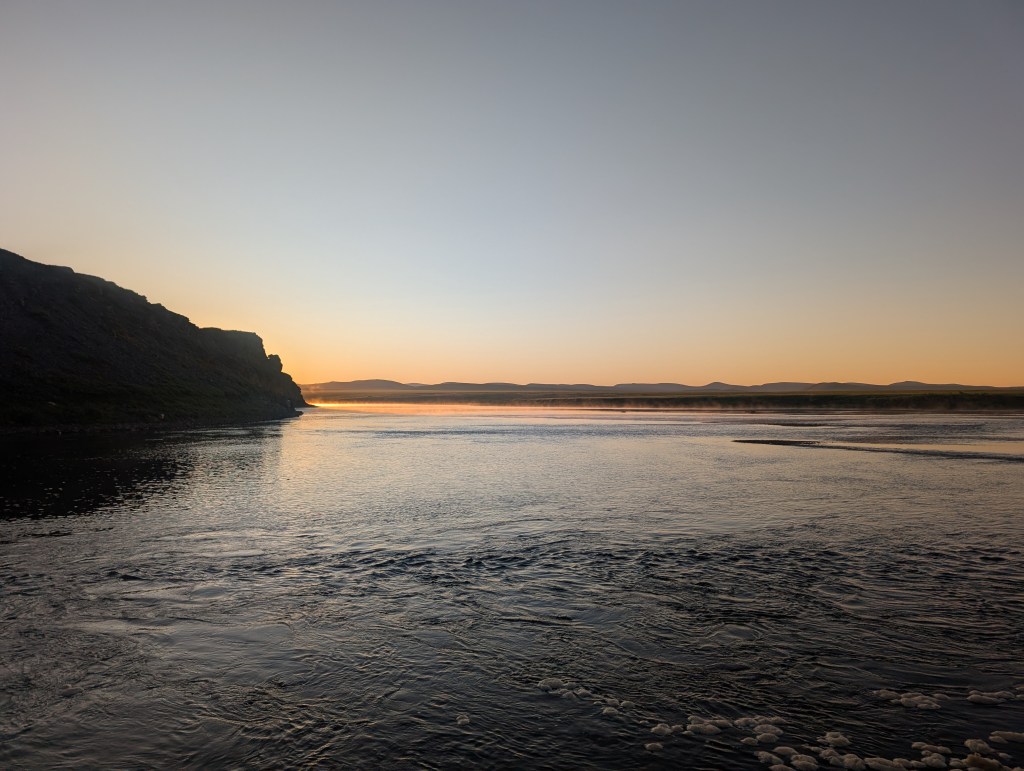
Similar to the first float, salmon were captured and fin clipped for use by the ADFG Salmon Genetics lab. A beaver was also sighted in the Kukpuk River just before the confluence with the Ipewik River, and this encounter was filmed and passed along to UAF beaver researchers.
As before, a local contact gave us a boat ride back to Point Hope across Marryat Inlet. The interest and involvement of the people of Point Hope was critical for this study to be planned and accomplished, and we look forward to sharing our findings with the community in the near future.
In Point Hope, we organized and dried out gear and met with key contacts, before taking a small commercial flight back to Kotzebue, then Alaska Airlines flights back to Fairbanks.

Next Steps
The fish and sediment samples that we collected will be prepared for shipment to an analytical laboratory, where concentrations of heavy metals that are known to be elevated from the output of rusty seeps and can accumulate in sediment and tissue will be tested. This includes mercury, copper, iron, cadmium, arsenic, and others. Once these results are returned, we will compare the levels of metals to Arctic grayling from other locations in northern Alaska to ascertain whether they are elevated in Kukpuk River fish. We will also compare the levels of mercury in the fish tissue with fish consumption guidelines produced by the State of Alaska to identify any implications for human health.

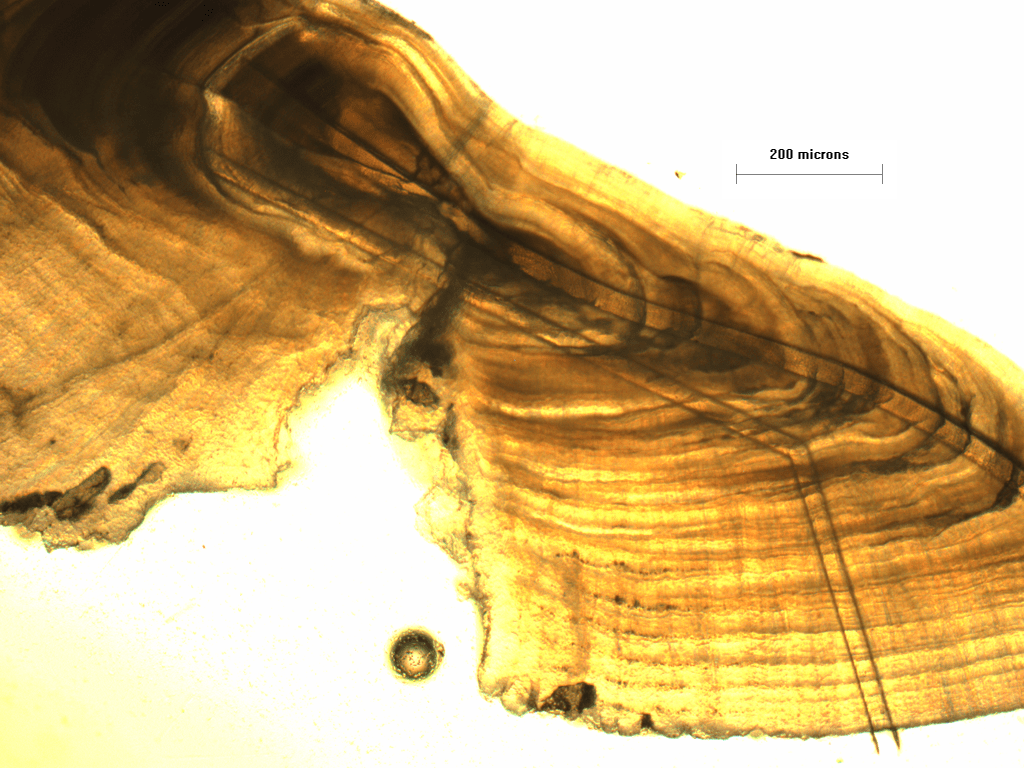
We also may analyze the earbones (otoliths) of the grayling that were sampled, to see if levels of metals have increased as rusty seeps have become more common since 2018. The method used is called otolith microchemistry, and the levels of certain contaminants can be assessed from the otolith as material is laid down over the fish’s life.
The results will be published on this website, and we will hold a community meeting in Point Hope in 2026 (similar to the one we held in 2023) to share the findings, get input from community members about the study, and talk about potential future work in the area.
 Arctic Beringia Fish Ecology