University of Alaska Fairbanks Coal Creek Project
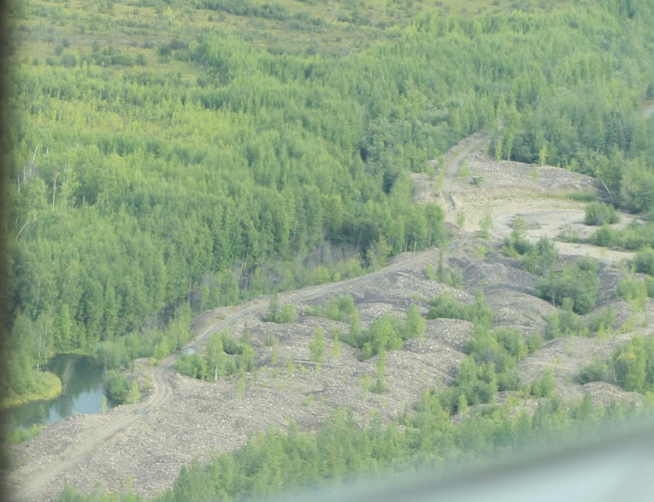
Thomas House at the University of Alaska Fairbanks is currently conducting a bioenergetics study at historically mined Coal Creek in Yukon-Charley Rivers National Preserve as a part of his master’s thesis. Coal Creek is tributary of the Yukon River and has the potential to support populations of rearing Chinook salmon, as they have been documented in lower reaches near the creek’s confluence with the Yukon River. The historic mining heavily impacted upper reaches of the waterway resulting in channel straightening, reduced riparian cover, reduced temperatures and increased stream velocity. These changes present an energetic challenge for fish as they increase metabolic demands while the macroinvertebrate prey fish reply upon for food is reduced.
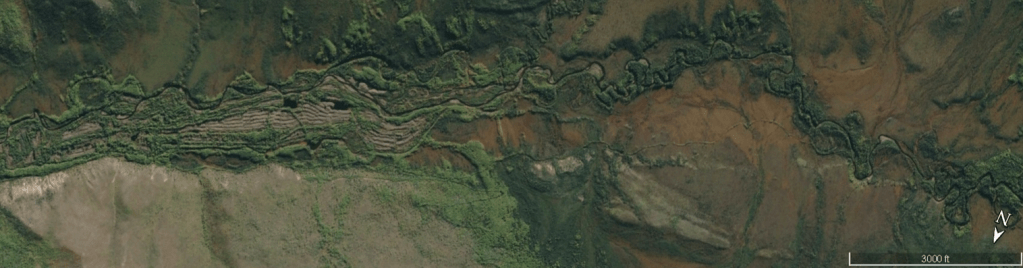
In his study House seeks to quantify energy available to these fish by measuring in-situ macroinvertebrate biomass and allochthonous inputs from the riparian zone and inputting these measurements, as well as temperature into a bioenergetic model to assess growth potential for juvenile Chinook salmon between Coal Creek and nearby unmined reference streams. This work would highlight the impacts that dredge mining can have in a high latitude system and provide managers and other environmental decision makers with the tools they need to guide any future restoration work aimed at improving salmon habitat. This work is supported by the Gravel-to-Gravel Initiative, a multiagency partnership that focuses on conservation, restoration and stewardship of Pacific salmon habitats.
For more information on this project, contact tfhouse@alaska.edu
 Arctic Beringia Fish Ecology