Jan and April 2025 Arctic Slope Fieldwork
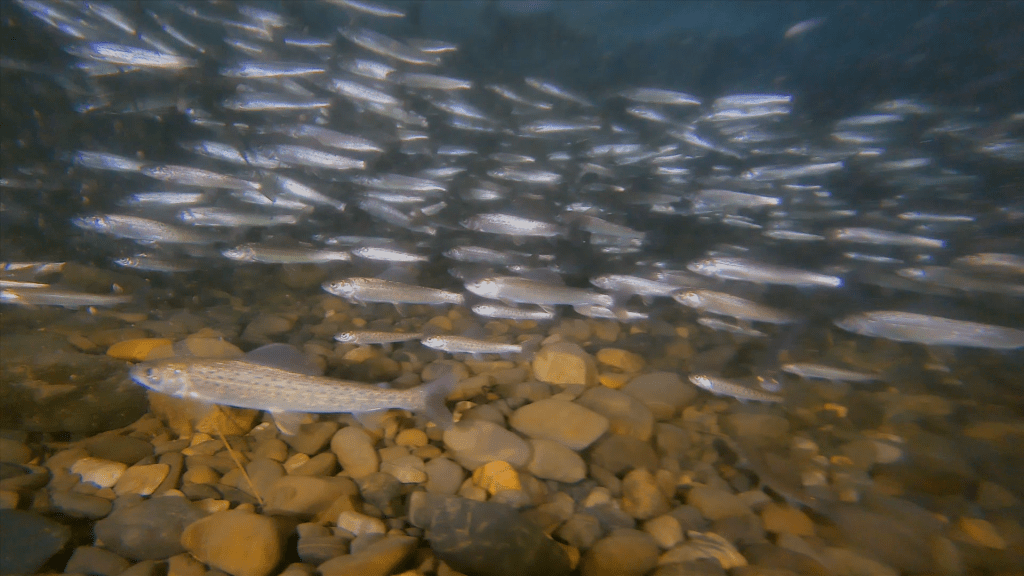
In 2025, focus has returned to oil and gas development in the Arctic National Wildlife Refuge of Alaska. This is an area with limited freshwater winter habitat for fish, which are vulnerable to disturbances and can be subject to mass mortality (see more information about this). However, the precious winter water resources needed by fish are also sought by developers.
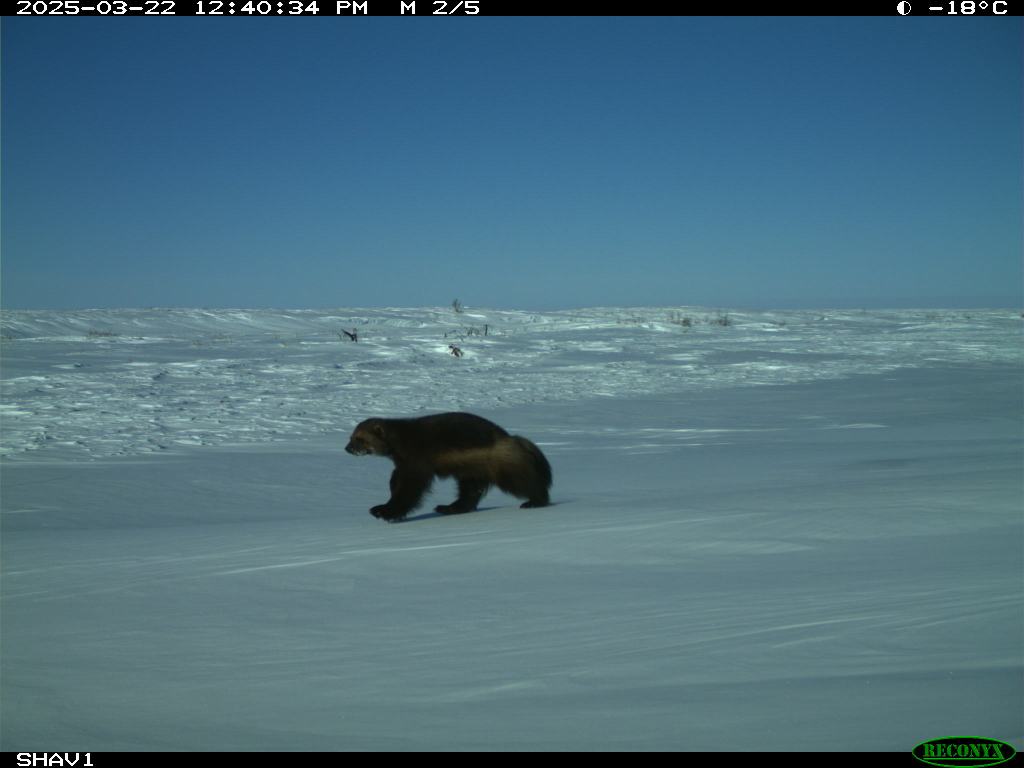
Over the past three years, WCS Fish Ecologist Kevin Fraley and Conservation Ecologist Kayla Shively with the Arctic Beringia Program have worked with local and governmental partners to monitor overwintering fish near the Arctic Refuge to understand dynamics between fish survival, hydrology, ice conditions, and ecological links to terrestrial fauna such as wolverine.
The information will be critical for assessing the potential impacts of development and climate change on Arctic ecosystems and the Indigenous and rural residents that depend on them.
January Fieldwork
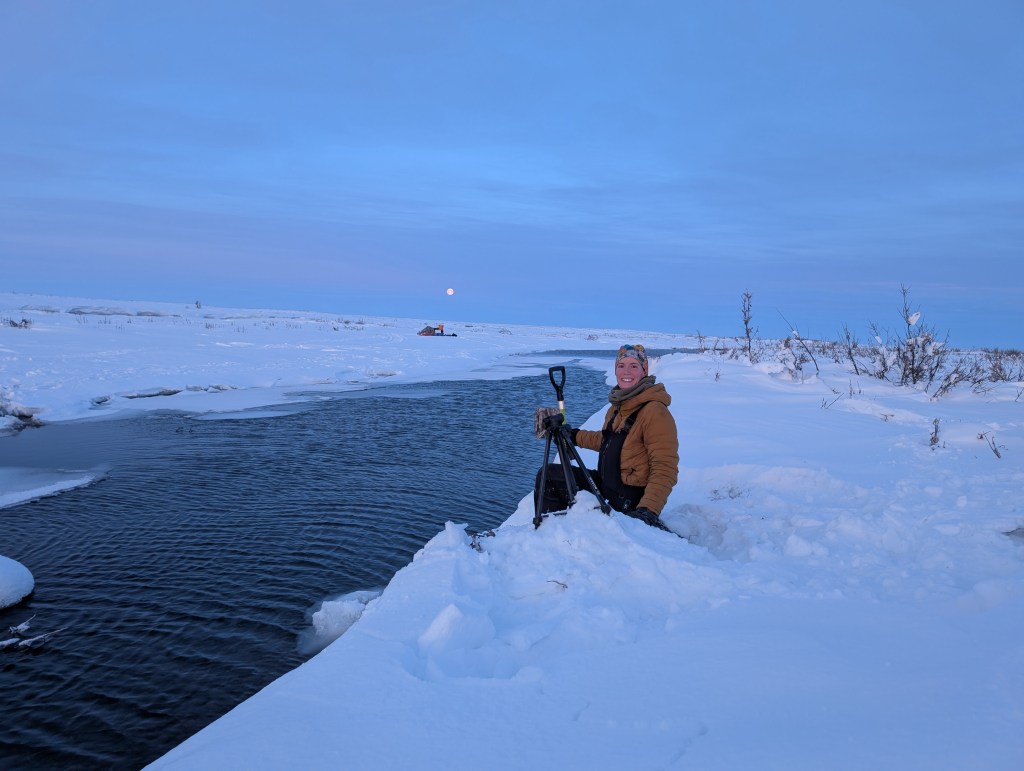
In January 2025, a WCS field crew visited the Shaviovik River fish overwintering area (where a fish mass mortality event and subsequent wolverine scavenging was documented in 2022) to install dissolved oxygen loggers to monitor habitat quality for fish under the ice, and game cameras to characterize the frequency of visits by terrestrial scavengers.

With limited daylight hours, snowmachining out to the site, placing the equipment, and returning to the Dalton Highway needed to be done efficiently. Happily, all went well with the ride out to the overwintering site, and equipment was placed.
During the visit to the overwintering site, some older wolverine tracks were observed, and a couple dead fish were seen and collected for future analyses from a shallow side channel.

April Fieldwork
In April 2025, a WCS and Alaska Department of Fish and Game field crew returned to the fish overwintering site to retrieve the equipment placed a few months earlier and check on the status of the overwintering fish. Similar to the previous excursion, snowmachines were utilized to access the site from the Dalton Highway
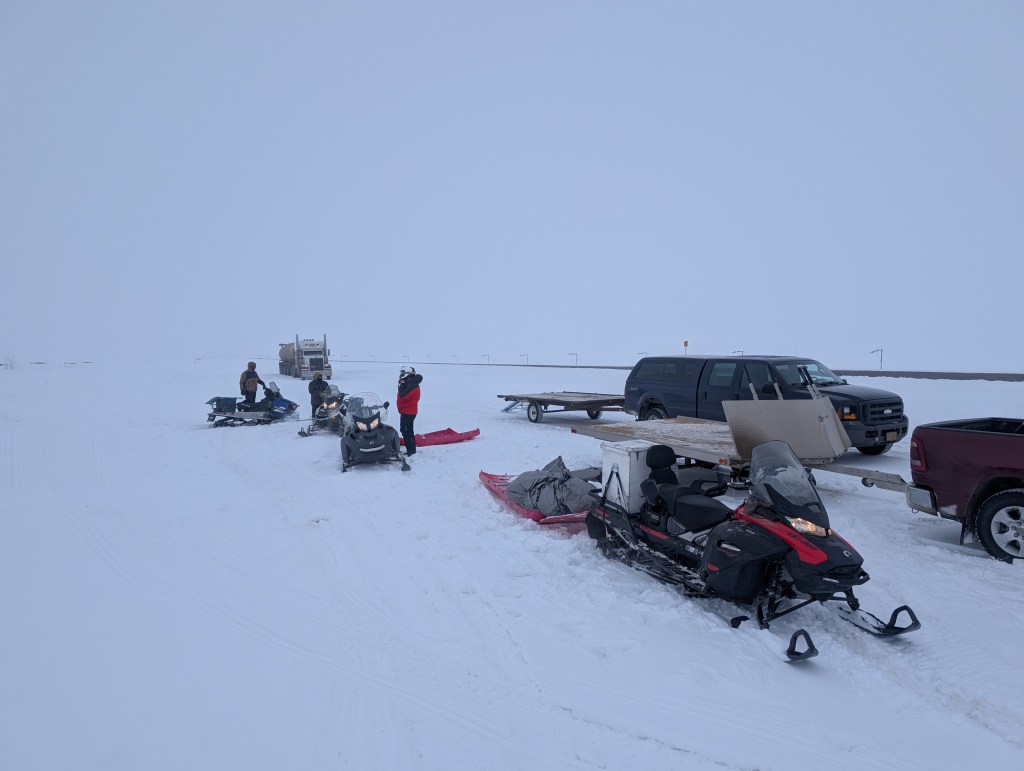
While weather in Fairbanks was trending towards spring, conditions on the Arctic Slope were still very wintry. The 20-mile ride out to the fish overwintering site was uneventful, though flat light conditions made it difficult to see hummocks and hills amongst the snow. When the site was reached, there was no open water visible–a significant change from conditions in January.

The wintry conditions at the site necessitated using an ice auger, ice saw, and an axe to chop holes for deploying the underwater ROV, retrieving dissolved oxygen loggers, and checking on the status of the overwintering fish. After overcoming some challenges due to the ice conditions, the equipment was retrieved and the fish were observed. Despite being relegated to a very small under-ice pool, the grayling that were observed appeared largely healthy, except for one fish we noticed that had perished.
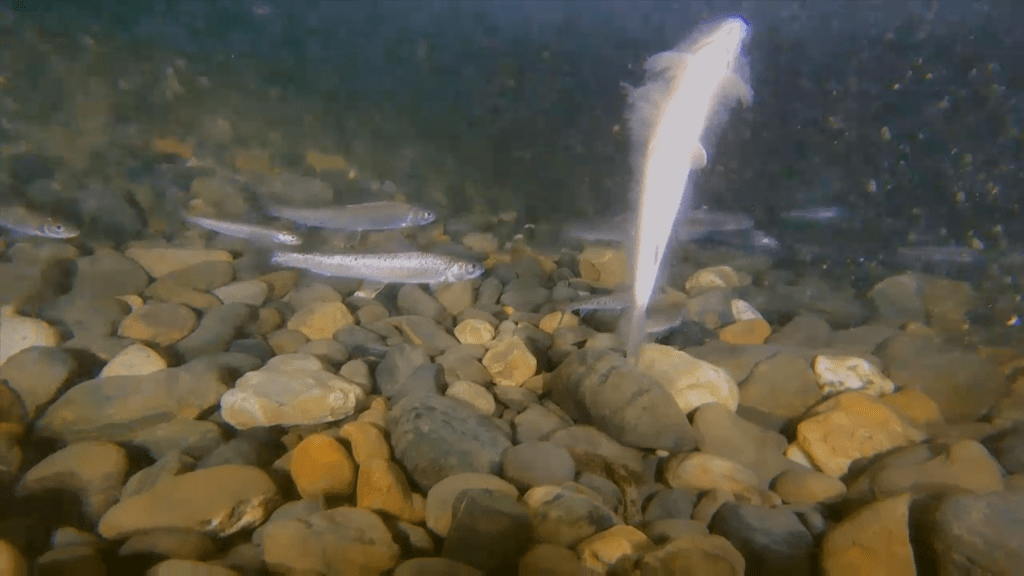
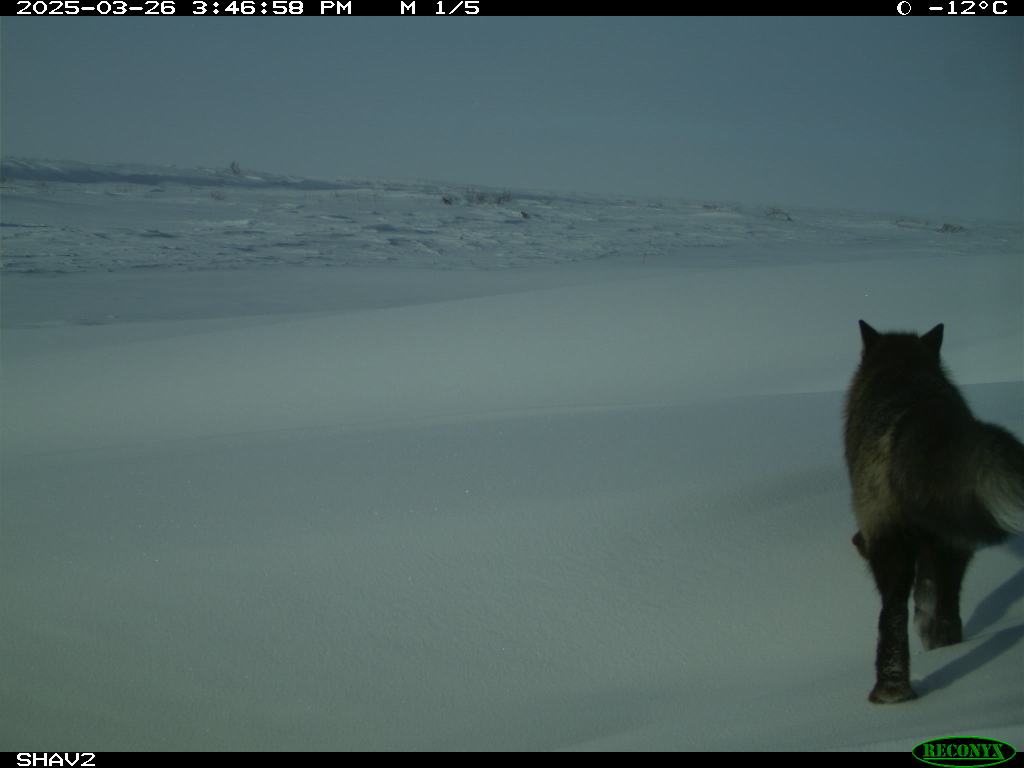
The field crew returned mostly uneventfully to Fairbanks via the Dalton Highway. Review of motion-activated cameras revealed that red foxes and wolverines had periodically visited the site, but because of long periods of total ice coverage, it was unlikely that they were able to access any fish to eat. However, memories from past years foraging, or smells that were present despite the ice coverage, appear to interest these scavengers.
Future Work
Follow-on analyses will focus on testing fish specimens that were found dead at the site to ascertain the cause of death. Testing for Saprolegnia fungus, which is known to affect some fish on Alaska’s Arctic Slope, may occur. Additionally, tests of contaminant levels in the tissues of dead fish may be conducted.
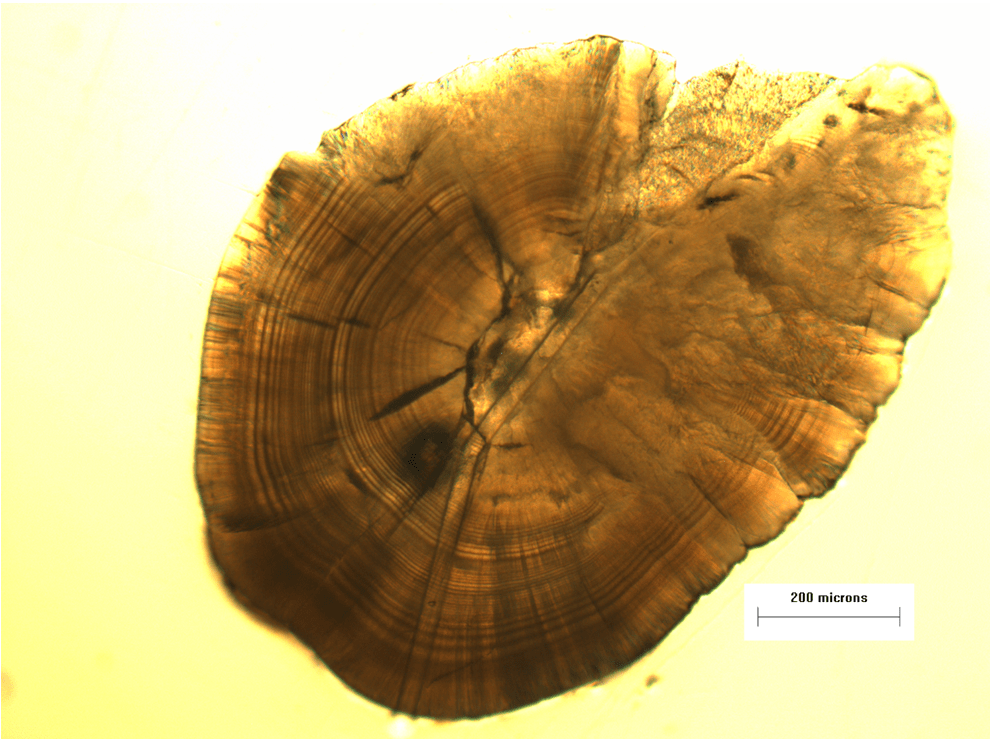
Further, otoliths (fish earbones) were collected from Arctic grayling and Dolly Varden at the Shaviovik River site, and will be chemically tested to see how often these fish experience times of low oxygen (hypoxia) throughout their lives. The suspected cause of the 2022 mass fish mortality event was low dissolved oxygen levels, but this has not been verified through scientific data.
Testing otoliths from both fish that were found dead at the Shaviovik River overwintering site, and fish that were alive at time of capture, may allow us to develop a method to identify how often hypoxia occurs using fish otoliths. This natural “biochronology” method would be much more efficient and cheaper to use to assess the stresses that overwintering fish may experience throughout their lives due to hypoxia. The method of testing, looking at ratios of Manganese and Calcium bound within the structure of the otolith throughout the course of a fish’s life, has been utilized for deep sea fish, but has not been trialed for freshwater fish, so the success of this method is yet to be determined.
While it is uncertain if WCS and collaborators will return for additional monitoring at the Shaviovik River site in future winters, given that additional mass mortality events have not been observed, we have developed some excellent tools to monitor Arctic overwintering fish wherever they occur. This may be increasingly important with proposed oil and gas development and climate change affects in the near term.
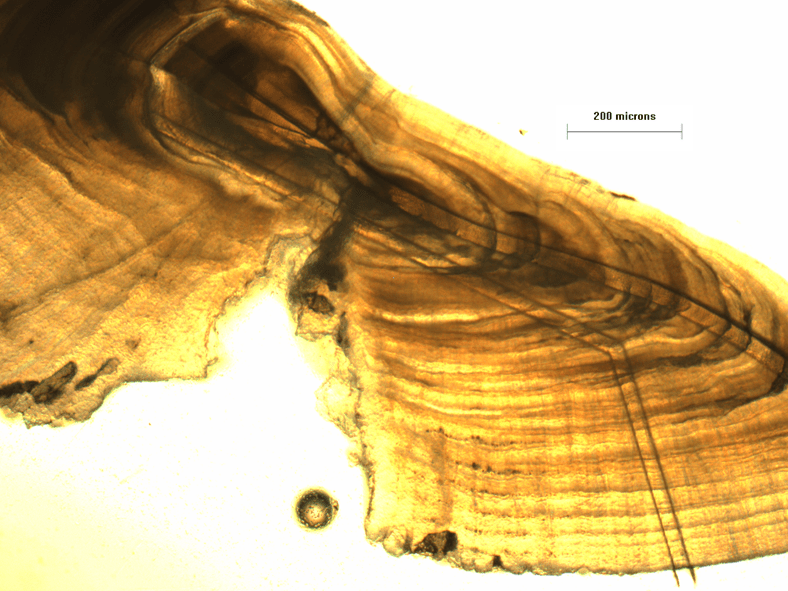
To learn about otolith microchemistry in the same video, go here: https://youtu.be/hjUbTjg7vcs?si=xvbP6ahu2X0jNiQD&t=1368
 Arctic Beringia Fish Ecology