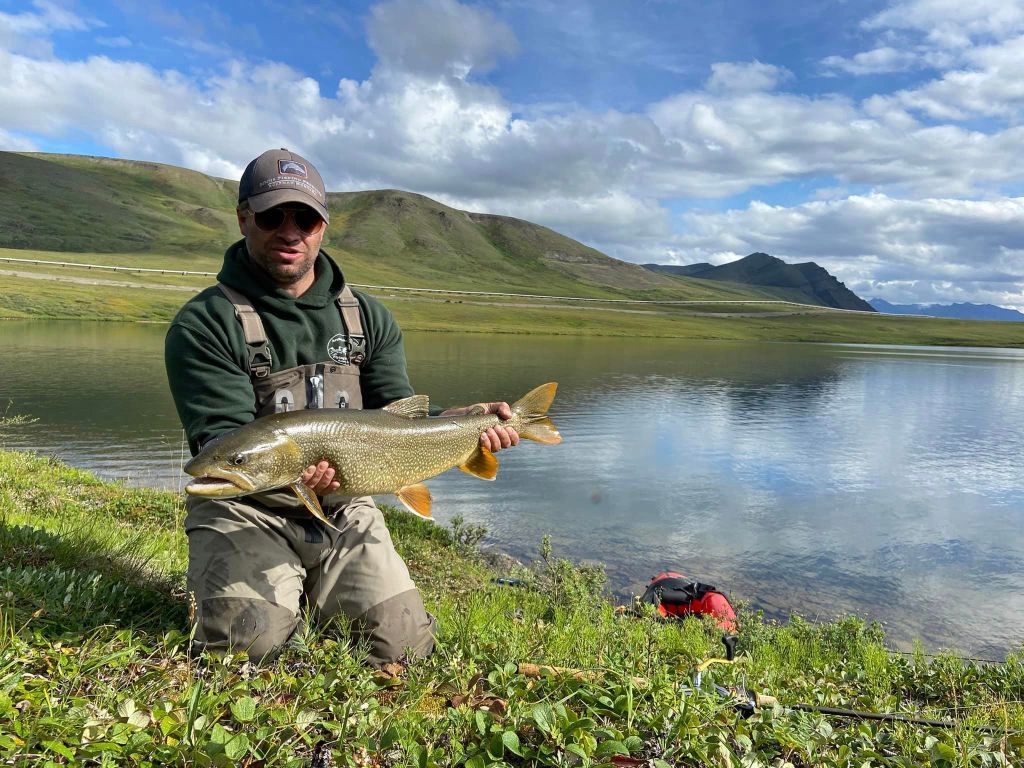
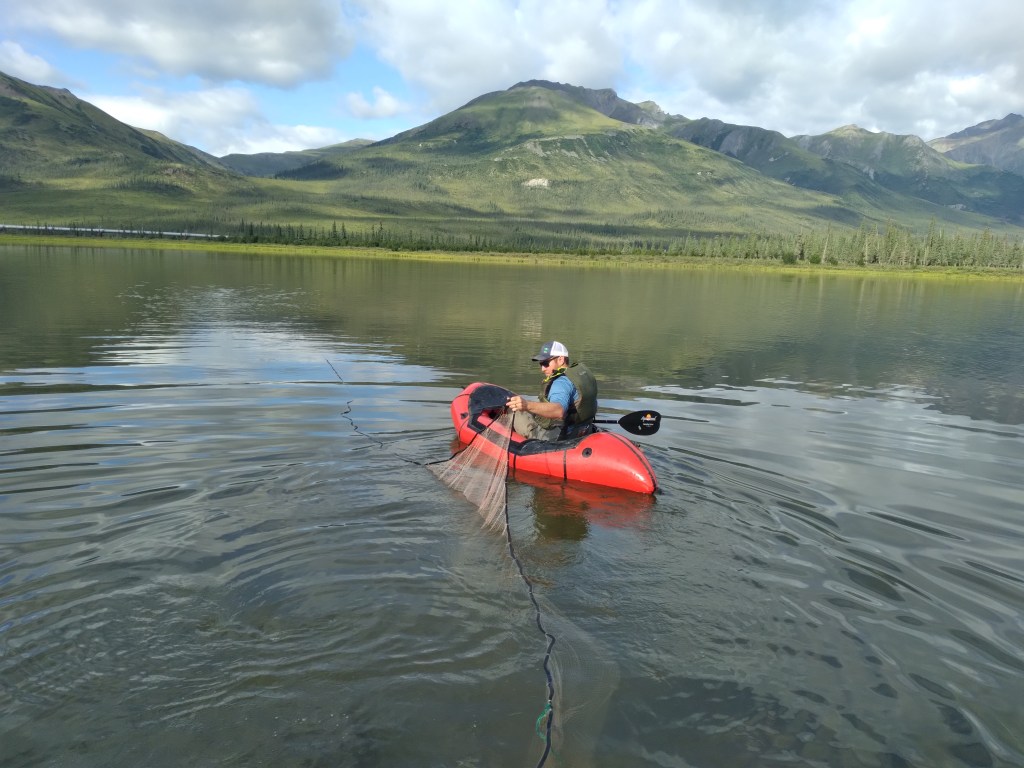
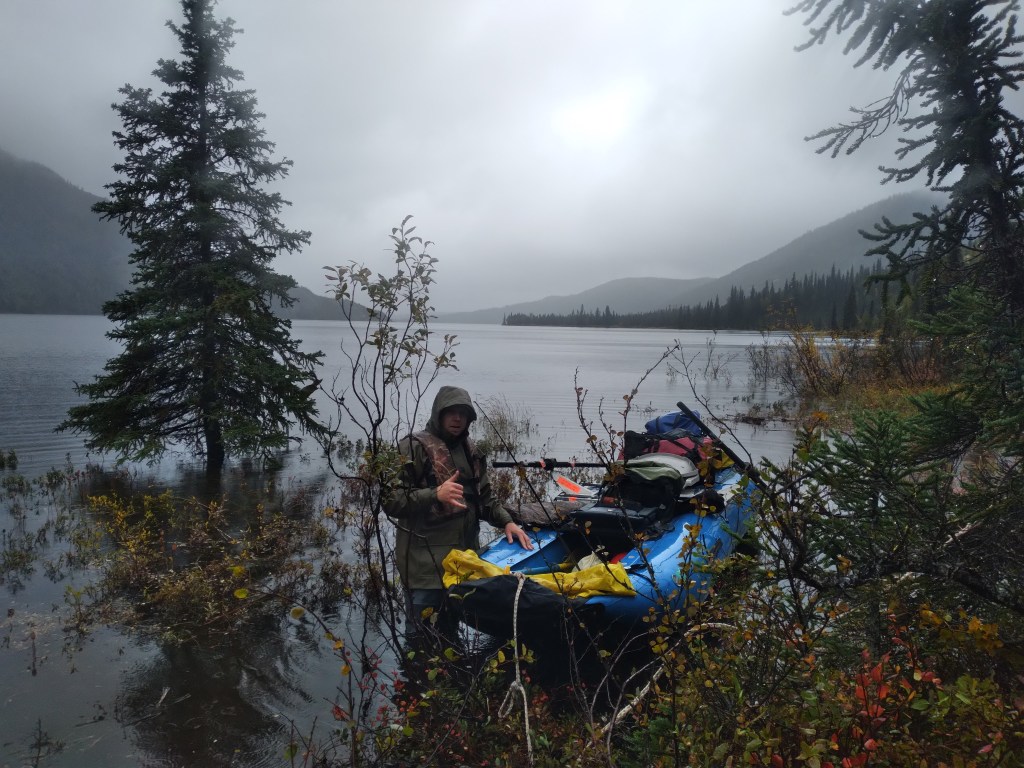
During July-September 2023, the 2-person WCS fisheries crew collected fish from various waterbodies in the Brooks Range mountains of northern Alaska as part of a survey of baseline heavy metal and PFAS (also known as “forever chemicals”) in fish tissues. This baseline survey is necessary to assess current conditions before areas of the Brooks Range are potentially opened to industrial development, particularly in regards to the proposed Ambler Road and the Central Yukon EIS. The results from the project may inform fish consumption health advice for Indigenous and recreational fishers that commonly harvest fish from these waterbodies.
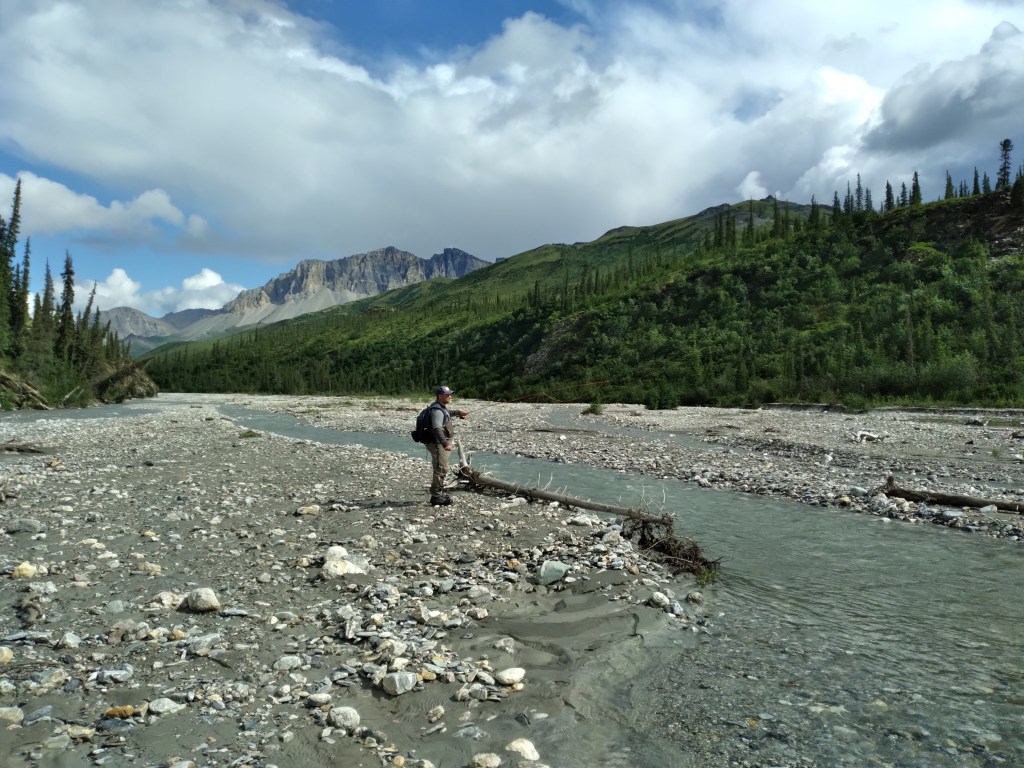
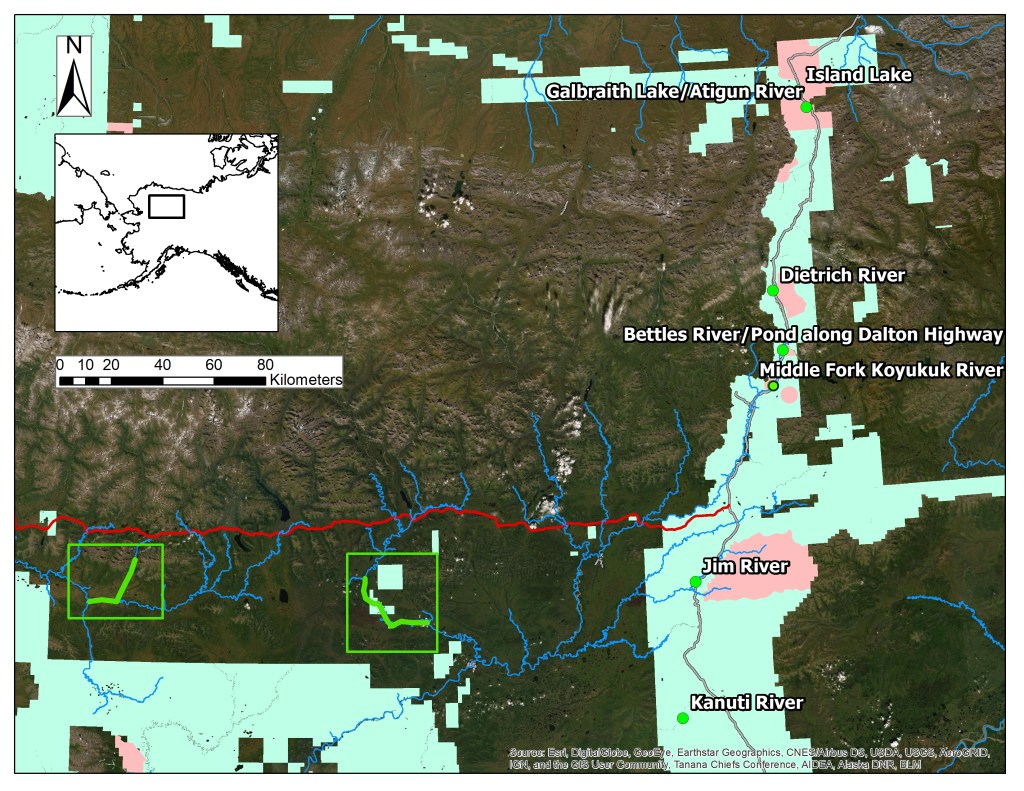
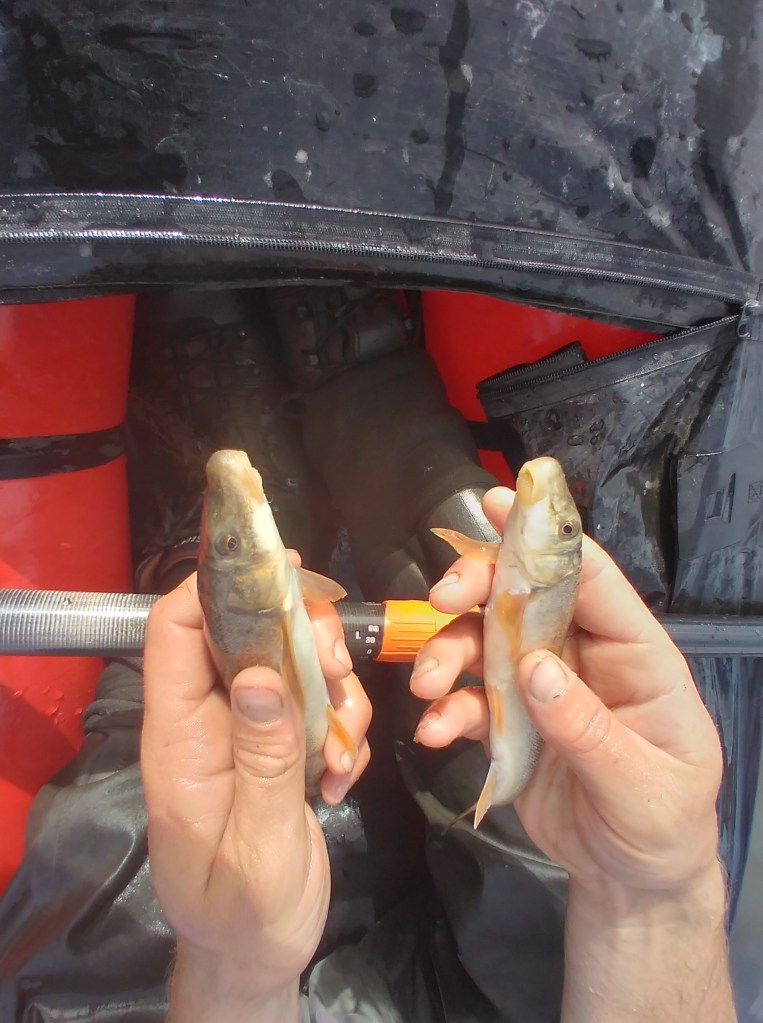
At all locations from the map above, we planned to collect aquatic vegetation, sediment, invertebrate, slimy sculpin, and large-bodied fish samples to assess for concentrations of arsenic, copper, lead, zinc, and mercury, heavy metals that can be harmful to human health when consumed in significant amounts.
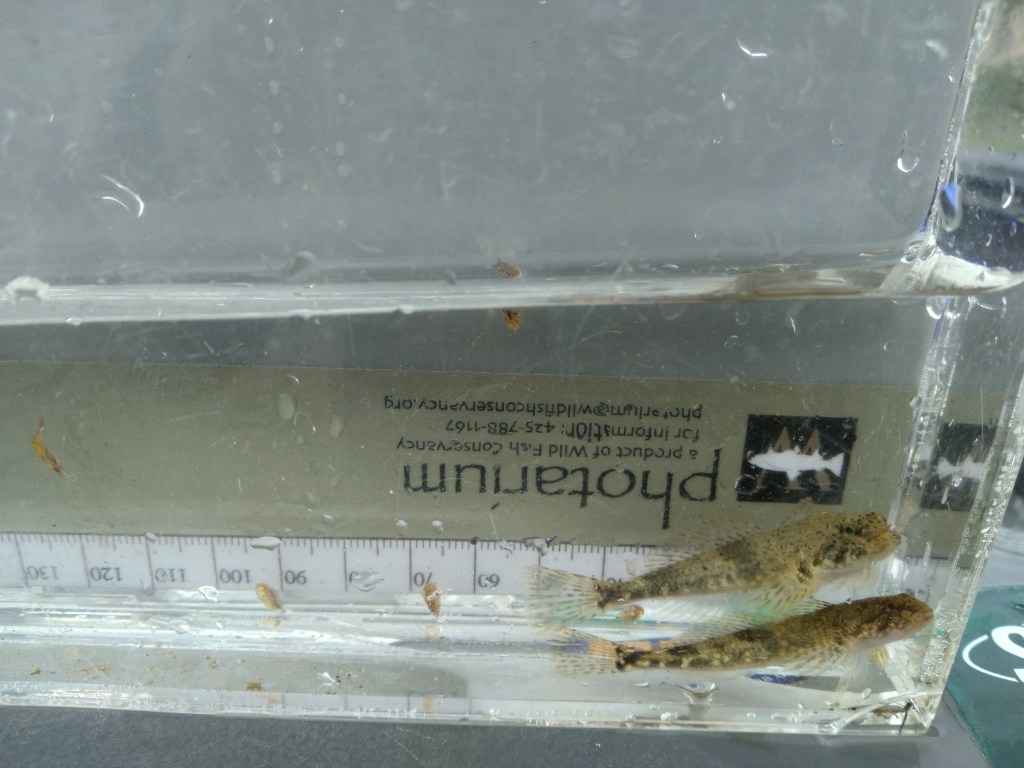
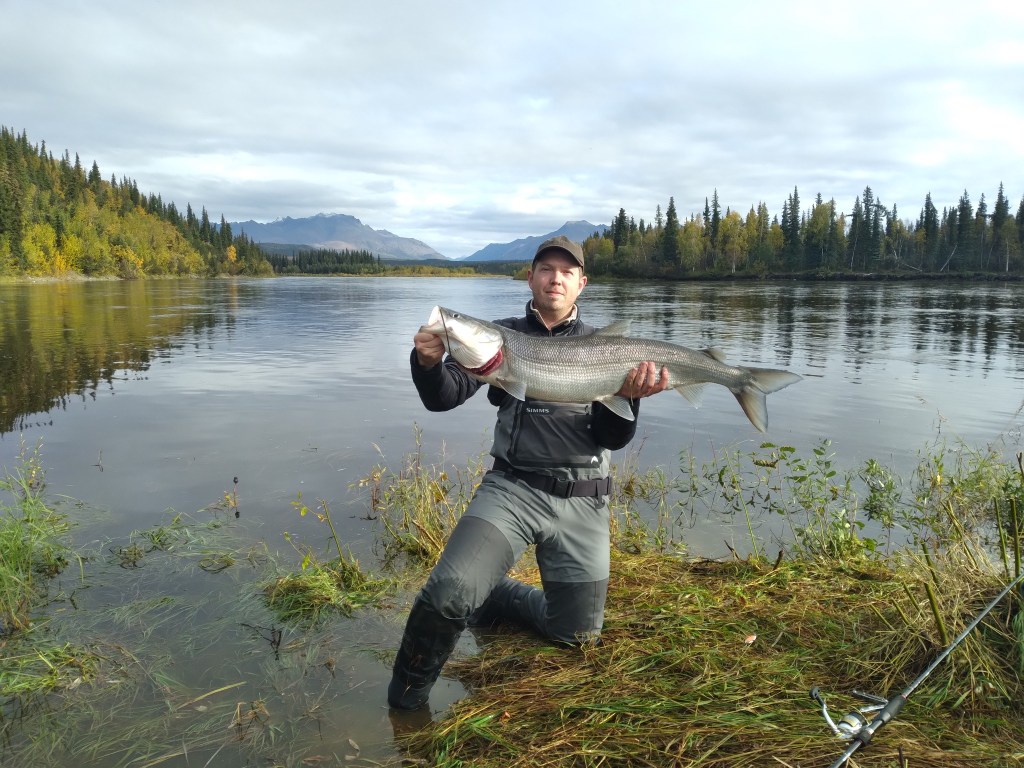
Sampling was successful at all locations, with many different species of fish collected including Arctic grayling, least cisco, burbot, lake trout, longnose sucker, inconnu, humpback whitefish, northern pike, and round whitefish.
Samples collected in 2023 are currently being processed in the laboratory and will be sent to an external lab for testing. Follow-on sampling for PFAS concentrations and addition of new waterbodies (John River, Alatna River, and Koyukuk River near Bettles, AK) will occur in summer 2024
 Arctic Beringia Fish Ecology
Leave a comment