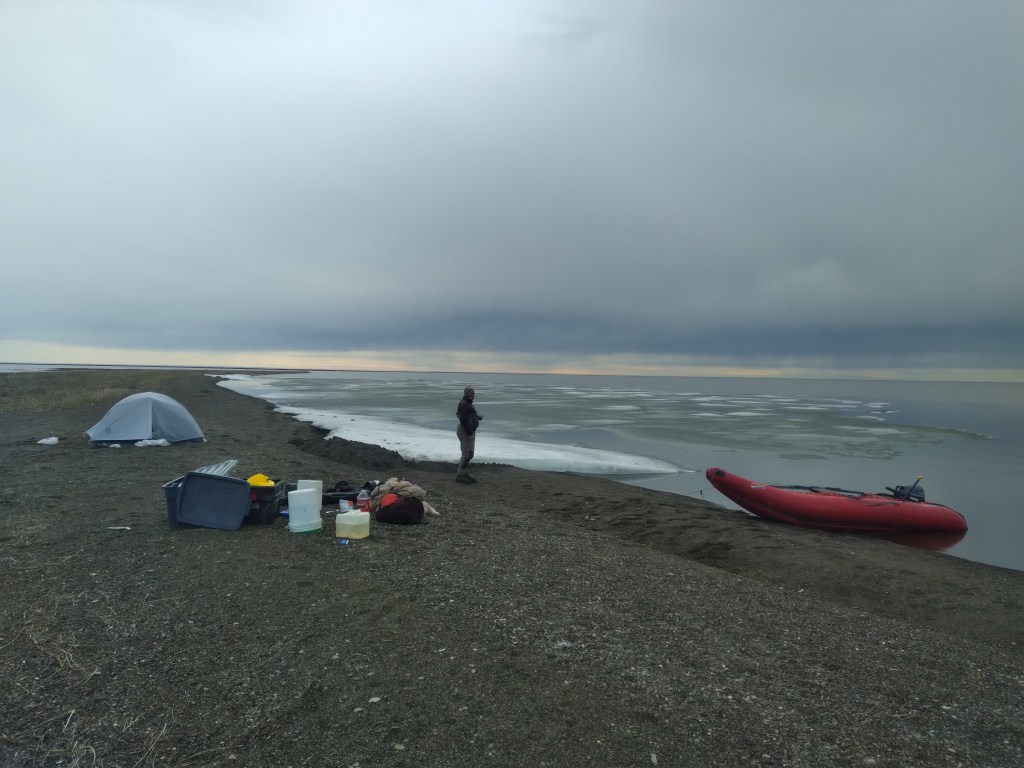
In June and August 2023, the 2-person WCS Fisheries crew visited five lagoons within Cape Krusenstern National Monument to conduct water quality measurements, fish abundance and diversity monitoring, and Mysidae samples. It was a challenging field season between a very late spring breakup and logistical issues, but also full of successes.
June
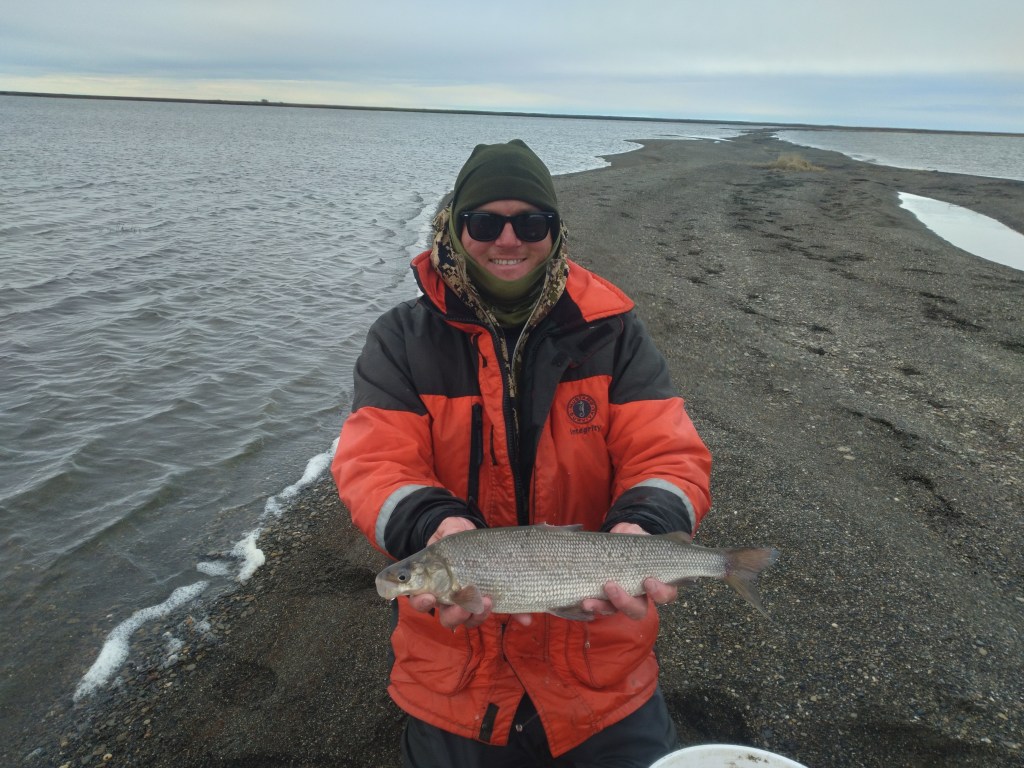
During the June excursion, the lateness of the spring season (approximately 2 weeks behind normal) resulted in unseasonably cold temperatures for sampling and inability to access the freshwater inlet site of Krusenstern Lagoon due to remnant ice cover. However, time and ocean conditions allowed boat travel and fisheries sampling to Tasaychek Lagoon and Rabbit Creek/Imik Lagoon for the first time in many years.
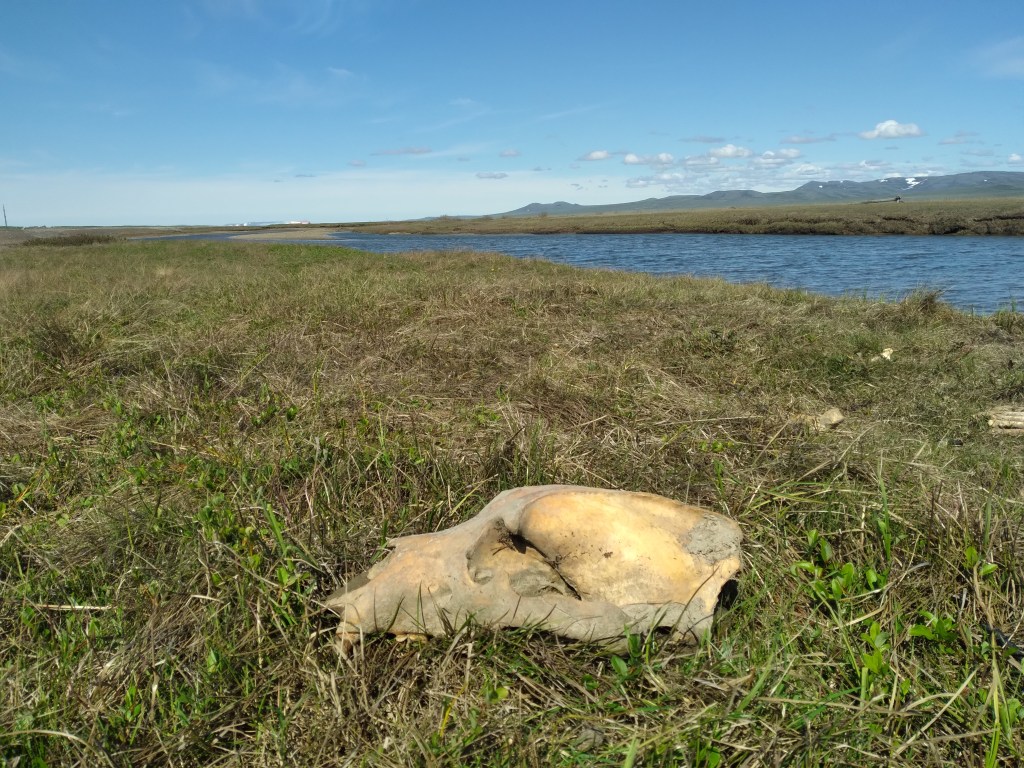
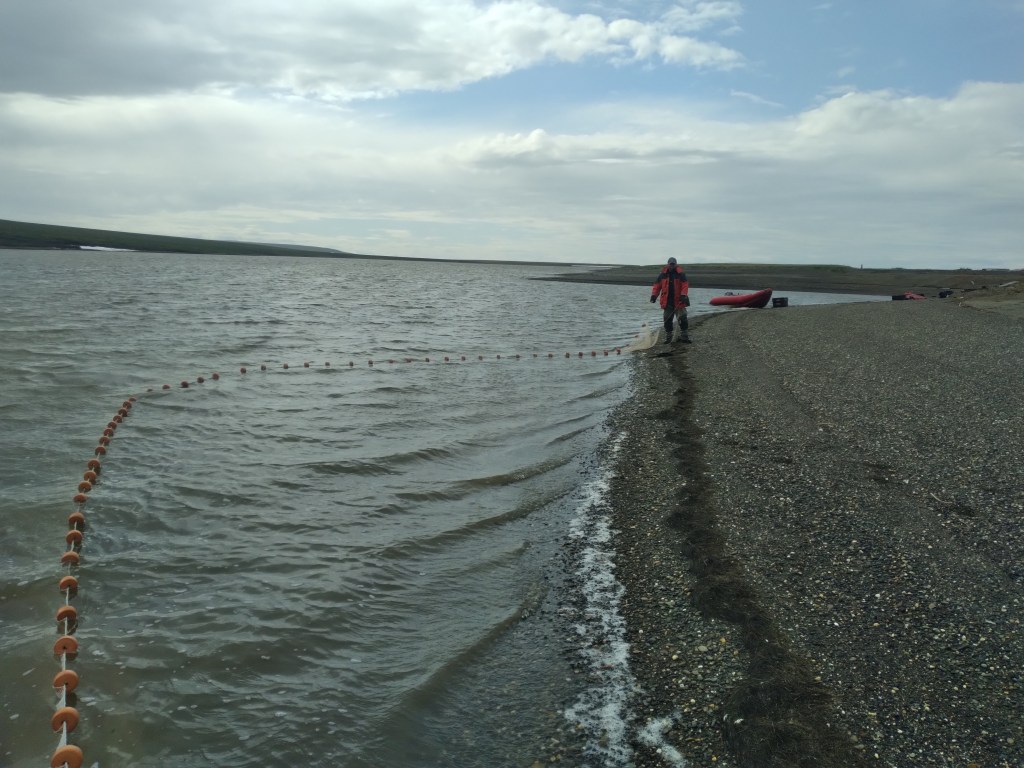
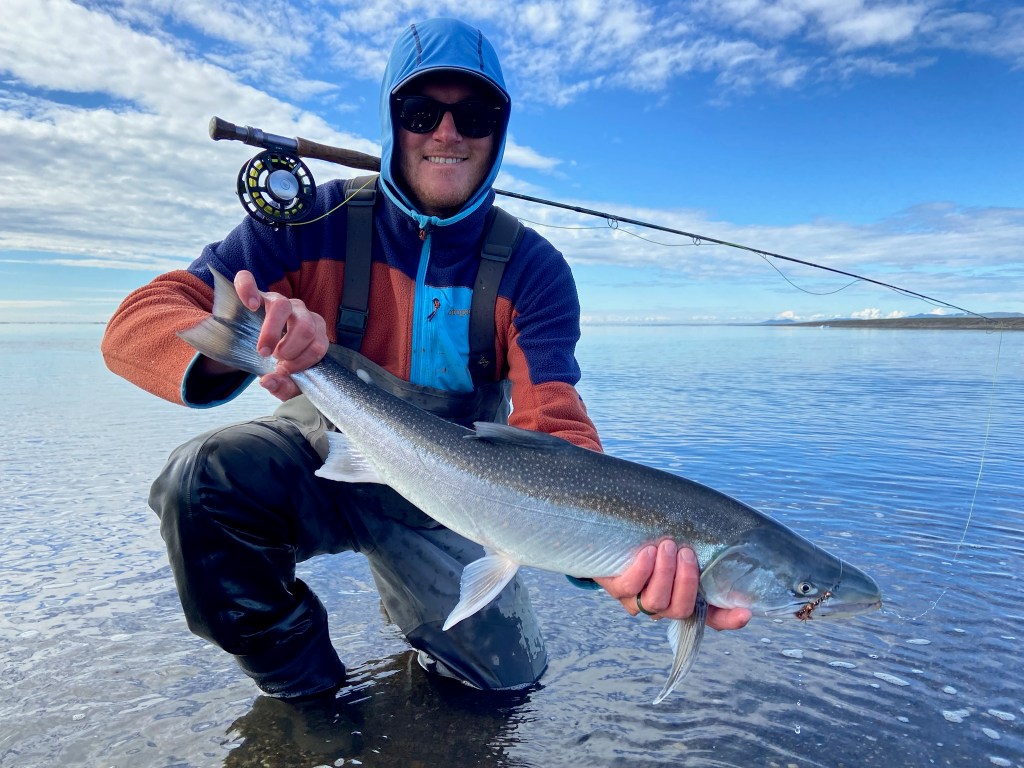
Dolly Varden were plentiful in all the lagoons sampled in June, moreso than in previous years. However, sheefish were not caught during this early excursion, which was atypical.
August

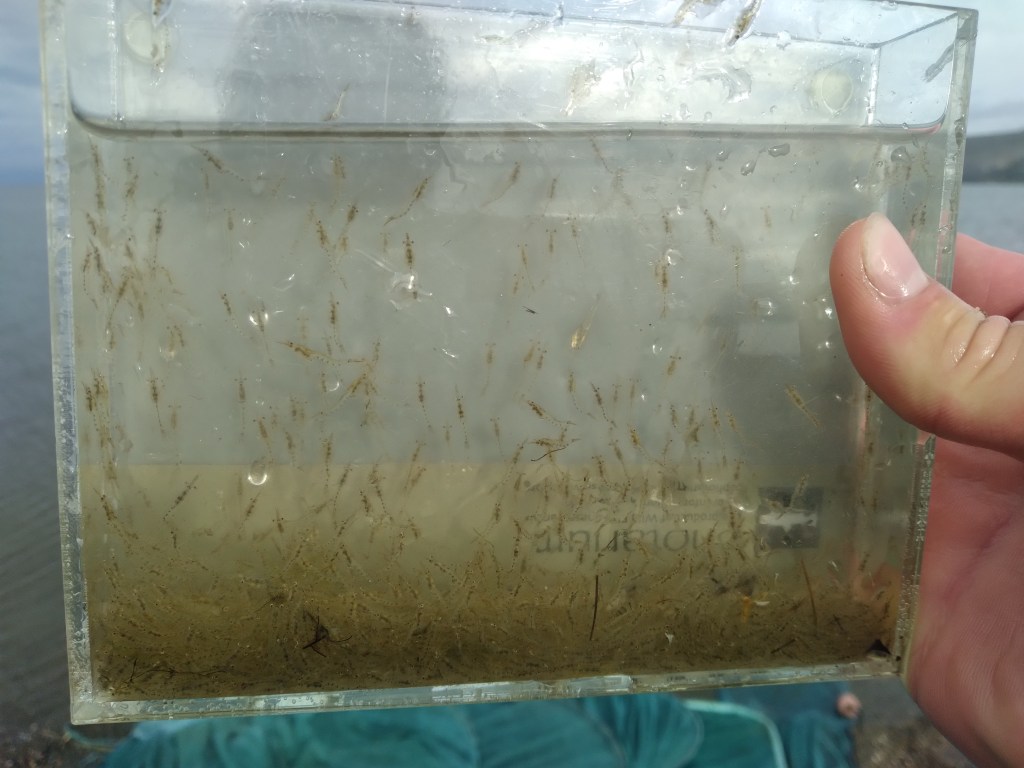
The August leg of our fieldwork was challenging due to some logistical setbacks. However, the highlight of this trip was the collection of Mysidae samples from Kotlik, Krusenstern, Aukulak, and Tasaychek Lagoons. Mysidae were found to be an important forage base for fishes in the lagoons, and WCS and University of Alaska Fairbanks are embarking on a new research project to quantify the abundance, diversity, and ecology of these crustaceans.
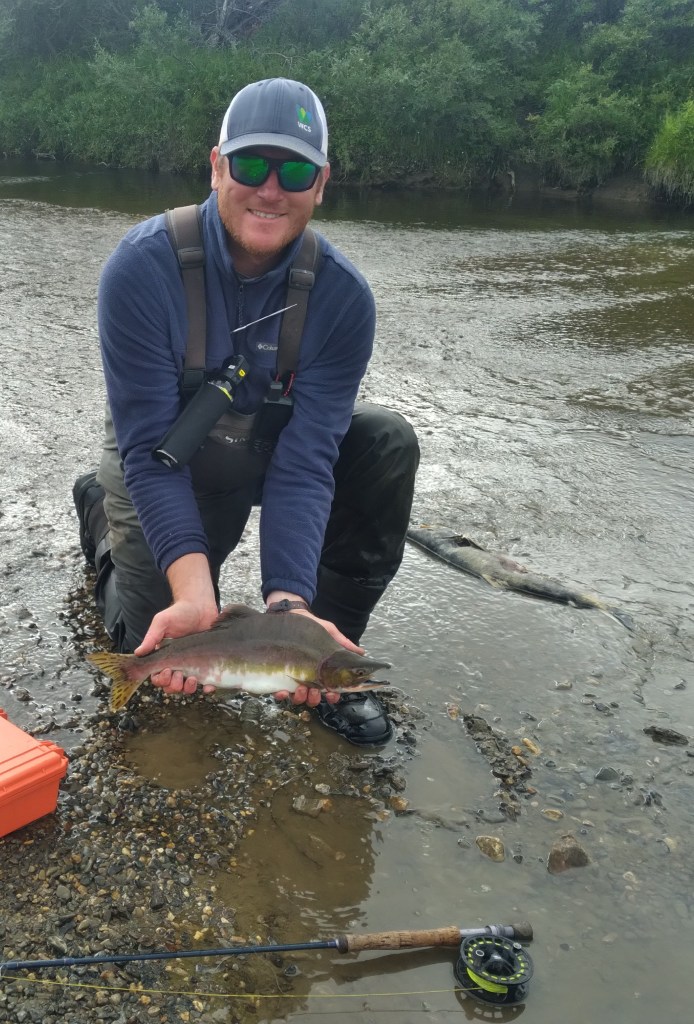
In addition to our standard fisheries monitoring program, the Alaska Department of Fish and Game Salmon Genetics Lab requested that we collect fin clips from any salmon encountered in the rivers feeding the coastal lagoons. The abundance of salmon in the Arctic is thought to be increasing, and managers are collecting genetic information from rivers with no data to establish a baseline and assess changes in populations
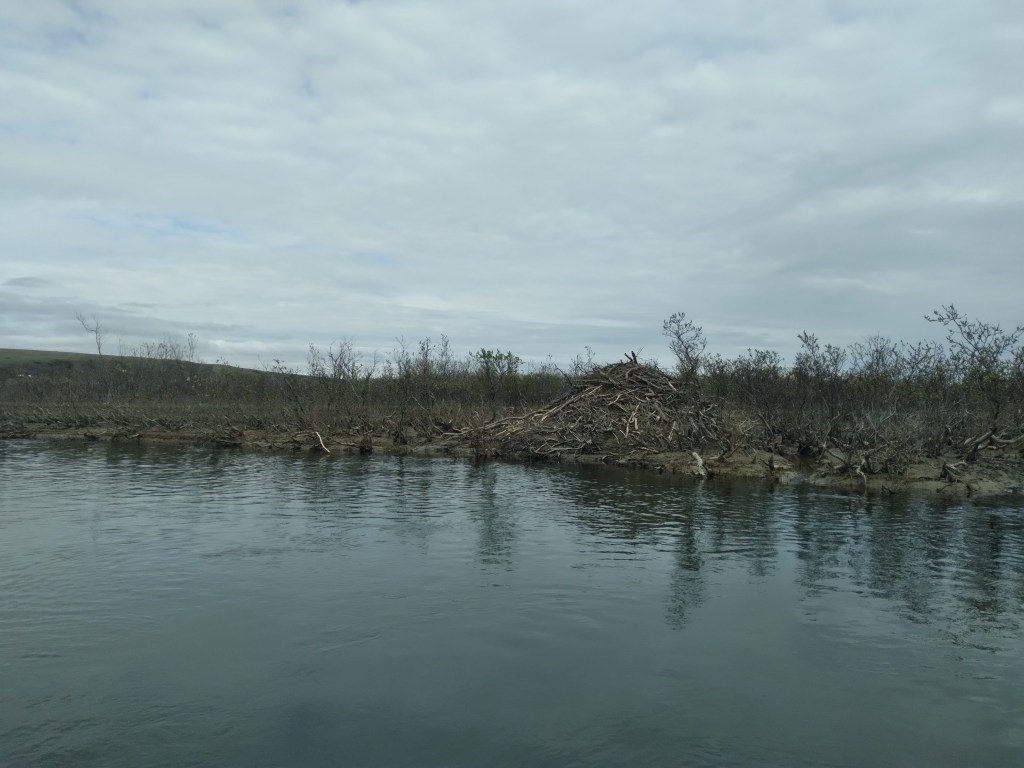
During our forays to collect salmon genetics, we noticed increase beaver presence from the previous year (i.e., more lodges) in streams feeding Krusenstern Lagoon and evidence of newly established beavers in streams of Kotlik Lagoon (absent the prior year). Beavers are known to be colonizing new areas of western and northern Alaska, with uncertain implications for habitat and fish ecology
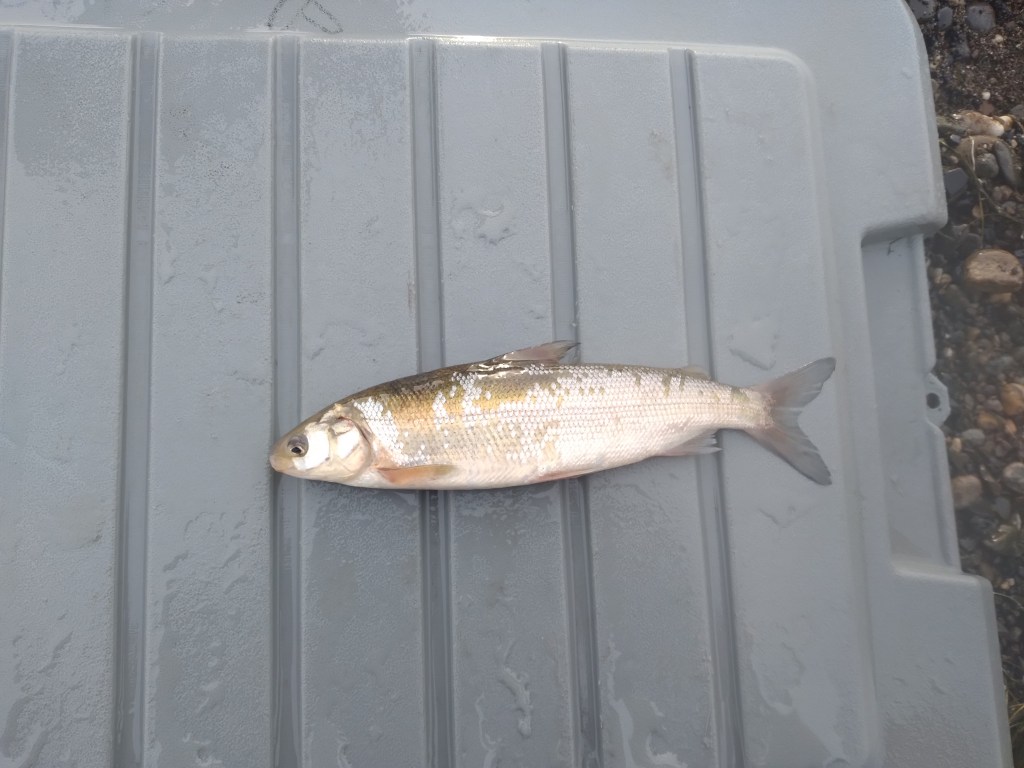
Lagoon fish abundance was lower in August than in previous years. It is unknown why this was the case, as all lagoons remained connected to the ocean throughout the summer, which usually translates to higher fish abundance and diversity. Interestingly, we captured more Bering Cisco than normal in Aukulak and Kotlik Lagoons. Bering Cisco are a very unique member of the whitefish family that behave similarly to salmon, where they spend most of their life in the ocean, only returning to freshwater to spawn. Other whitefish species typically exhibit more freshwater-oriented and complex life histories.
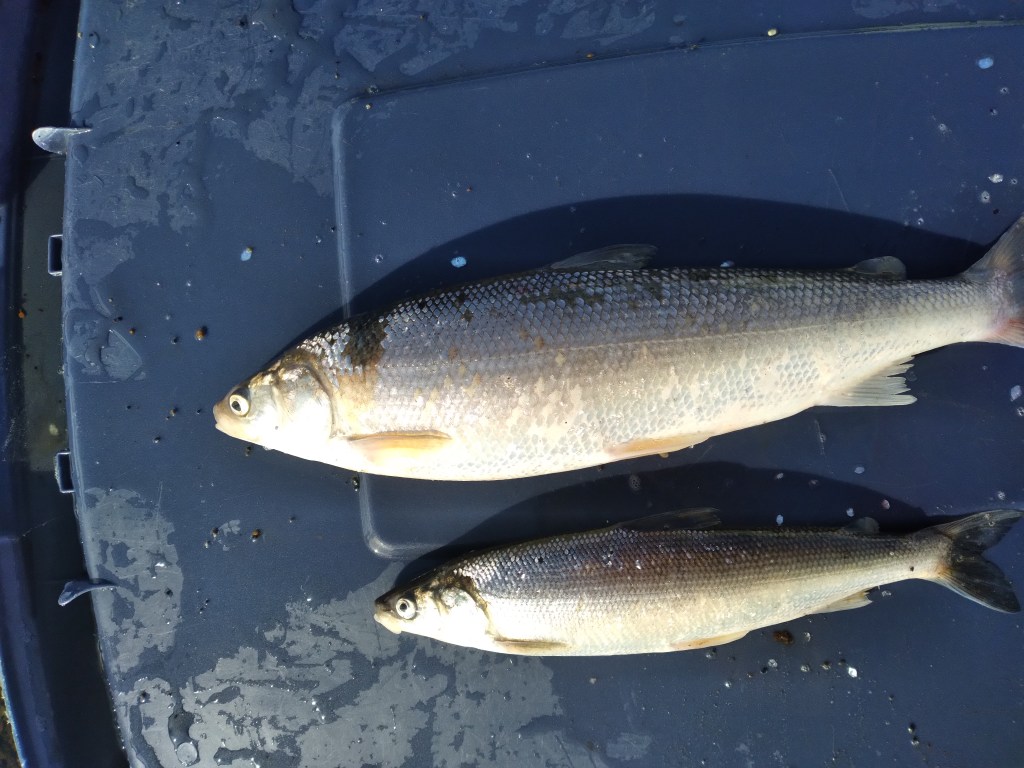
One juvenile broad whitefish was caught in Kotlik Lagoon, which is an uncommon species. It is uncertain where this fish may have traveled from to find its way to this location–possibly all the way from the Kobuk River.
Despite challenges, the 2023 lagoons fieldwork was successful, especially with the visitation to new lagoons, Mysidae sampling, and assistance with ADFG genetics collections. We intend to visit the coastal lagoons of Northwest Alaska again in summer 2024, to continue these long term monitoring and research efforts.
Our work supports the NPS Vital Sign program that seeks to better understand decadal-scale changes within National Parks for specific elements such as coastal lagoons. Through this program we are both able to document and better understand these long-term dynamics, as well as provide managers and local subsistence communities with information that can be used to guide responses.
 Arctic Beringia Fish Ecology
Leave a comment