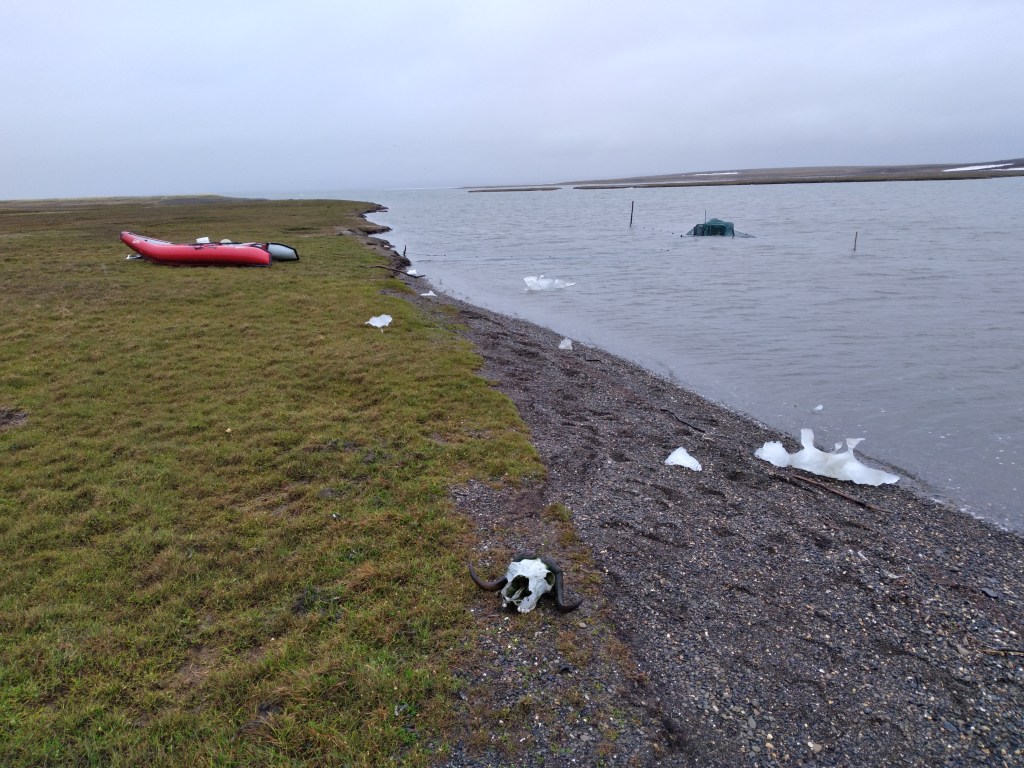
2022 Cape Krusenstern Lagoons Field Season
A two-person WCS field crew conducted visits to Krusenstern, Aukulak, and Kotlik Lagoons for fisheries monitoring and research activities in June and August 2022.
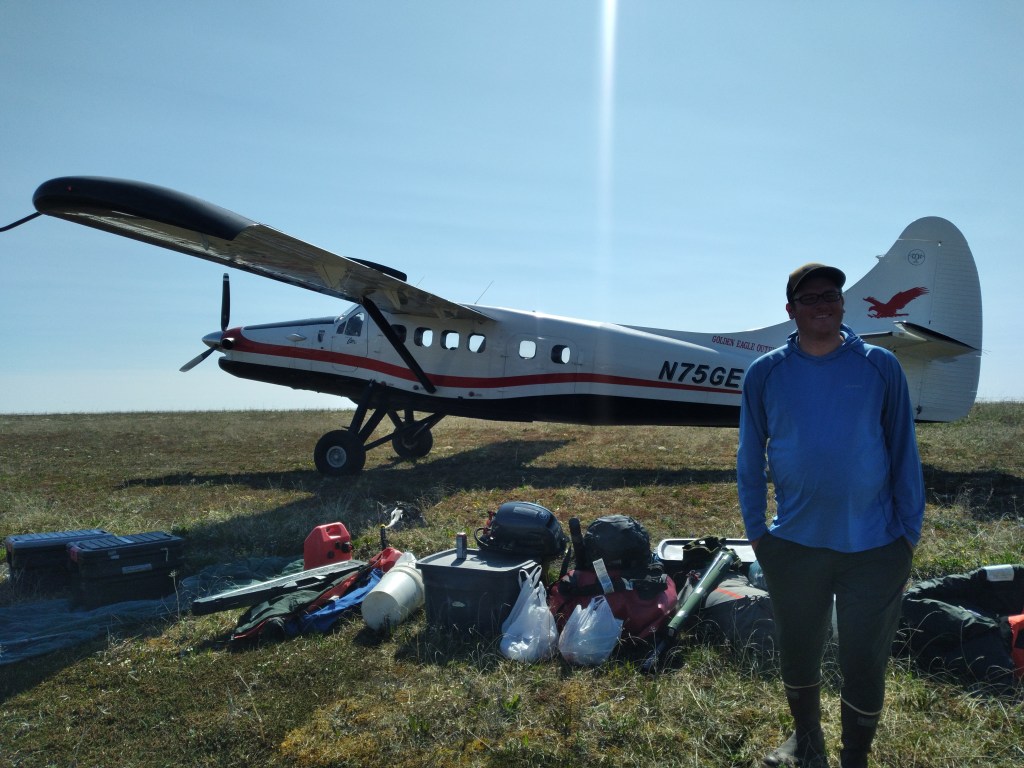
June
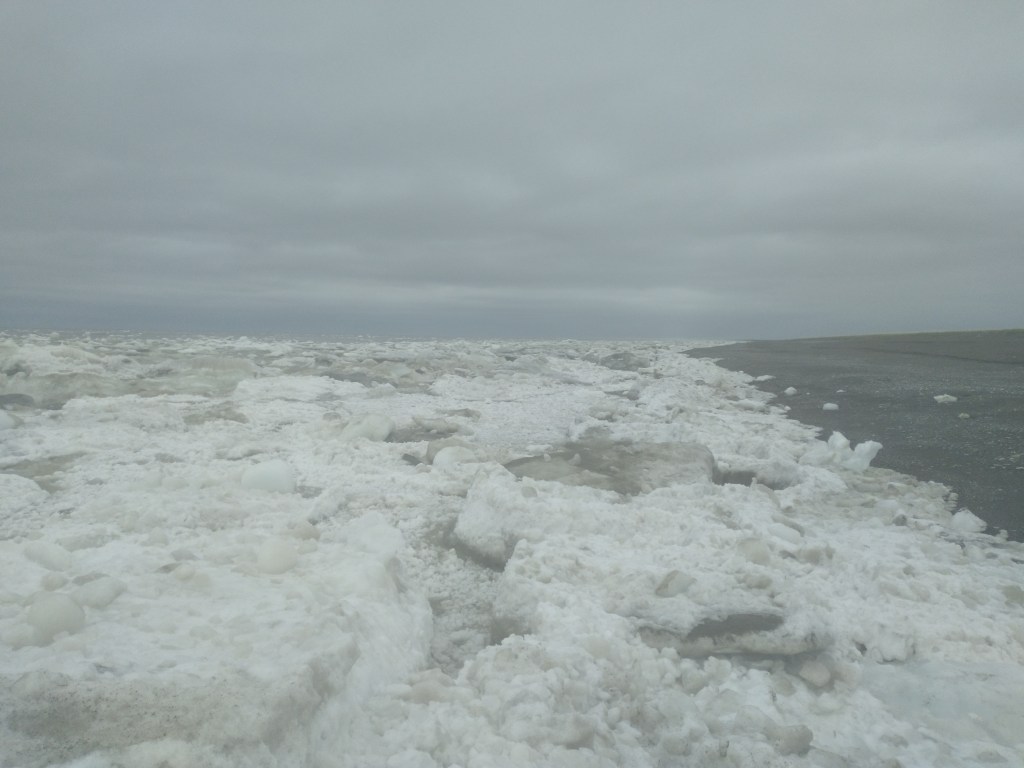
During the June trip, all lagoons were open to the sea and ice chunks clogged the Chukchi Sea coast and lagoon openings due to a late spring. Biting insects were not yet out in force and headnets were not needed. Weather was mostly sunny, but several days were too windy to conduct sampling.
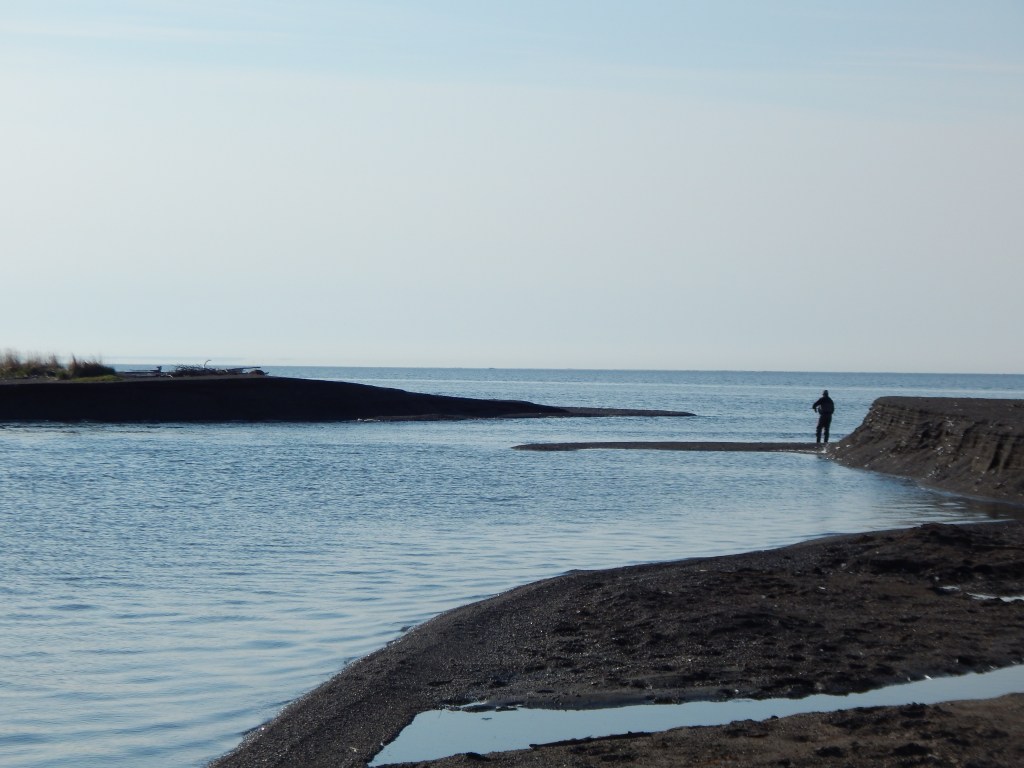
Krusenstern, Aukulak, and Kotlik Lagoons were sampled via angling, fyke net, beach seine, and tangle net to assess fish diversity and abundance. Sampling was conducted at the marine edge, outlet, and freshwater inlet of each lagoon. Water chemistry was also measured at multiple locations at each lagoon. Fish and water sample sites were conducted at established long-term locations within each lagoon. We also conducted supplemental ampling in the Tukrok River at Anigaaq.
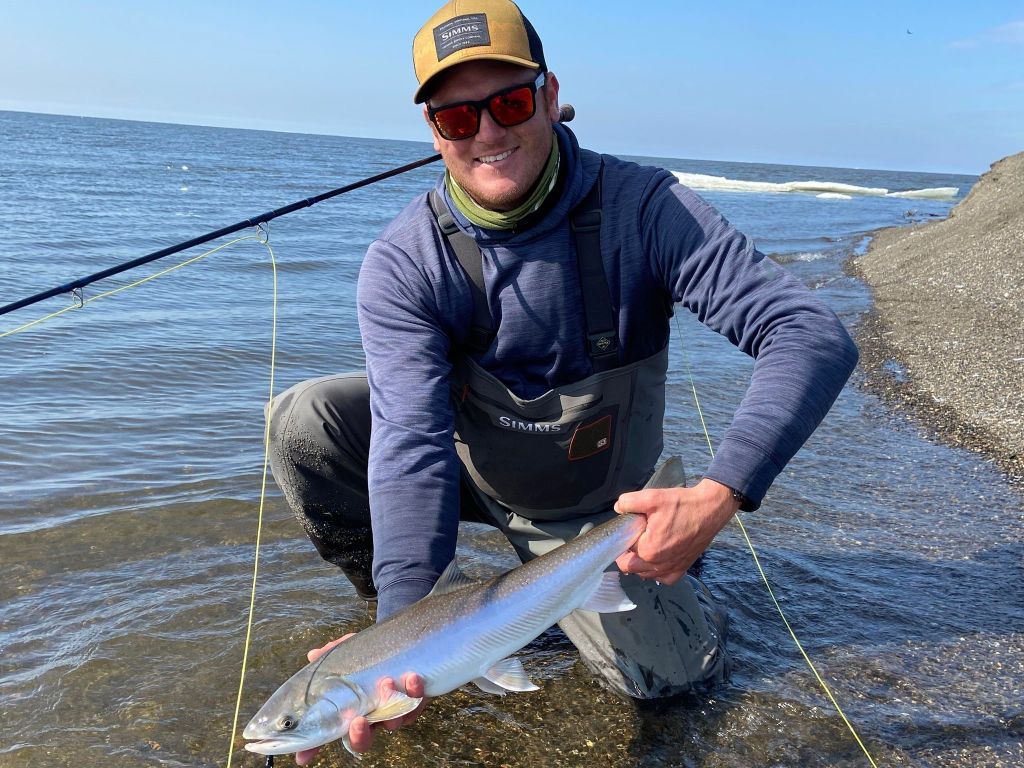
In June, humpback whitefish, least cisco, starry flounder, and herring abundance was high at all lagoons. However, perhaps due to the earlyness of the open-water season, no broad whitefish or sheefish were captured. Several Dolly Varden and many saffron cod were caught via angling methods. 41 fish were fin clipped for genetic analyses to be conducted at the UAF Museum
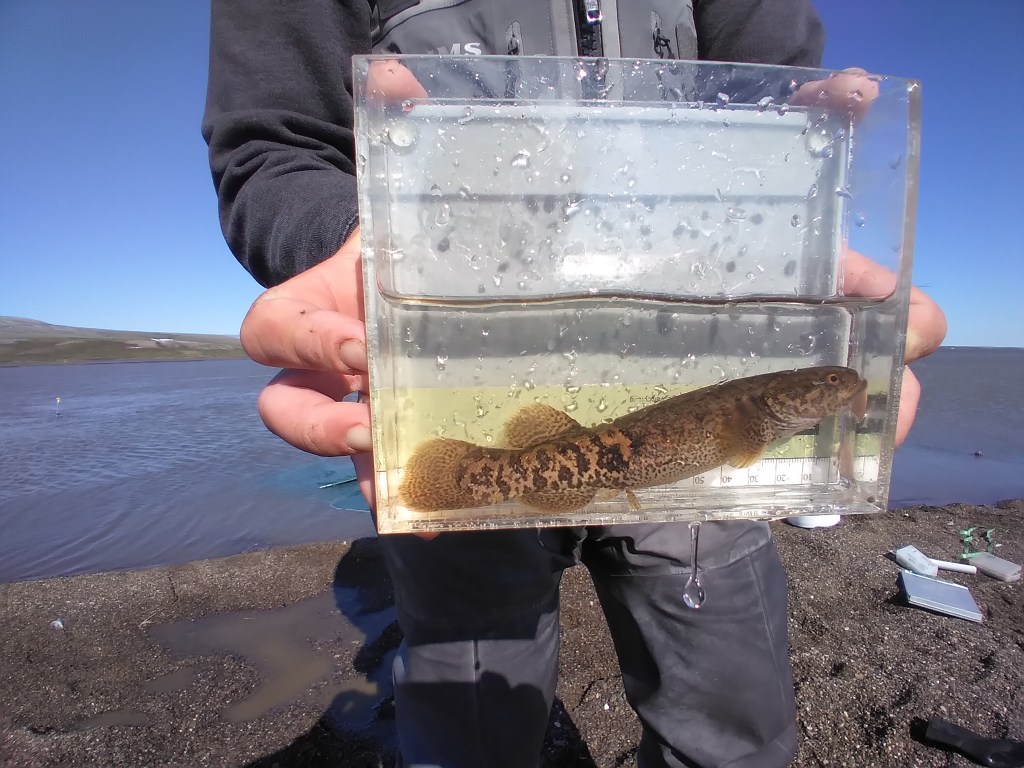
Some notable catches included a large Alaska blackfish at the Krusenstern Lagoon outlet (salinity approximately 3 PSU) and an Arctic grayling caught with the beach seine at the Krusenstern Lagoon marine edge site (several miles from any freshwater inputs).
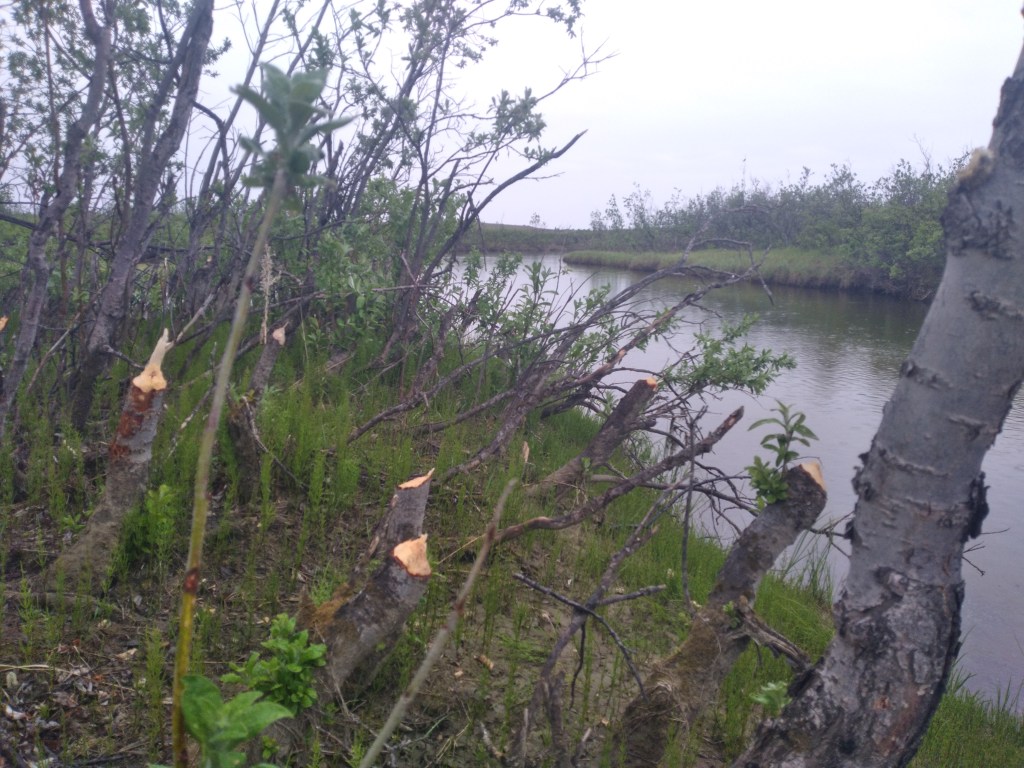
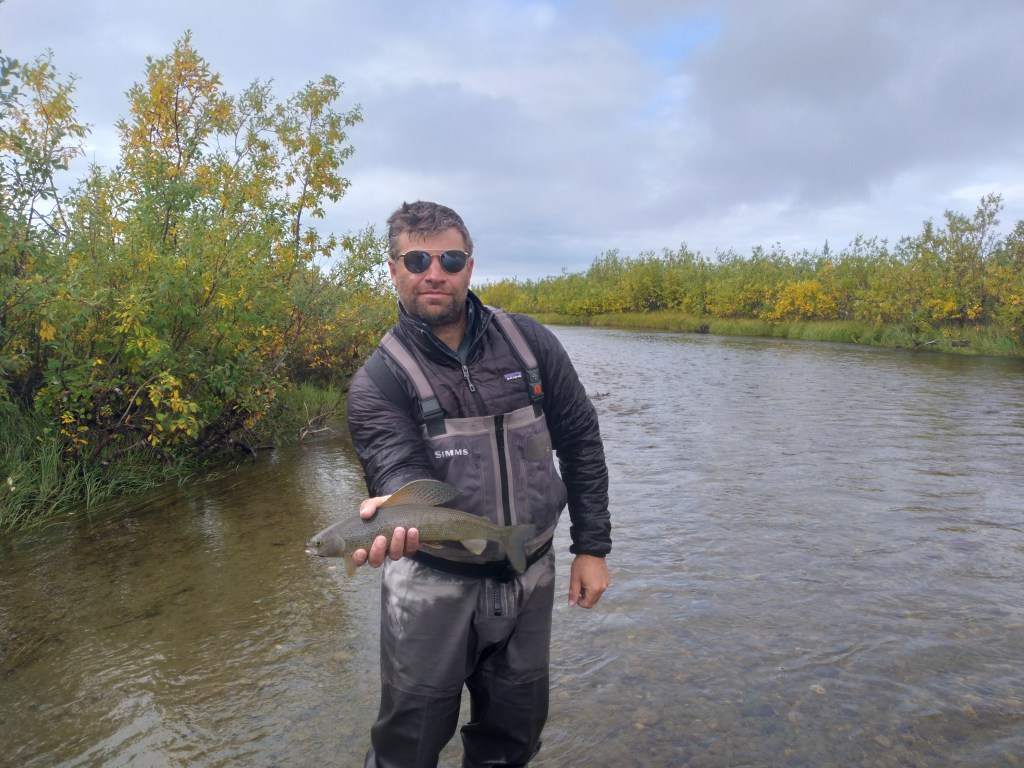
We explored upstream along freshwater tributaries to Krusenstern and Kotlik Lagoons (Situkuyok River and Killikmak Creek, respectively) to capture Arctic grayling for genetic fin clips. Grayling were present in the Situkuyok River and were observed to be traveling upstream to spawn. We caught several via angling methods and fin-clipped them. We also noted beaver activity along the river. No grayling were observed in Killikmak Creek, though we did catch some at Jade Creek, another tributary feeding Kotlik Lagoon.
August
Fish diversity and abundance and water chemistry were assessed at all the same lagoons and locations as during the June trip. Weather ranged from sun to wind and rain. Bugs were scarce and a headnet was not needed. Despite the trip extending to early September, there were no frosts at night. The Tukrok River (Krusenstern Lagoon outlet) was closed to the ocean, but Aukulak and Kotlik Lagoons were still connected. 36 additional fish were fin-clipped for genetics.
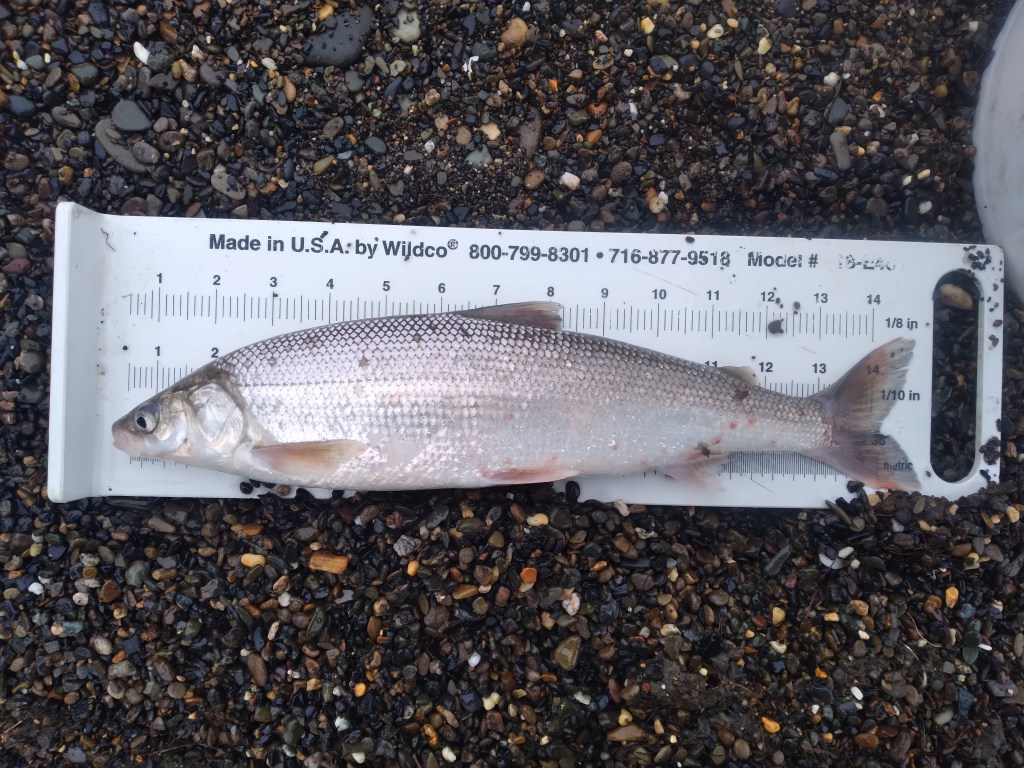
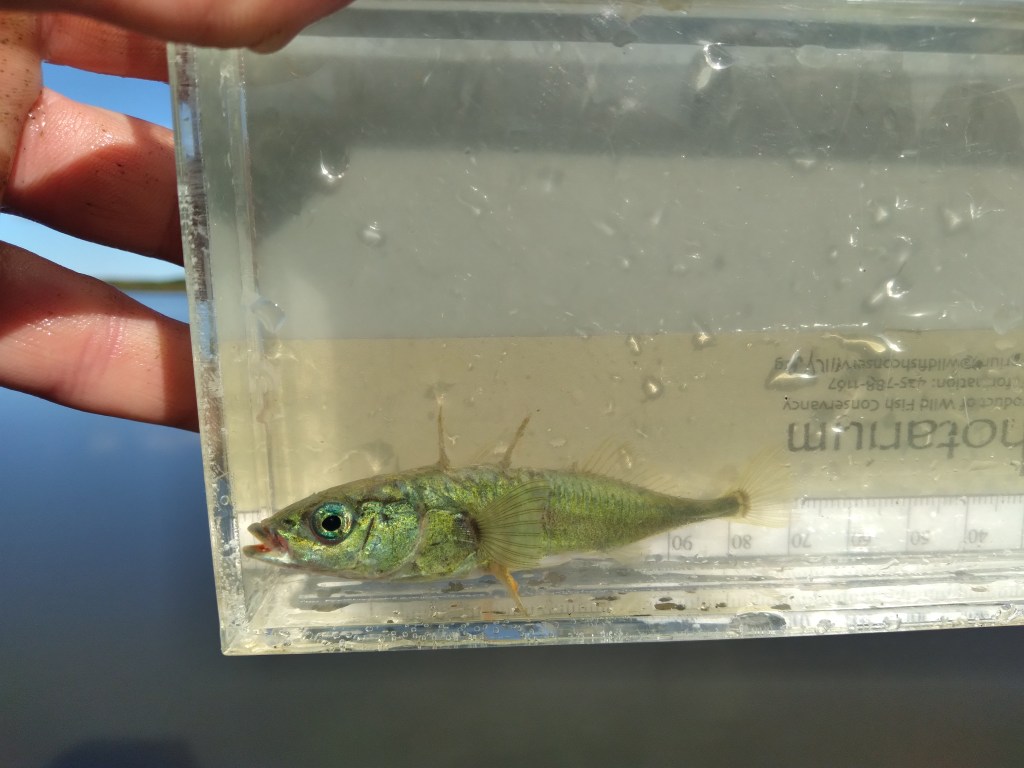
We planned to tag up to 5 sheefish with pop-up satellite archival tags (PSAT), but only one sheefish was caught that was large enough to support a tag (600 mm). This fish was caught in the Tukrok River at Anigaaq, and tag attachment and fish release was successful. If all goes well, the tag will pop up in July 2023 and transmit data on the movements of the sheefish as well as the water temps depth it traveled through.
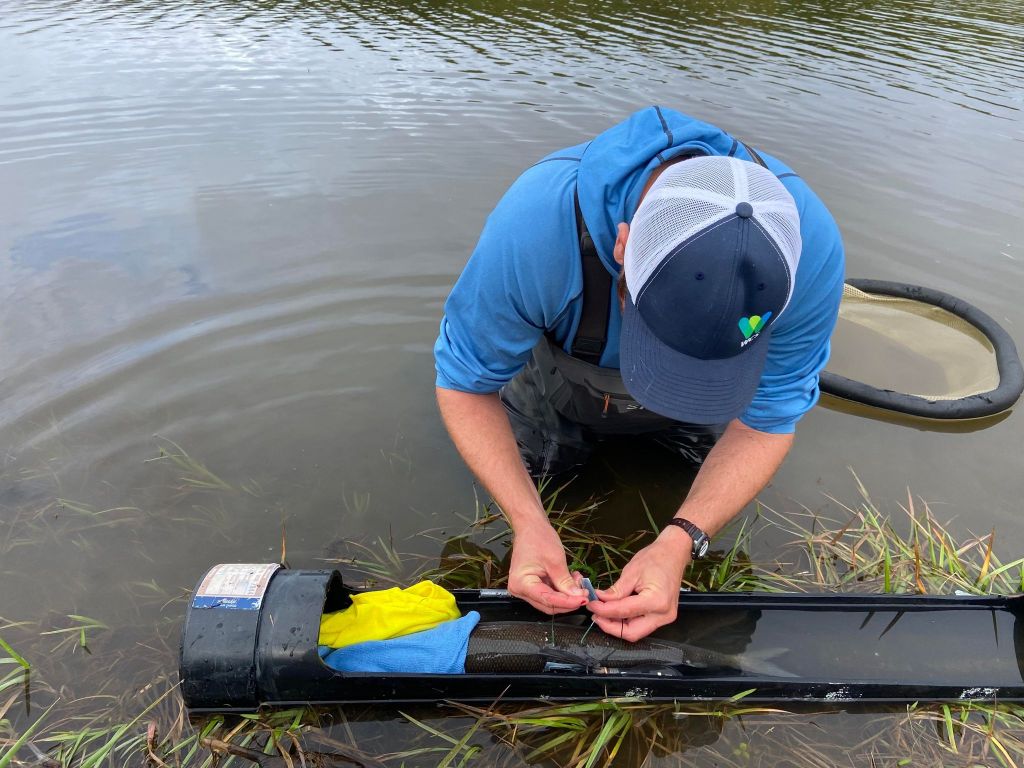
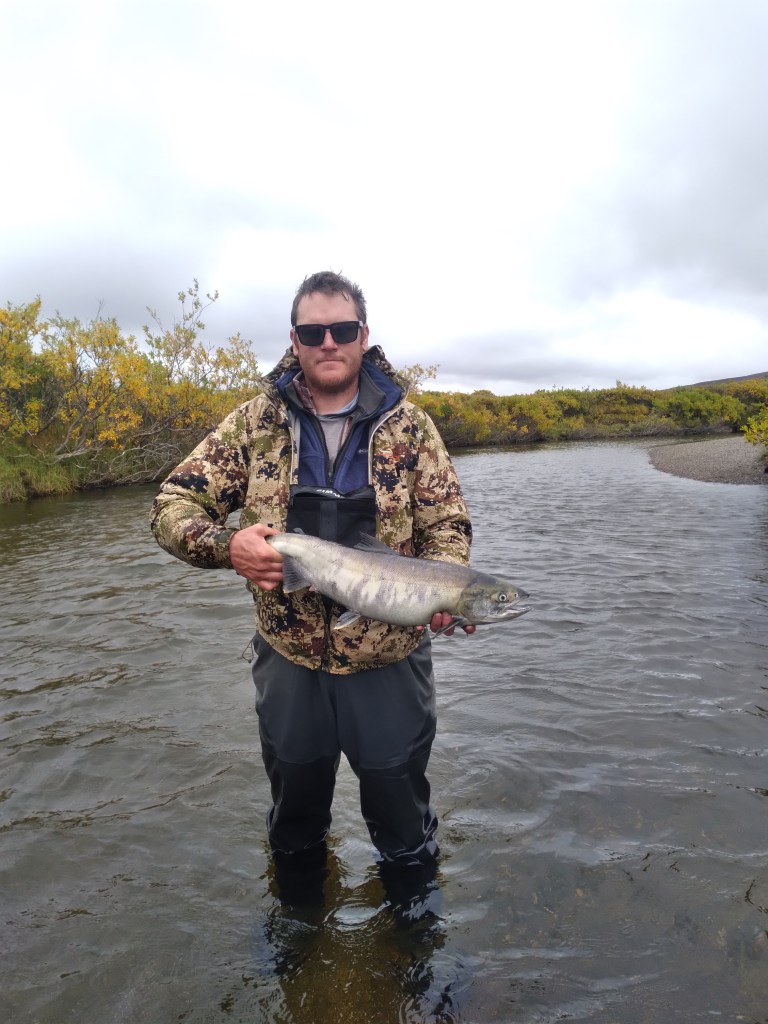
Similar to the June trip, we boated up Situkuyok River and Killikmak Creek to capture Arctic grayling for genetic fin clipping and other analyses. Grayling were present in the Situkuyok River and many were caught, as well as several spawning pink salmon. Again, no grayling were observed in Killikmak Creek, but Dolly Varden, pink, chum, and sockeye salmon were seen spawning. Several of these species are not recorded in the Alaska Department of Fish and Game’s Anadromous Waters Catalog, and we will nominate them for these creeks later in 2022.
 Arctic Beringia Fish Ecology