Lagoons Fish Otolith Microchemistry Labwork
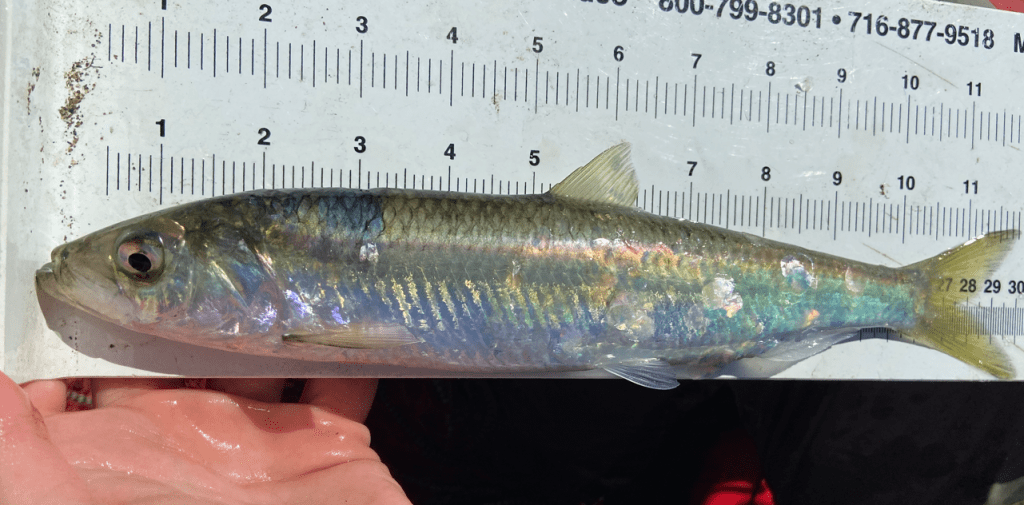
60+ otoliths (fish earbones) collected from Cape Krusenstern and Cape Thompson lagoons from 2015-2021 were prepped at the USFWS lab in Fairbanks, AK for aging and otolith microchemistry. Fish species included sheefish, humpback whitefish, broad whitefish, least cisco, and even a couple Pacific herring and Arctic grayling.
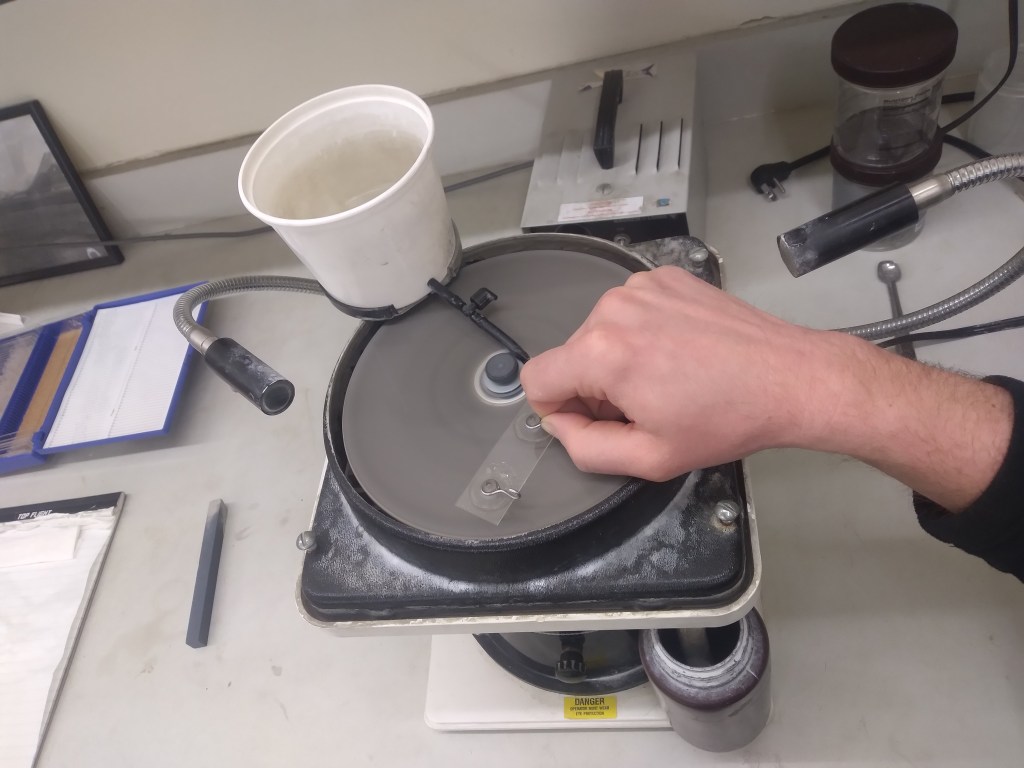
First, otoliths were mounted in resin on a slide and ground down on both sides to expose the “core.”
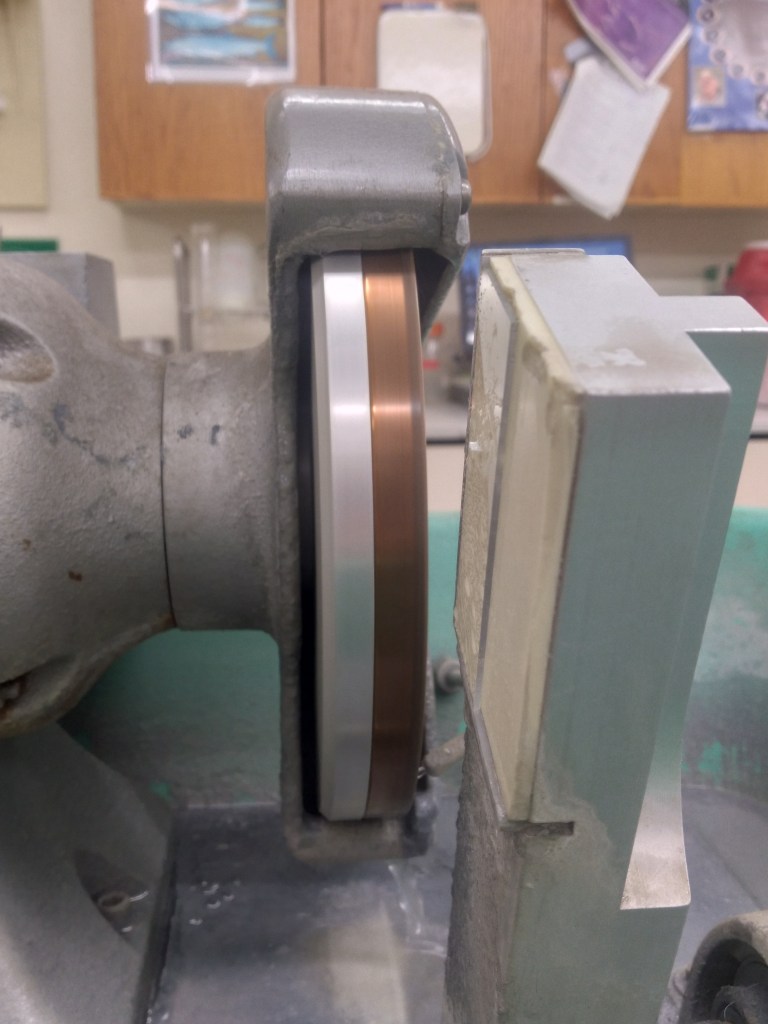
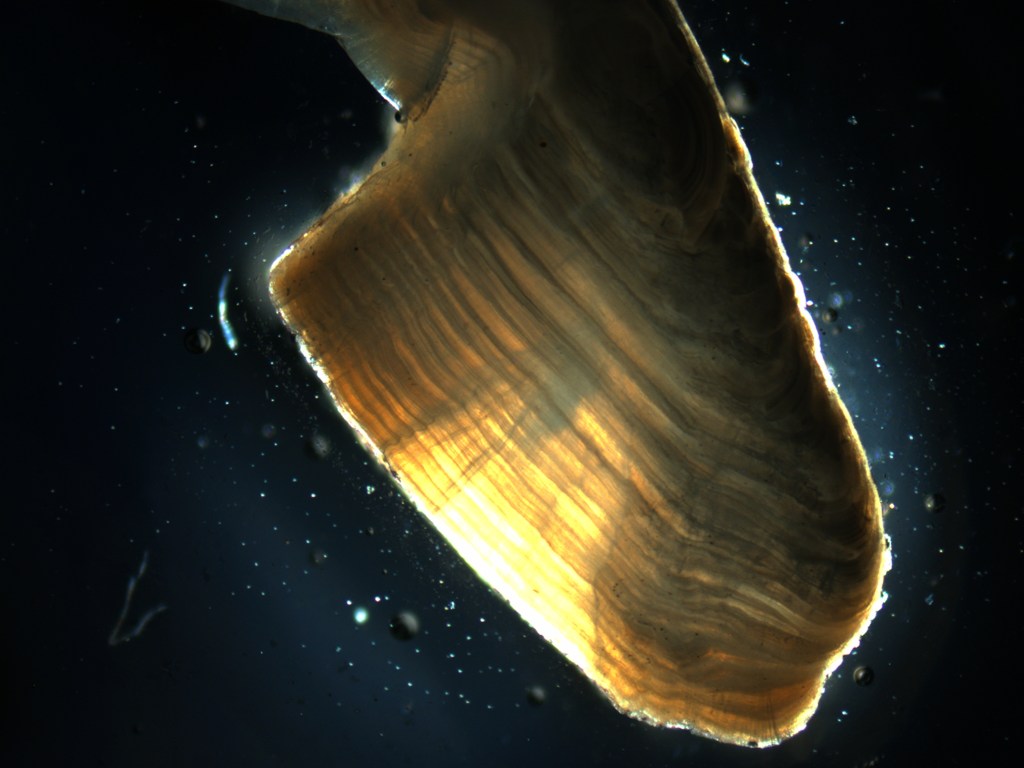
Next, otoliths were cut with a thin-sectioner to isolate the core and increase translucency to facilitate counting age rings (annuli)
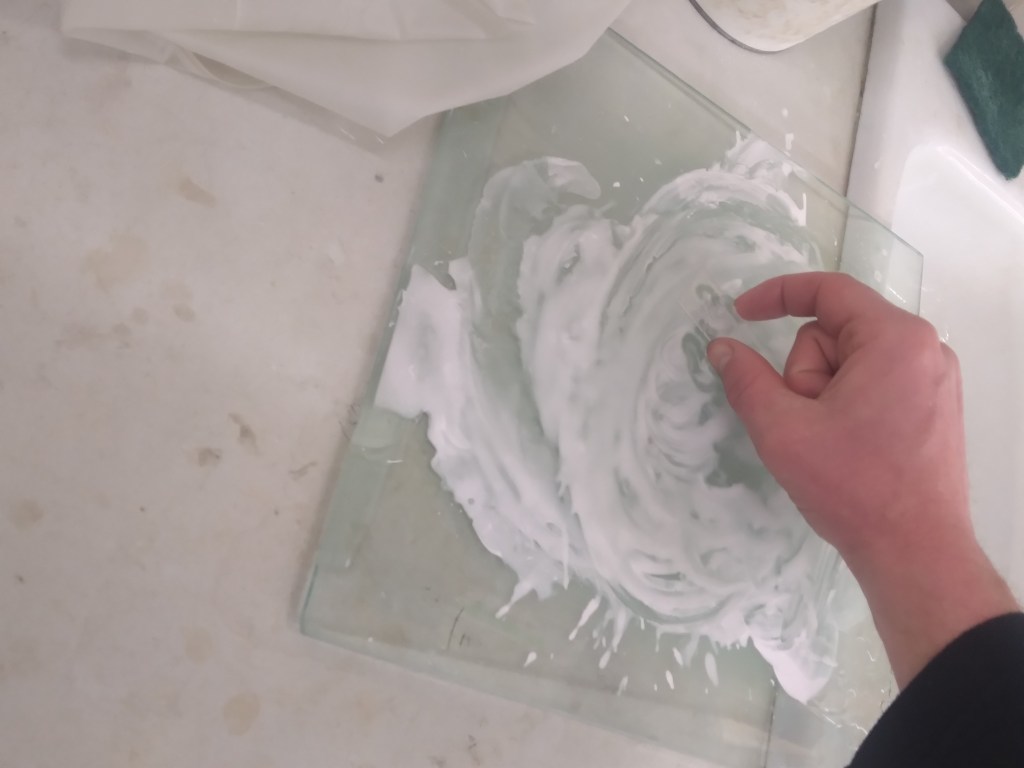
Then, they were polished with aluminum slurry to create a smooth, uniform surface
After this, they were arrayed on slides in preparation for laser ablation microchemistry.
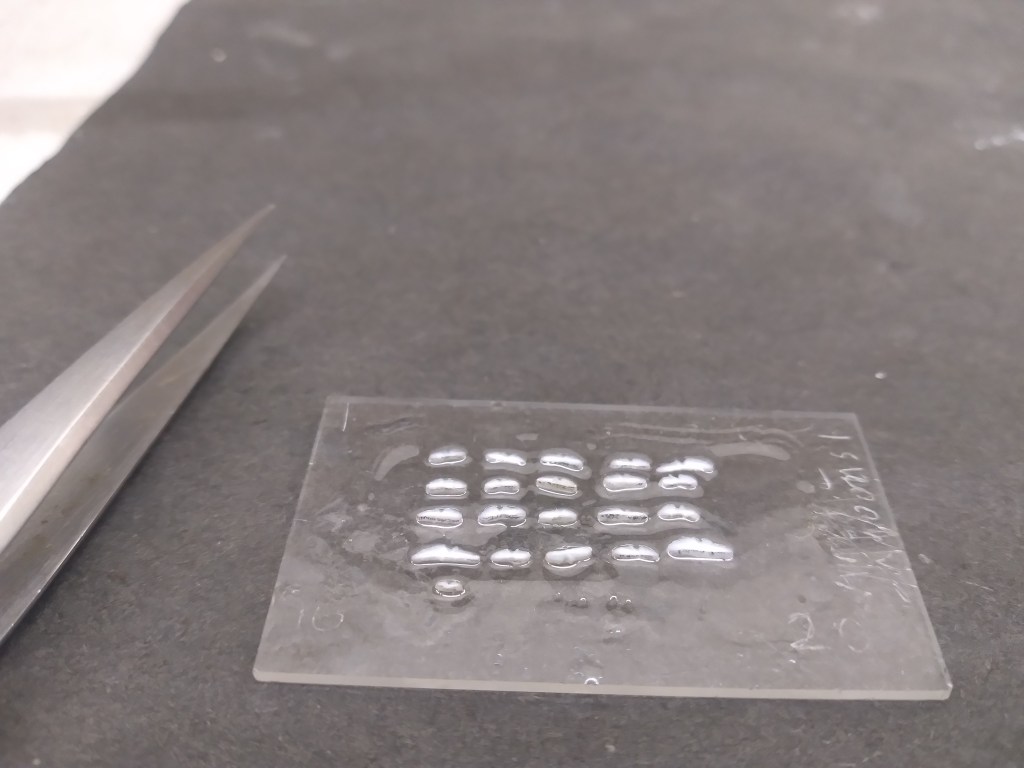
This microchemistry technique will quantify ratios of strontium isotopes laid down in the otolith material, which will allow us to tell if a fish moved between fresh, salt, and brackish water types. With this information, we can piece together the chronology of a fish’s movements throughout its lifetime
 Arctic Beringia Fish Ecology