2021 Lagoons Field Season
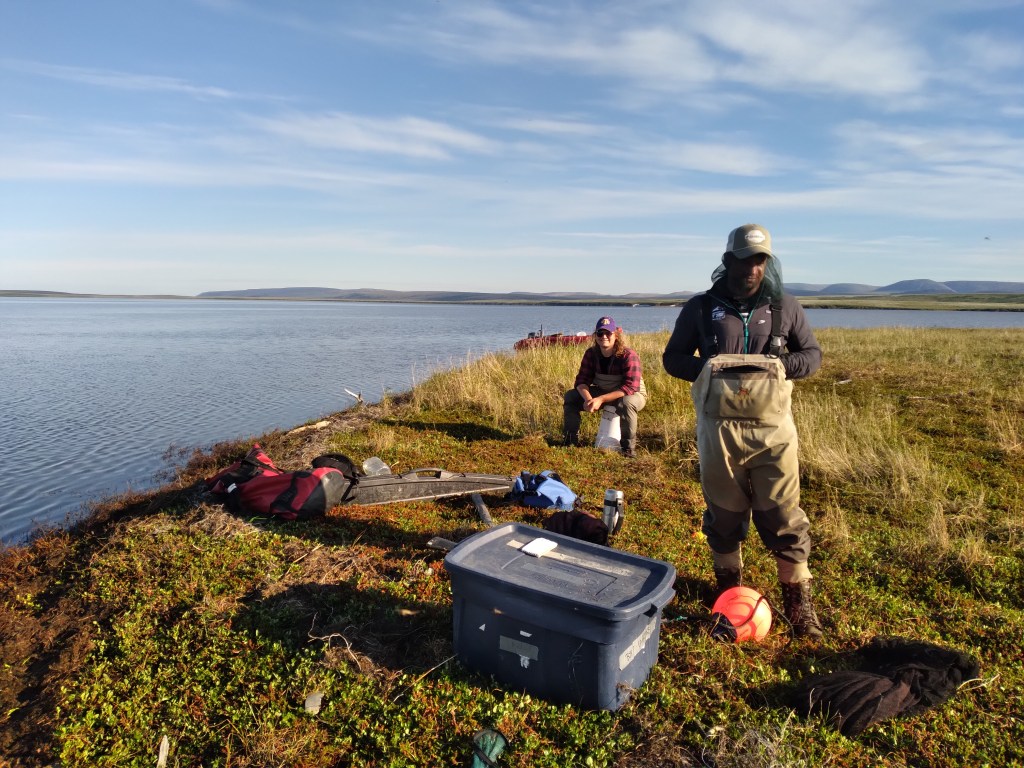
A three-person WCS field crew visited Krusenstern, Aukulak, and Kotlik Lagoons in Cape Krusenstern National Monument for fisheries monitoring and research activities in June and August 2021. Additionally, a 2-man crew visited Atosik, Mapsorak, and Singoalik Lagoons in Alaska Maritime National Wildlife Refuge in July to conduct similar activities.
June (Cape Krusenstern)
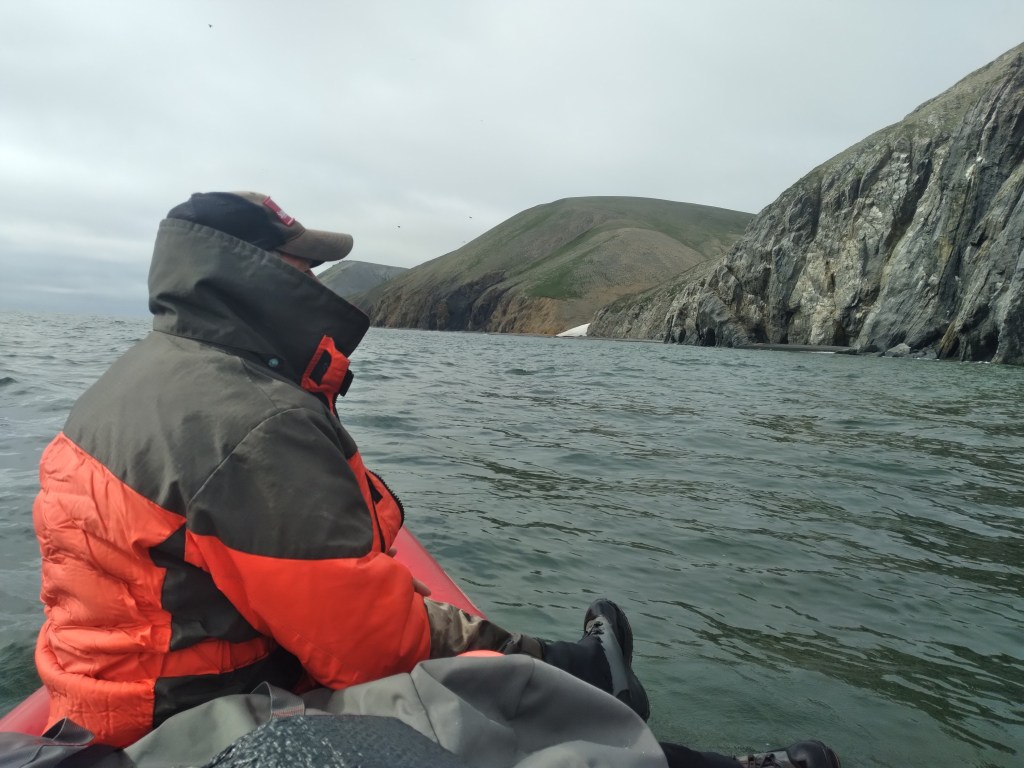
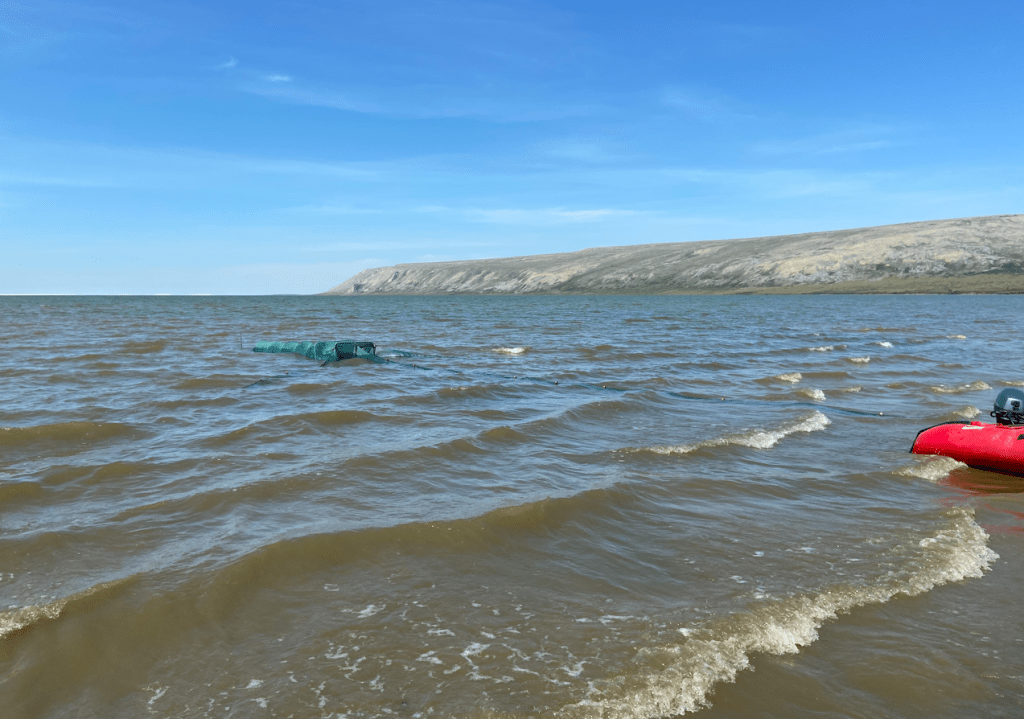
During our June trip, Krusenstern and Kotlik Lagoons were open to the ocean, but Aukulak Lagoon was closed. Weather was sunny and very little ice and snow remained in the ocean and onshore. Insects were annoying enough to require headnets on calm days. Lagoons were accessed via inflatable zodiac with a 9.9 horsepower motor. Boating along the Chukchi Sea coast and through river channels was required to access the three lagoons.
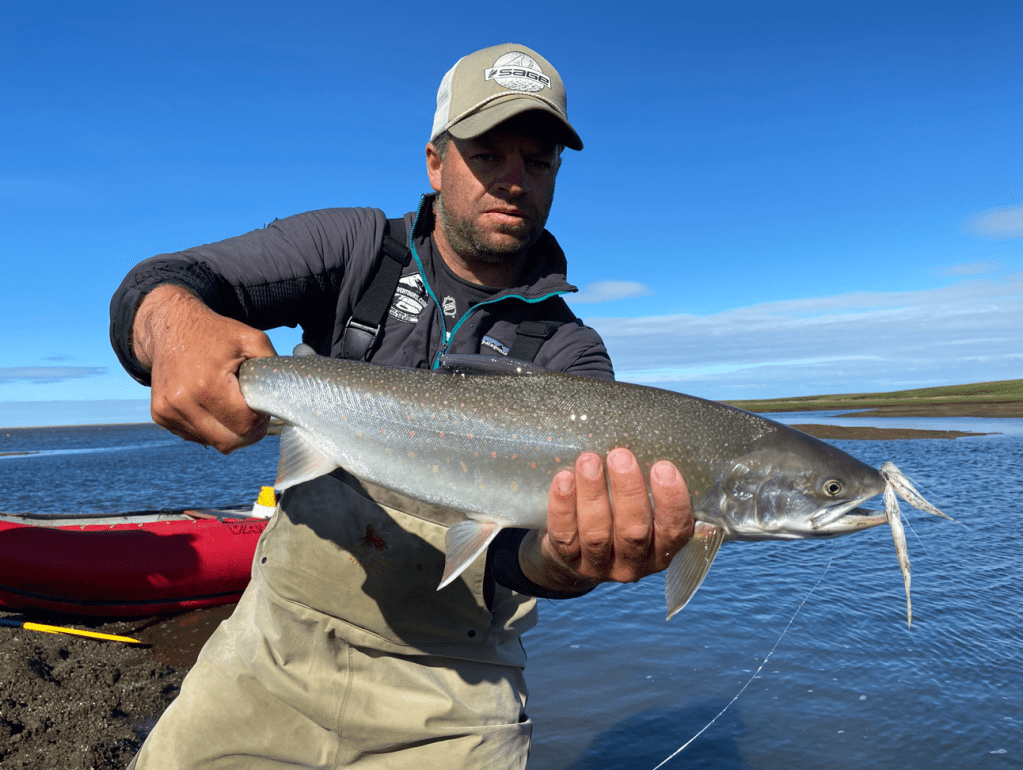
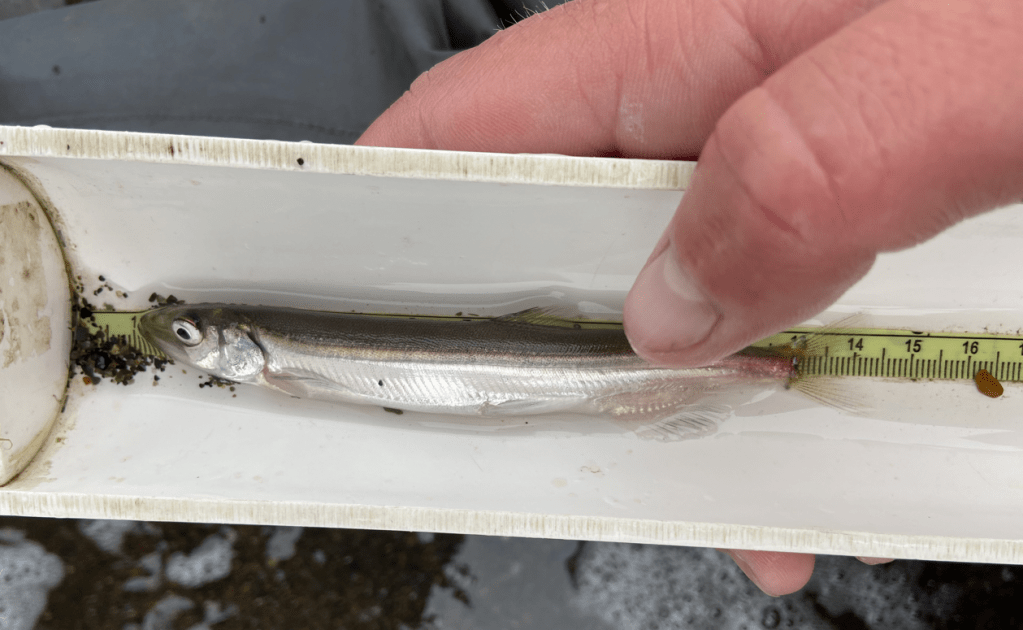
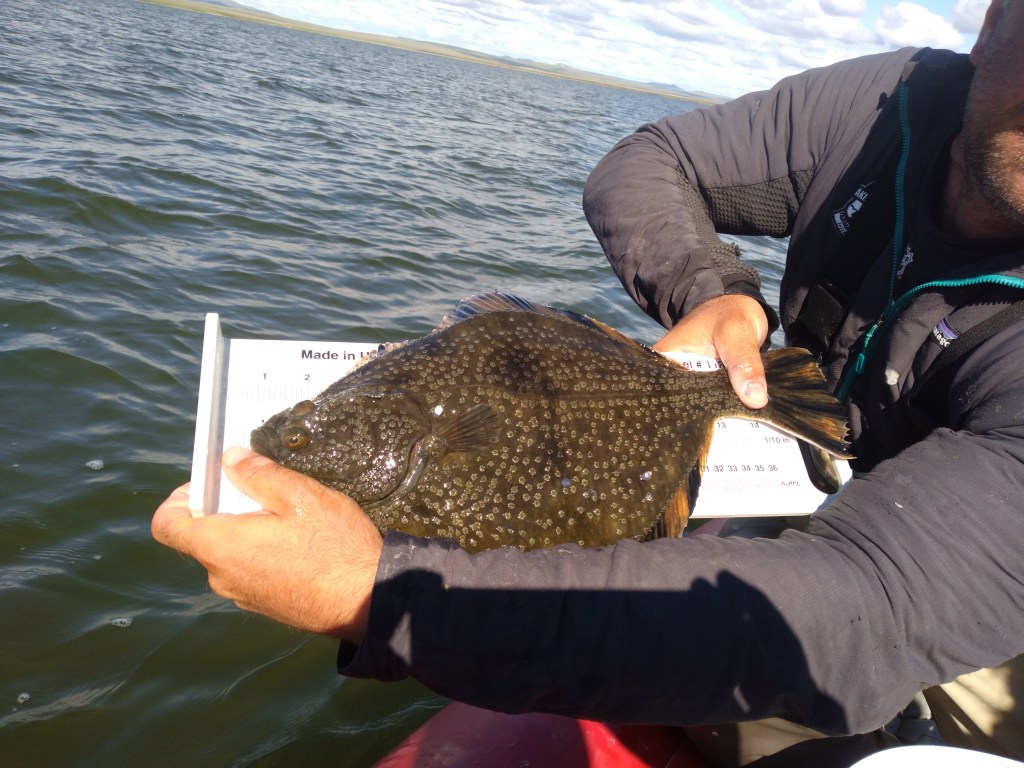
Through our fyke netting, angling, beach seining, and tangle netting efforts we found that humpback whitefish, least cisco, stickleback, and pond smelt were abundant at all sites in Kotlik and Krusenstern Lagoons. Sheefish were also caught in both lagoons. Saffron cod and starry flounder were seen in high numbers in Kotlik Lagoon. Additionally, a large aggregation of Dolly Varden were found at the Jade Creek inlet to Kotlik Lagoon. Several broad whitefish were captured in Krusenstern Lagoon, this species is not common in these lagoons based on historical data. Arctic grayling were captured at lagoon inlet areas of Kotlik and Krusenstern Lagoons. Aukulak Lagoon was devoid of fish because it had winterkilled and lacked a connection to the ocean.
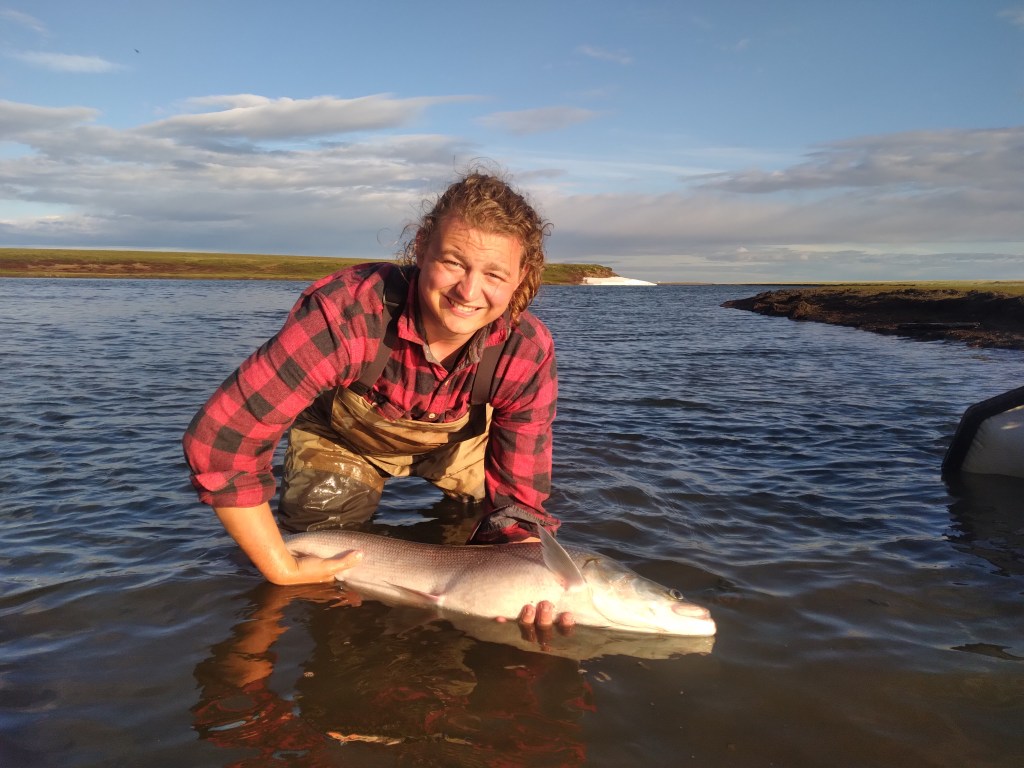
Several sheefish, least cisco, humpback whitefish, Dolly Varden, and saffron cod were retained to be analyzed for mercury and PFAS contamination. Fin clips from whitefish species were taken for genetic analyses to be performed at the University of Alaska Museum of the North.
Read detailed findings from this fieldwork in the report at the link here
July (Cape Thompson)
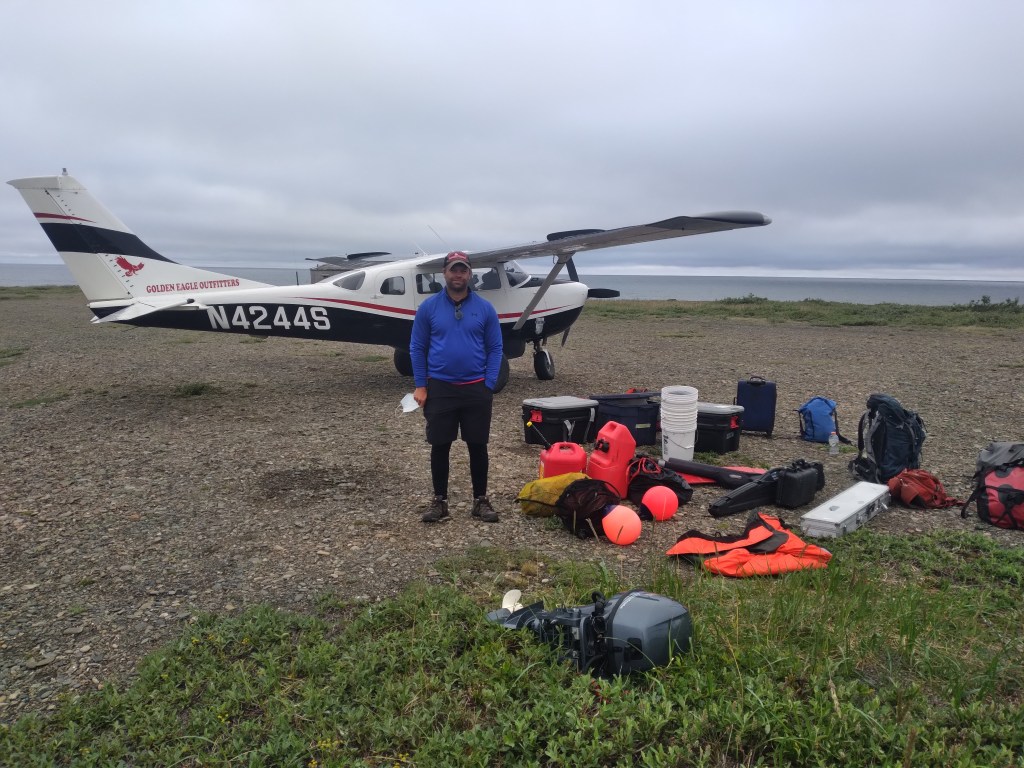
We flew to the landing strip at the former Project Chariot nuclear harbor site near Cape Thompson, Alaska and boated south down the coast to assess several lagoons for water quality, fish diversity and abundance, and bird diversity and abundance. These lagoons (and two others north of Cape Thompson) had previously been sampled by WCS in 2018. Weather was rainy and several days were windy and rainy enough to require staying in the tent. Mosquitos were very bad when on shore and required headnets.
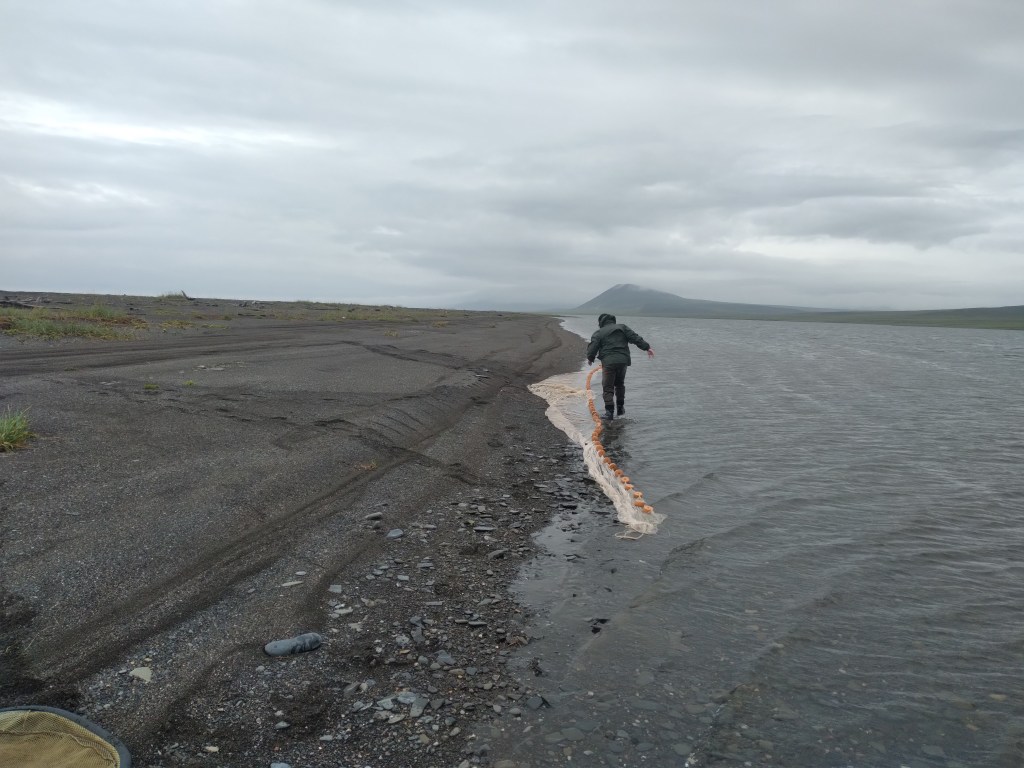
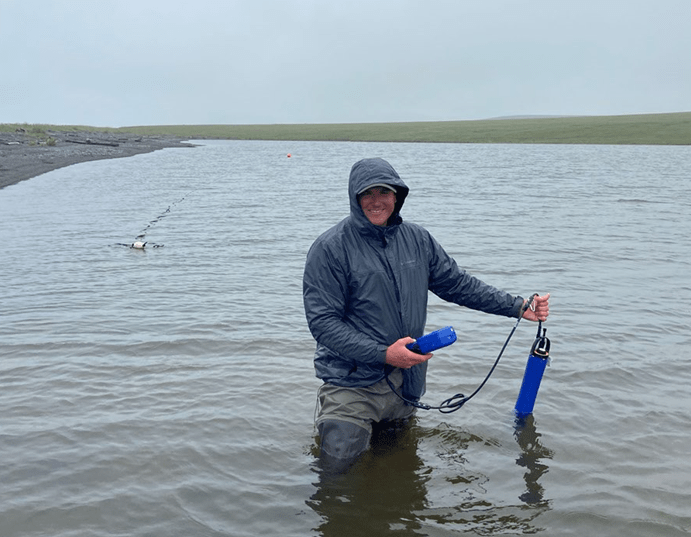
We deployed tangle nets and beach seines at three locations at each lagoon and also conducted water quality measurements. Atosik and Mapsorak lagoons were closed to the ocean and likely had not been breached for several years (confirmed by Sentinel-2 satellite imagery from 2016-2021). Because of this, they did not contain any fish. However, we did catch tadpole shrimp (Triopsidae sp.) in beach seine hauls.
Singoalik Lagoon was connected to the ocean and to the Singoalik River. Ninespine stickleback, starry flounder, humpback whitefish, and capelin were found in this lagoon at low abundances.
August (Cape Krusenstern)
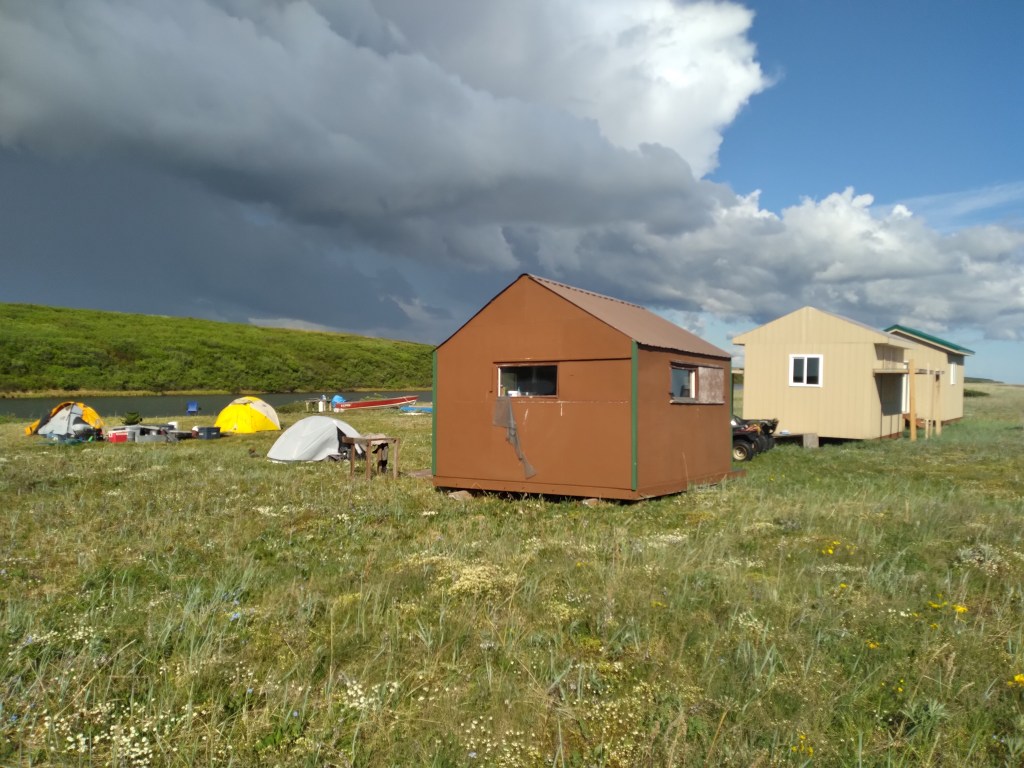
During our late August field trip, Krusenstern, Kotlik, and Aukulak Lagoons were all closed to the ocean. Mosquitos and biting flies were not abundant enough to need headnets unless the wind was completely calm. This trip was made difficult by rain, frost at night, and a susbstantial multi-day rainstorm that required a couple tent days. We conducted the same suite of fish and water chemistry sampling as in the June trip. Additionally, we collected fin clips from whitefish and conducted pilot Mysidae shrimp tows.
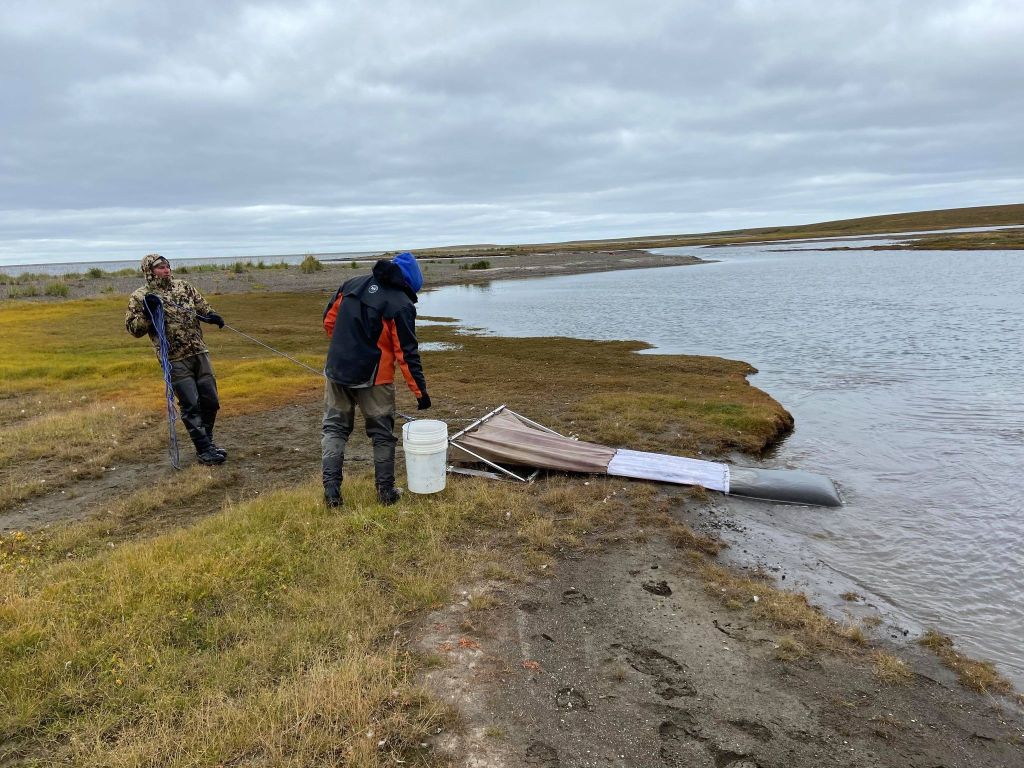
Because of a lack of marine connection, marine-oriented herring, starry flounder, and cod were less abundant in Krusenstern and Kotlik Lagoons than in June. Sheefish and broad whitefish were absent from the lagoon systems. Dolly Varden were not present at Kotlik lagoon in high numbers like they were in June. Least cisco, stickleback, and pond smelt remained abundant at Krusenstern and Kotlik. Mysidae shrimp were collected in high numbers at all sites in Kotlik and Krusenstern Lagoons. Aukulak Lagoon remained mostly fishless (except for a pond smelt and a few Alaska blackfish), and Mysidae were also absent. This highlights the importance of a marine connection to maintain lagoon fish and invertebrate diversity
To see detailed results from this fieldwork, review the report at the link here.
 Arctic Beringia Fish Ecology